My 2024 Year in Music

My 2024 Wrapped
What a year for music! In 2024, I scrobbled 8,997 tracks across 362 different artists and 612 albums. That’s roughly 525 hours of music - or about 21.9 days of non-stop listening. On average, the albums I listened to are 32 years old.
Pink Floyd earned the top spot with 207 plays (2.3% of your year).
Lets dive into the numbers and see what made 2024 special.
By the Numbers
Thats 21.9 days of music, or roughly 25 tracks per day. My peak listening month was August with 1,168 scrobbles.
Artist of the Year
Pink Floyd
With 207 plays (2.3% of my total listening), Pink Floyd dominated my 2024. They were my top artist in January.
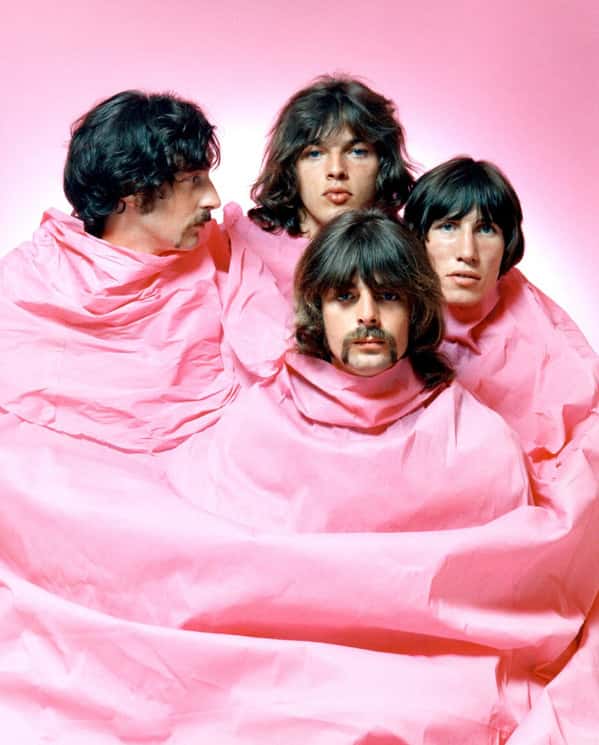
- View Pink Floyd on russ.fm
Album of the Year
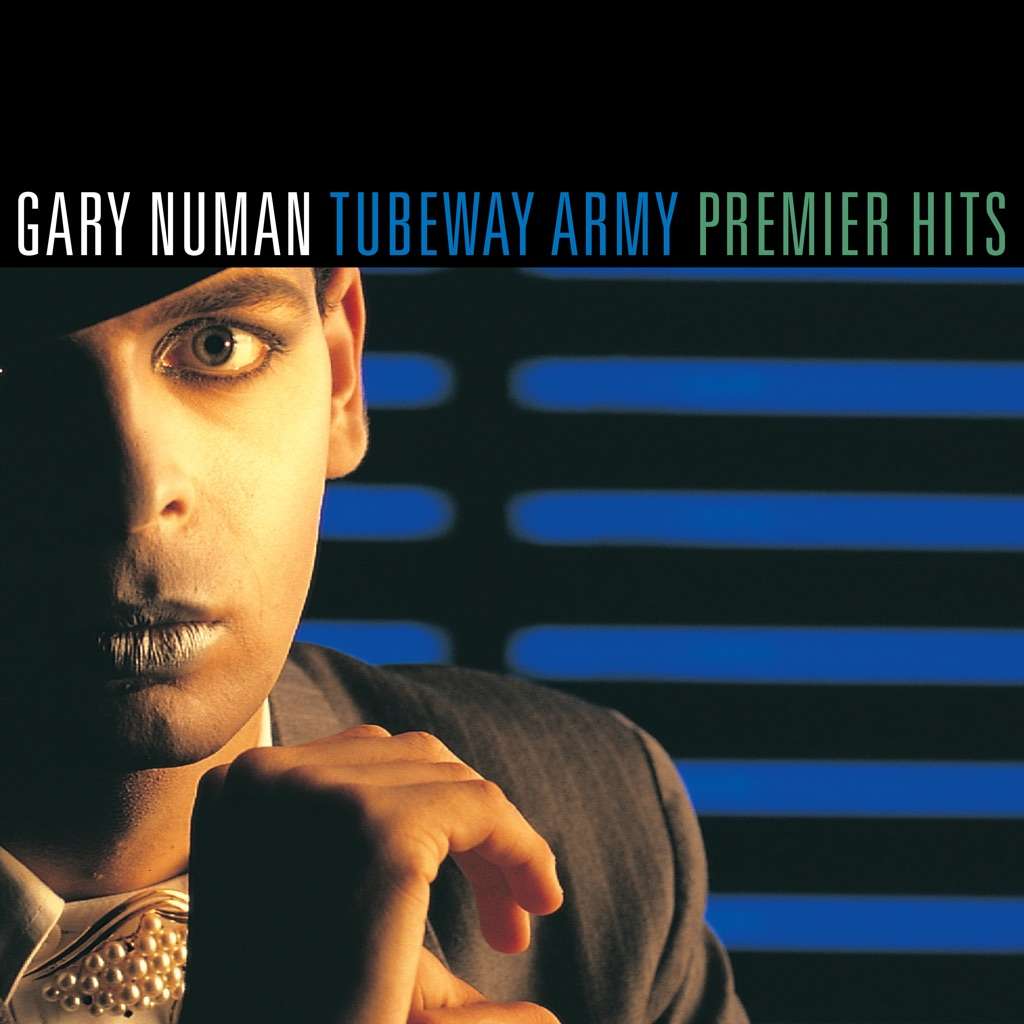
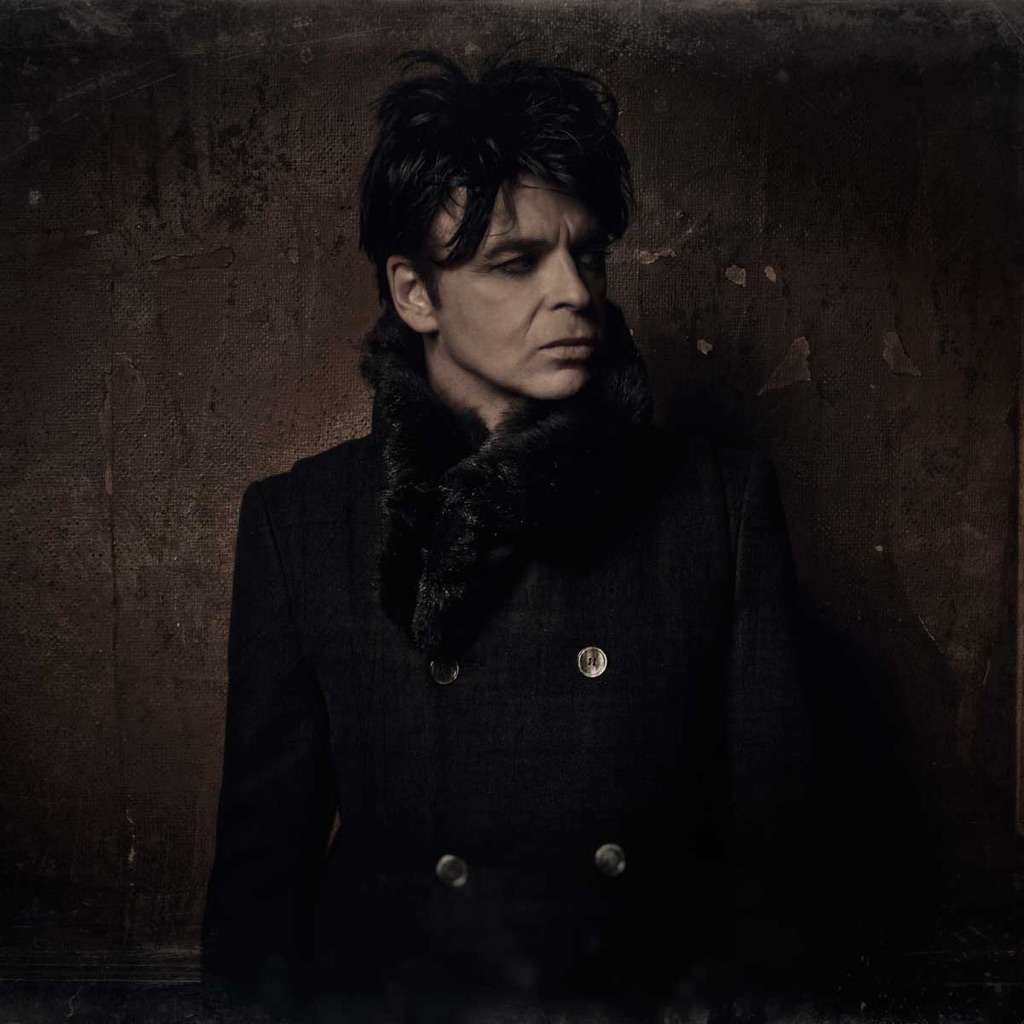
”Premier Hits” by Gary Numan
This album earned the top spot with 20 plays (0.2% of my listening). It was my most-played album in May, June.
Top 25 Artists
- 🥇 Pink Floyd — 207 plays
- 🥈 Genesis — 175 plays
- 🥉 Peter Gabriel — 159 plays
- 4. U2 — 148 plays
- 5. The Smashing Pumpkins — 137 plays
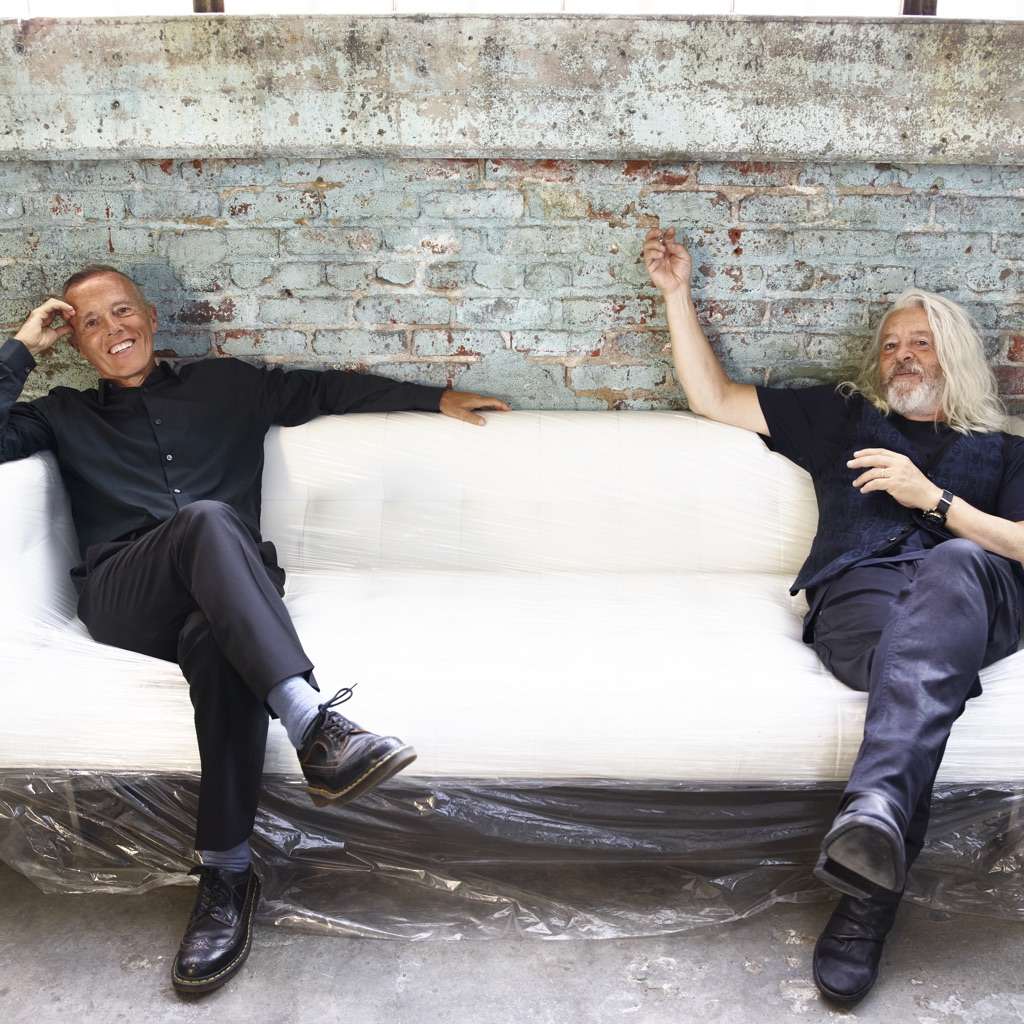
- 6. Tears for Fears — 133 plays
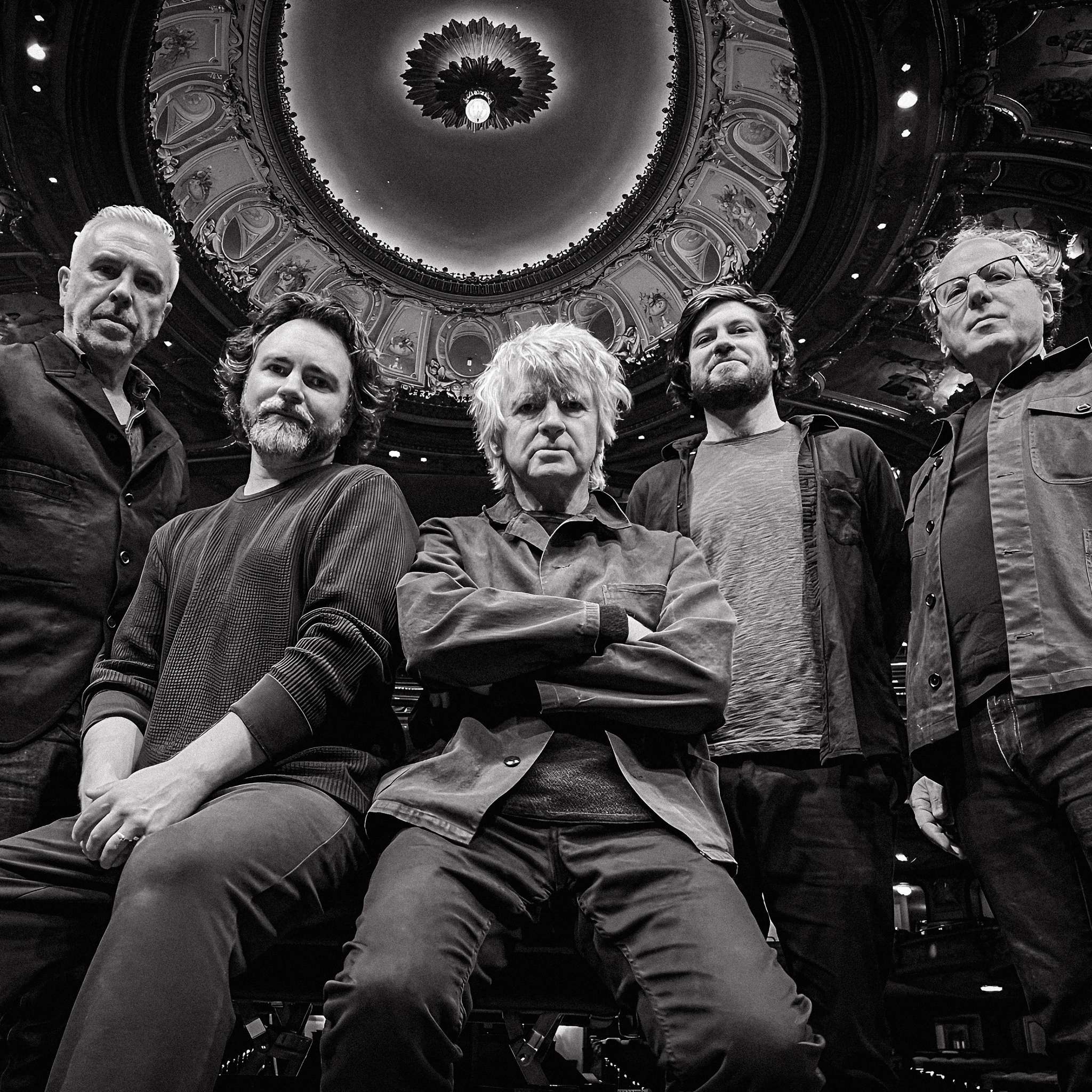
- 7. Crowded House — 133 plays
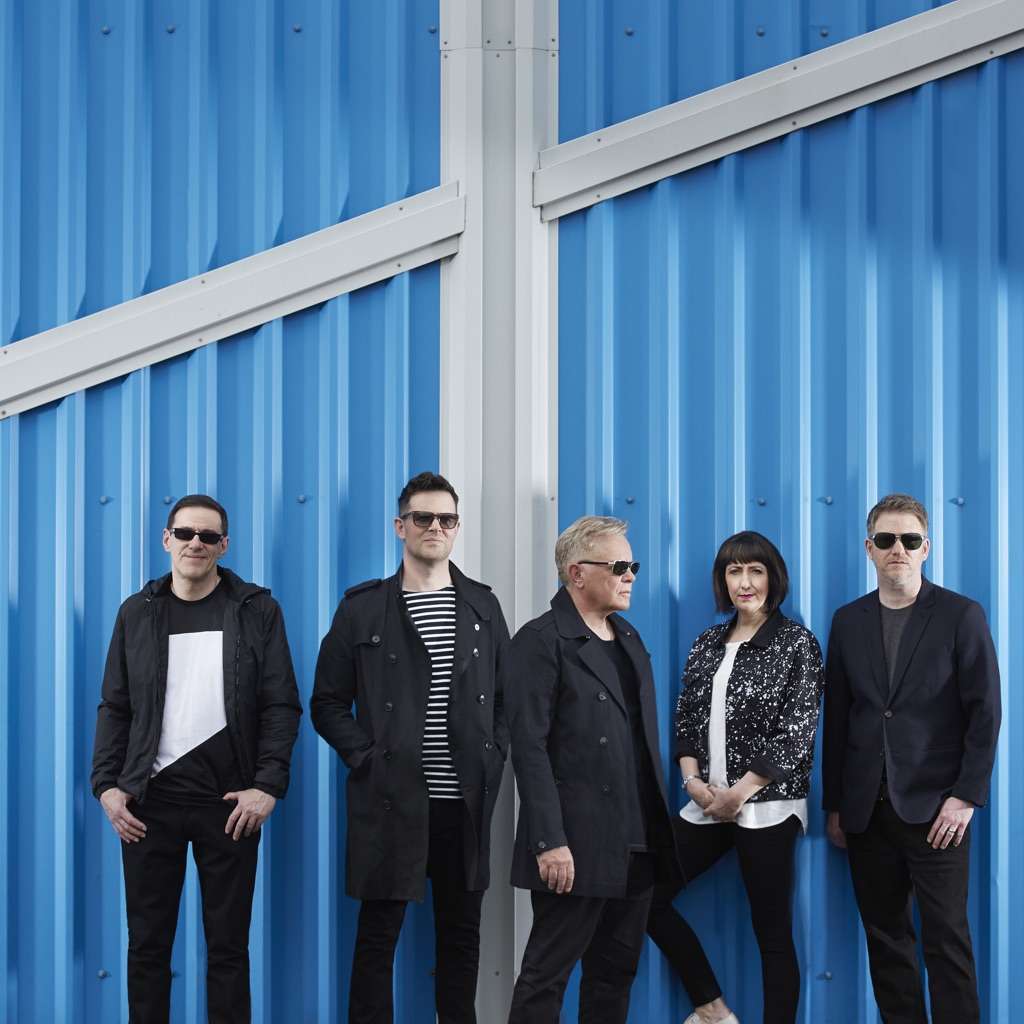
- 8. New Order — 119 plays
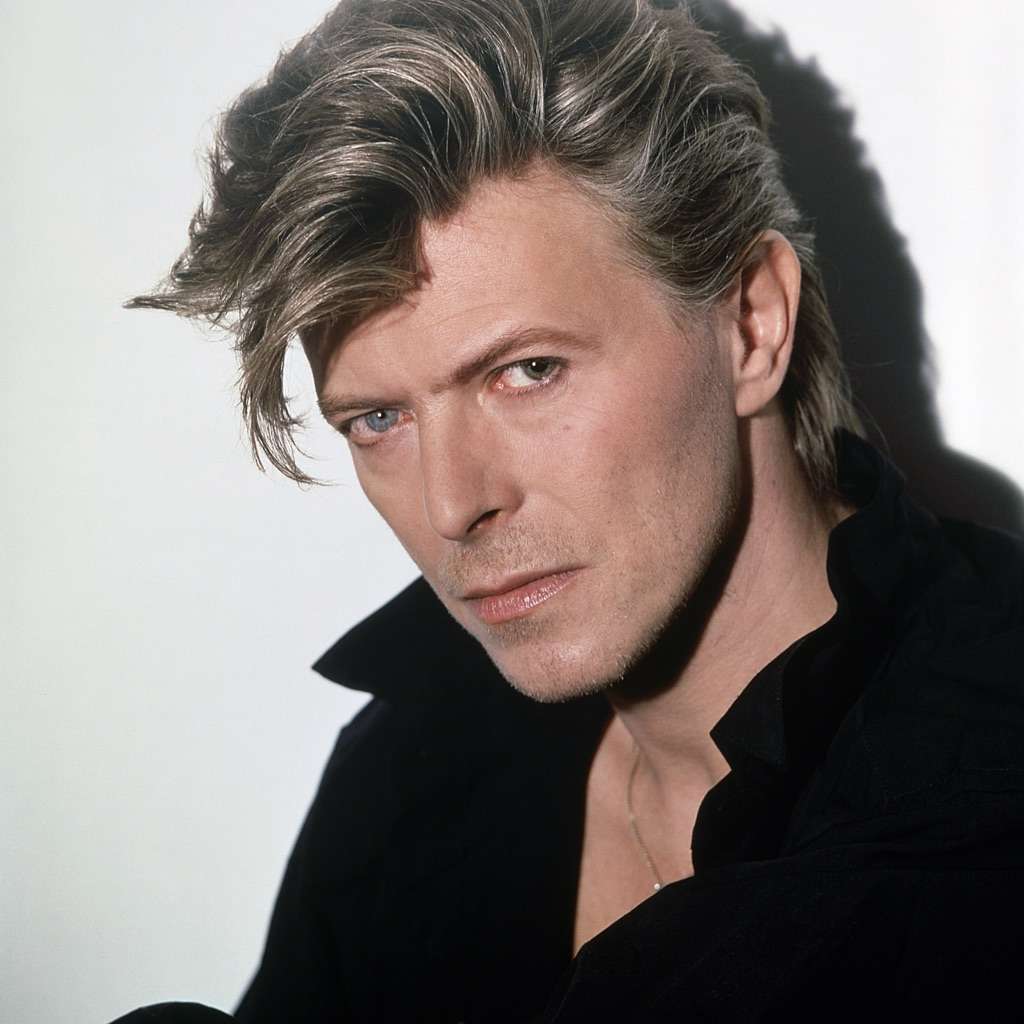
- 9. David Bowie — 119 plays
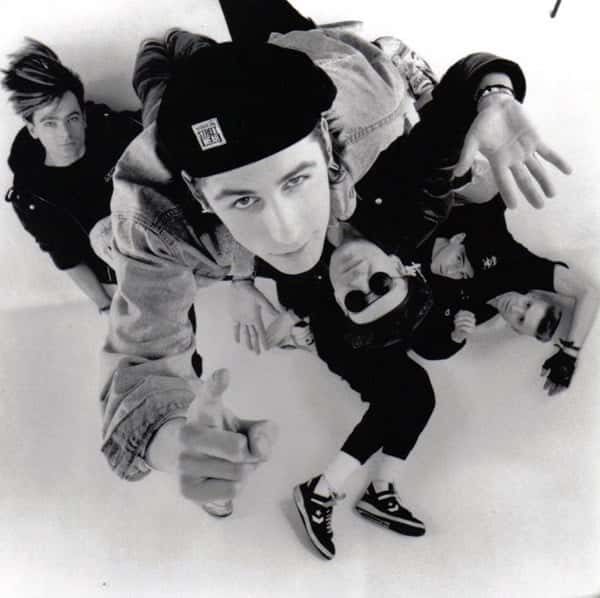
- 10. Jesus Jones — 116 plays
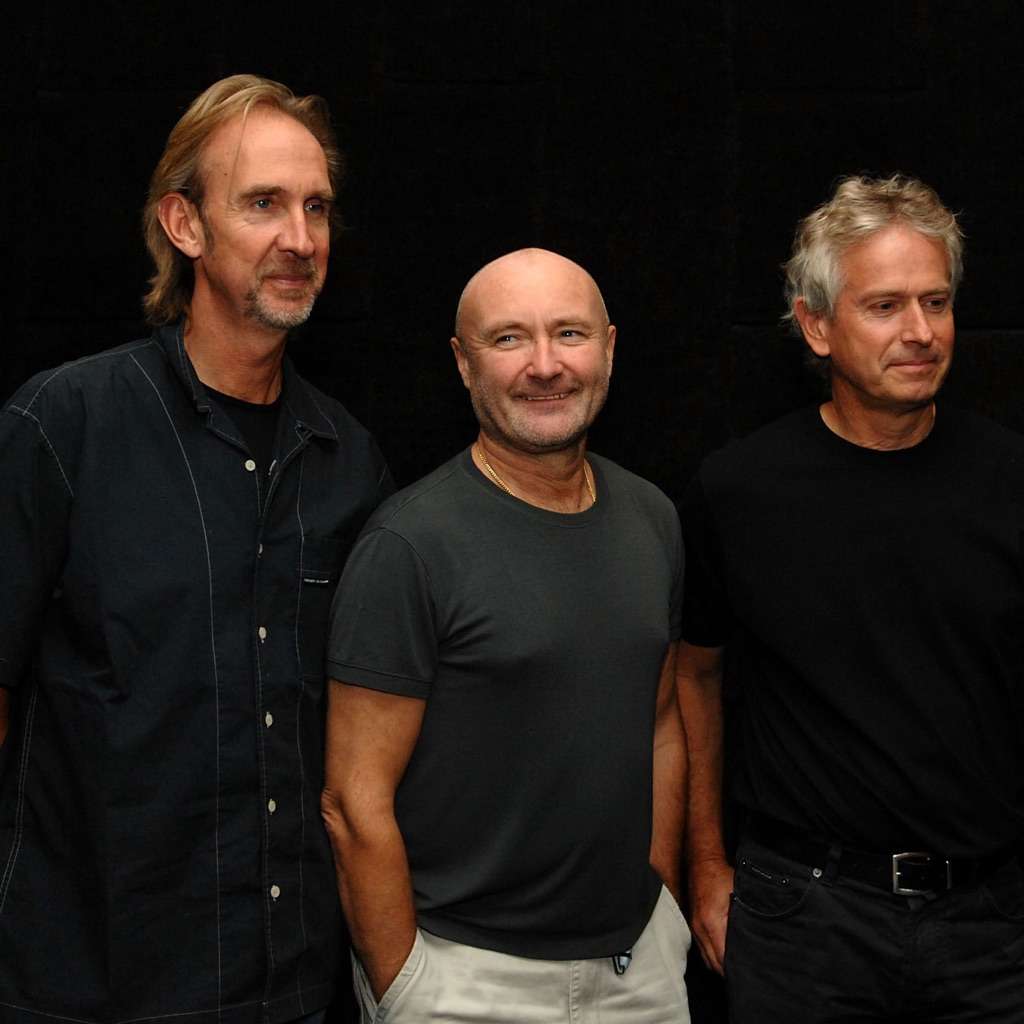
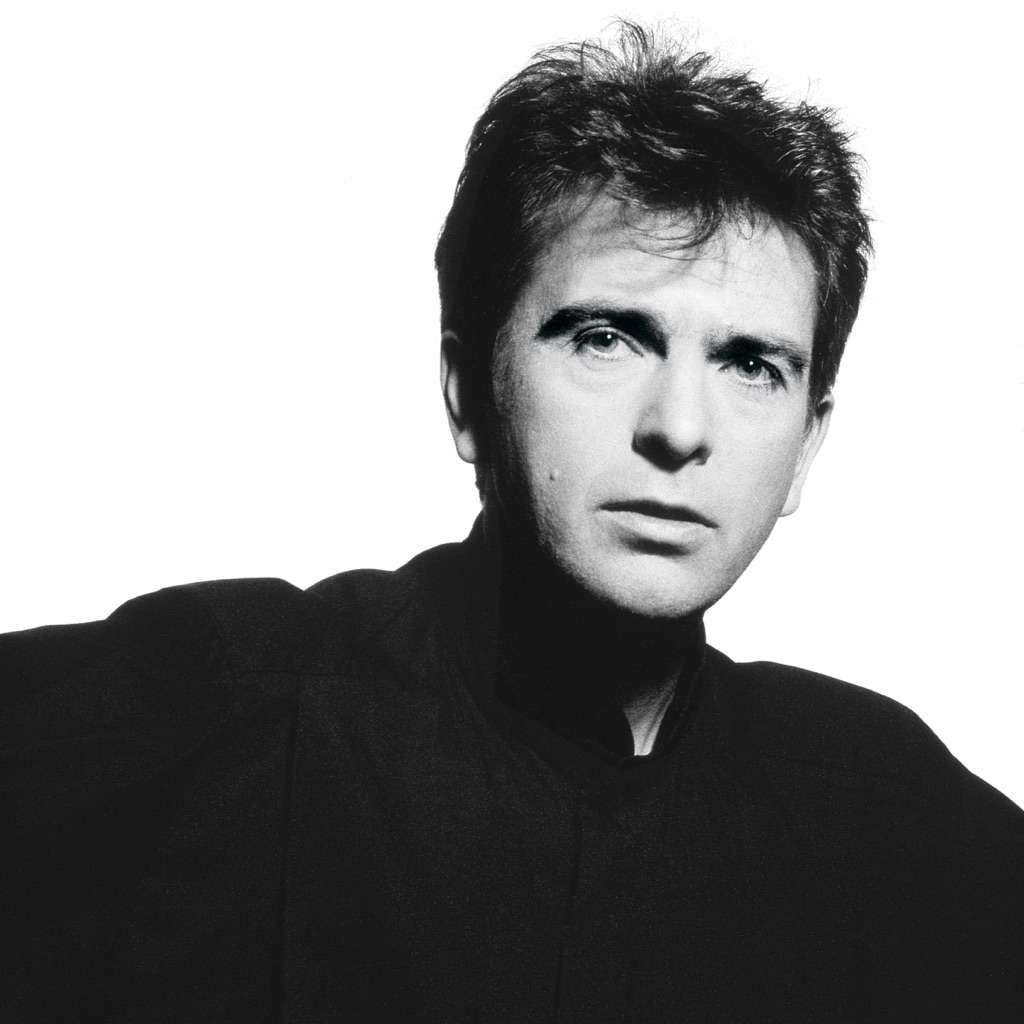
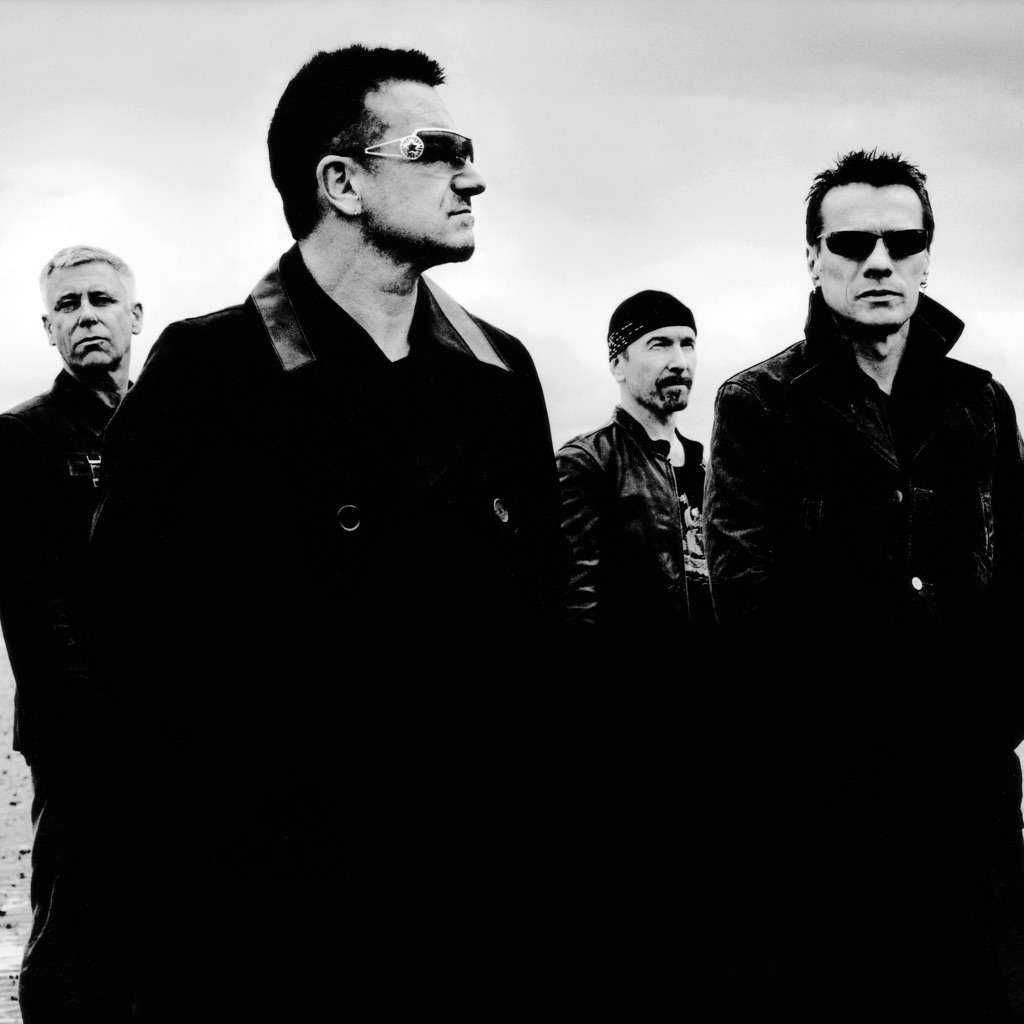
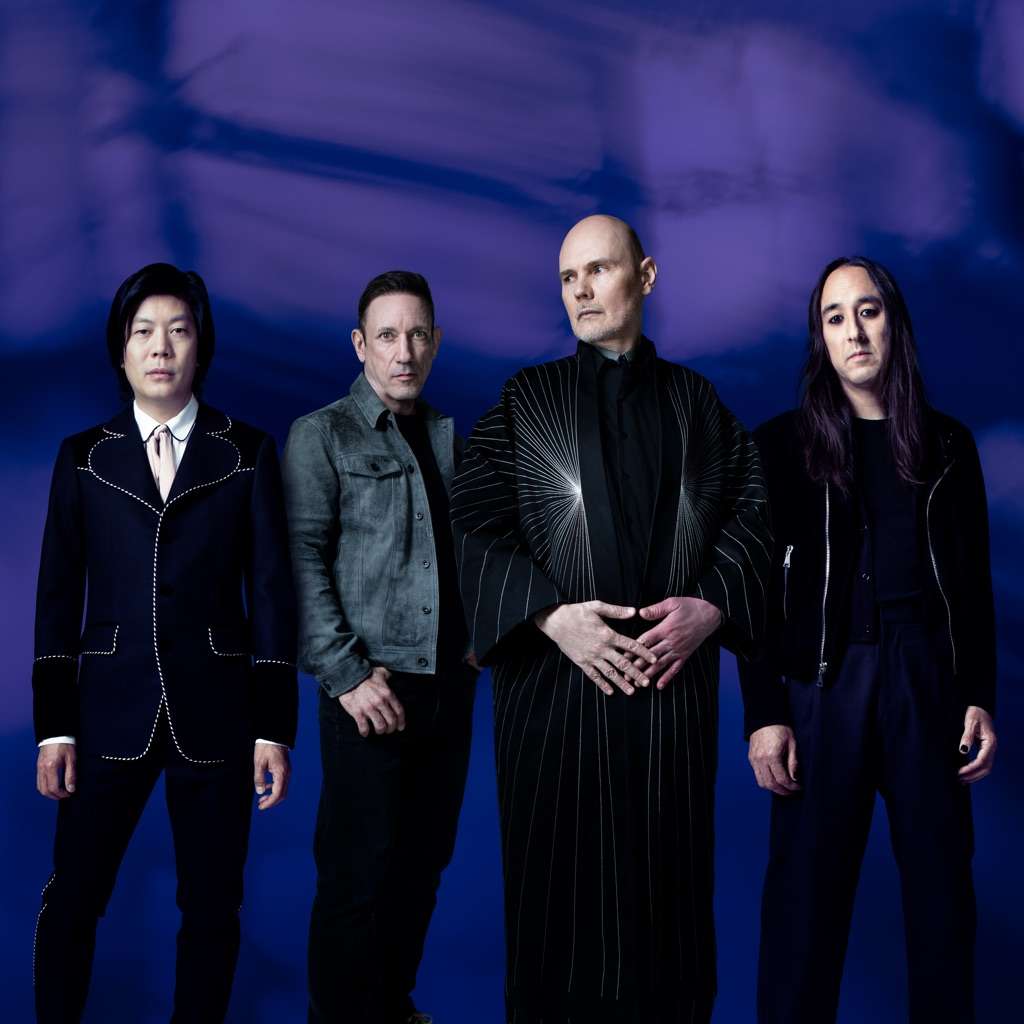
View artists 11-25
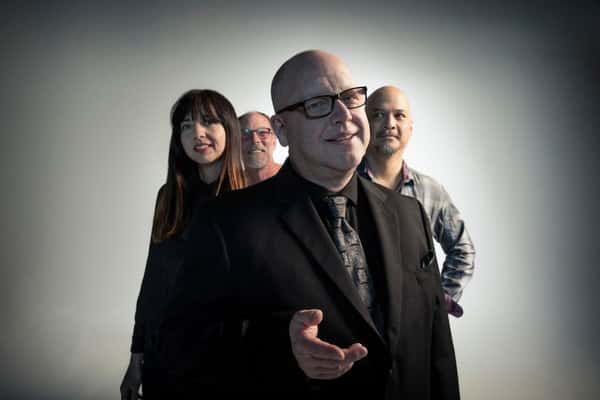
- 11. Pixies — 114 plays
- 12. Pure Reason Revolution — 109 plays
- 13. Nine Inch Nails — 108 plays
- 14. Radiohead — 105 plays
- 15. Steven Wilson — 103 plays
- 16. Split Enz — 93 plays
- 17. Amplifier — 92 plays
- 18. Faith No More — 91 plays
- 19. INXS — 91 plays
- 20. Oceansize — 86 plays
- 21. Bruce Springsteen — 85 plays
- 22. Kate Bush — 85 plays
- 23. Tom Petty and The Heartbreakers — 85 plays
- 24. Manic Street Preachers — 79 plays
- 25. Stars — 76 plays
Top 50 Albums
- 🥇 Premier Hits by Gary Numan — 20 plays
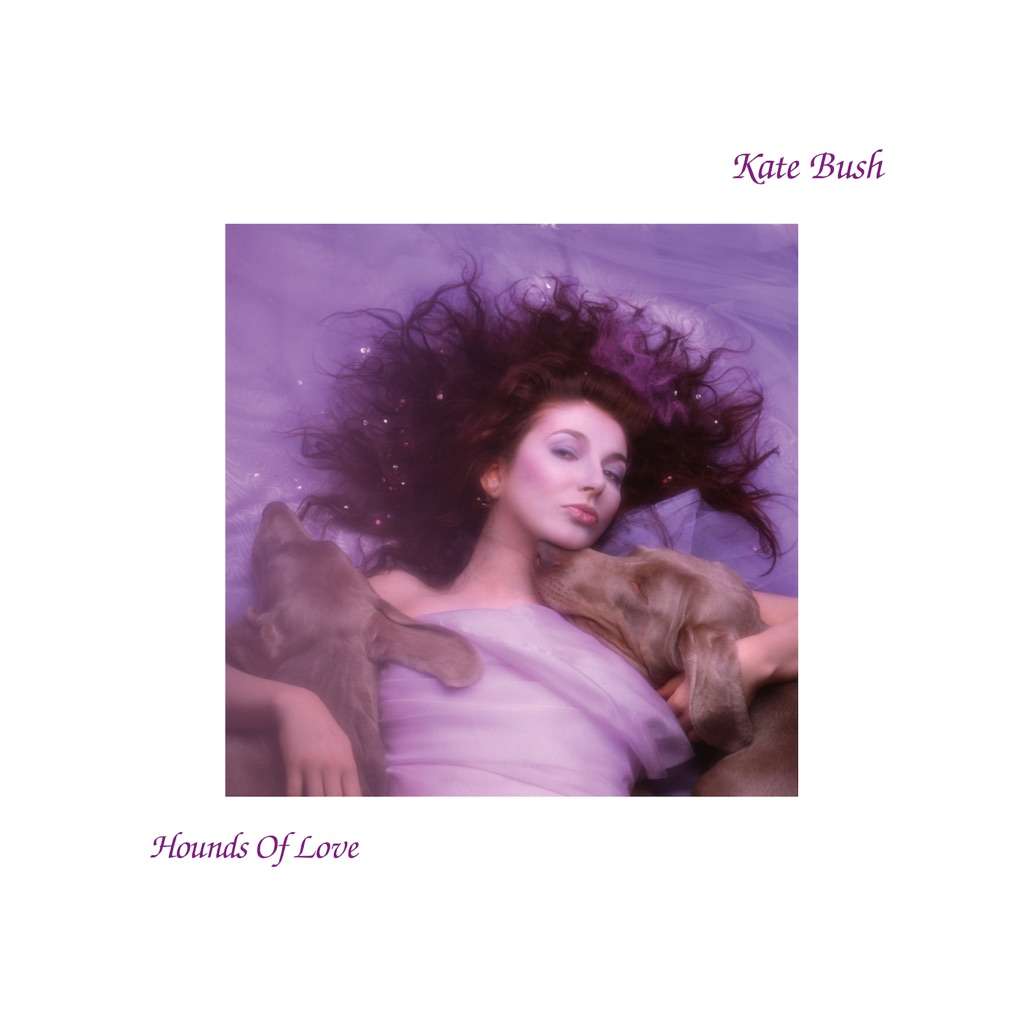
- 🥈 Hounds of Love by Kate Bush — 11 plays
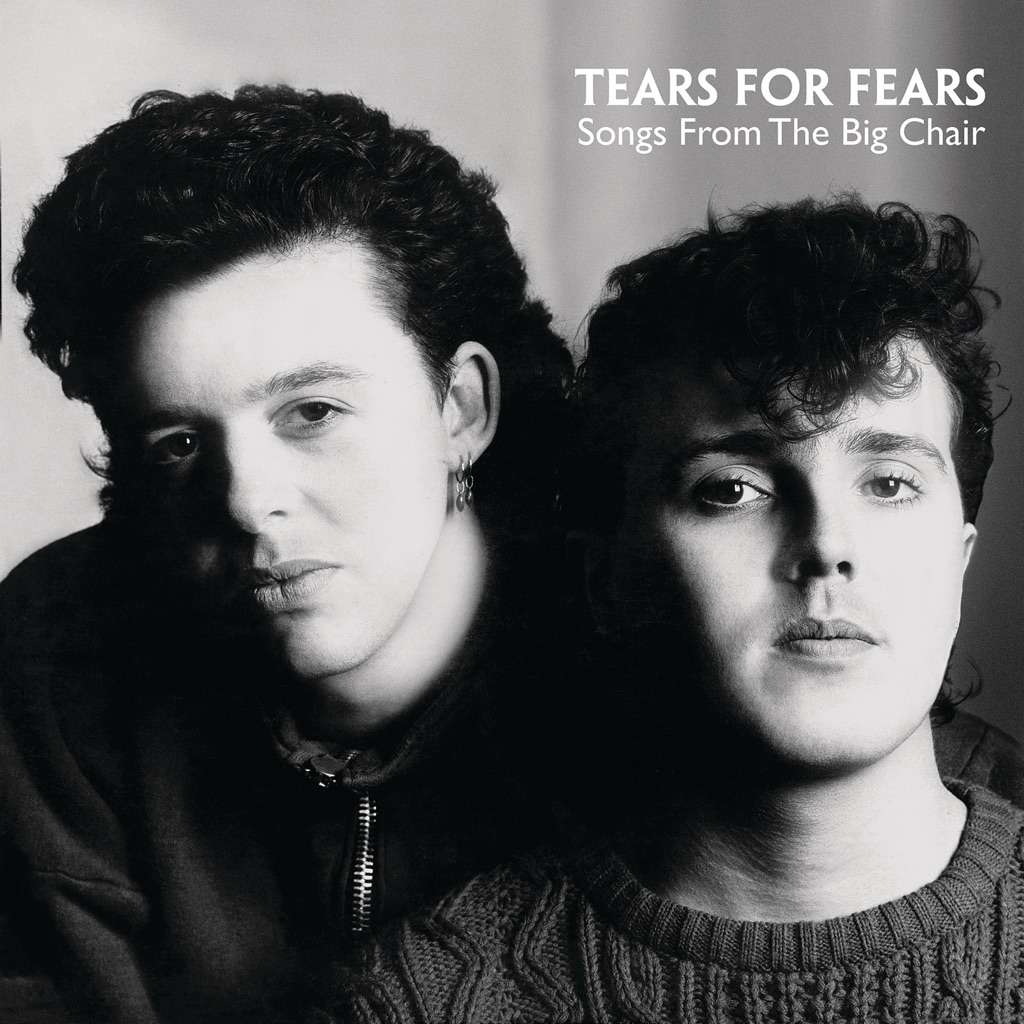
- 🥉 Songs from the Big Chair by Tears for Fears — 10 plays
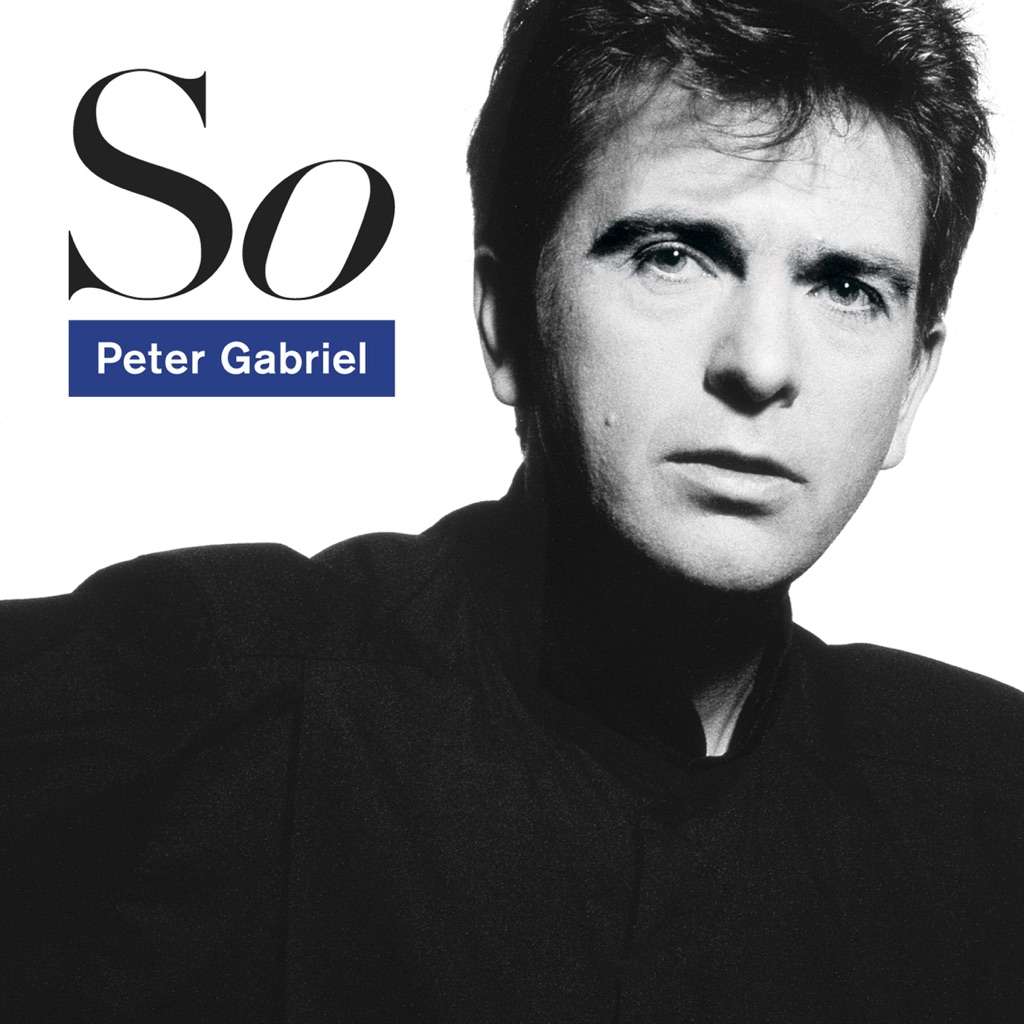
- 4. So by Peter Gabriel — 8 plays
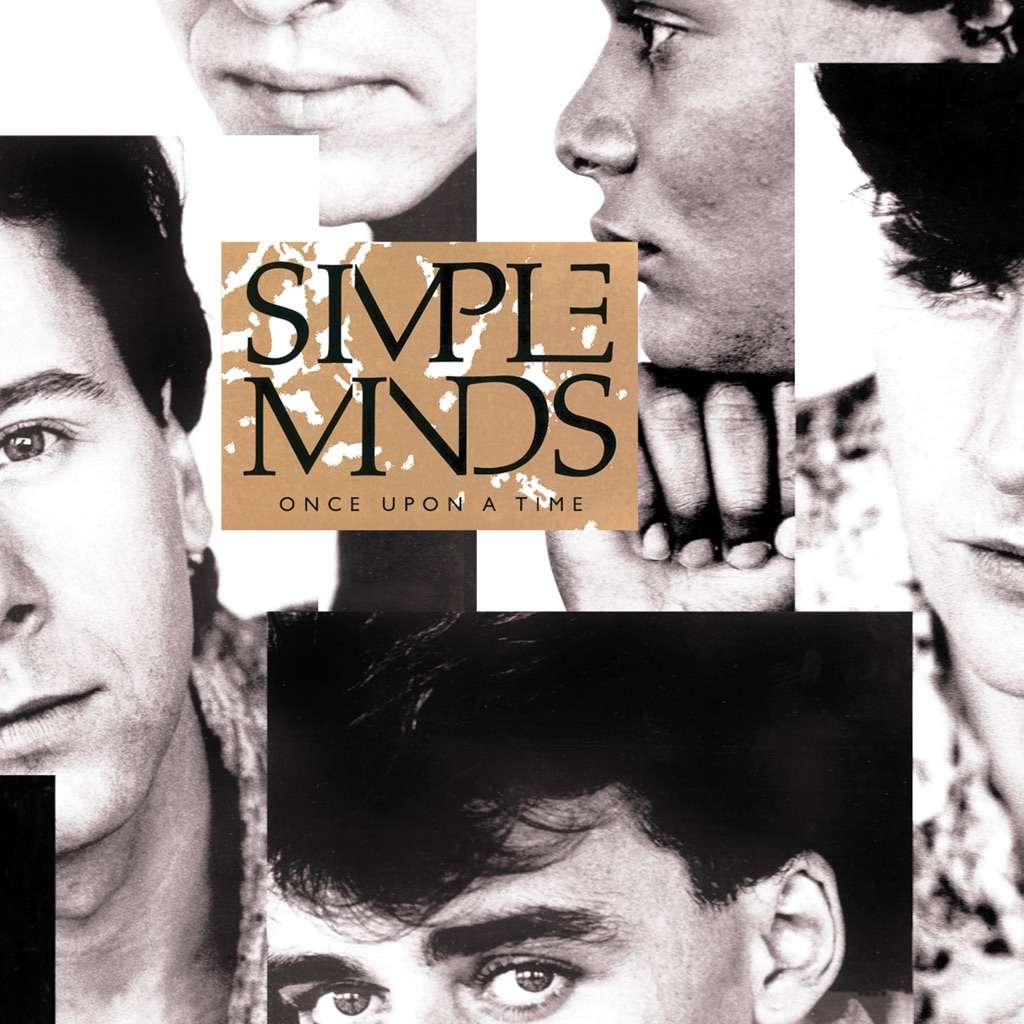
- 5. Once Upon a Time by Simple Minds — 7 plays
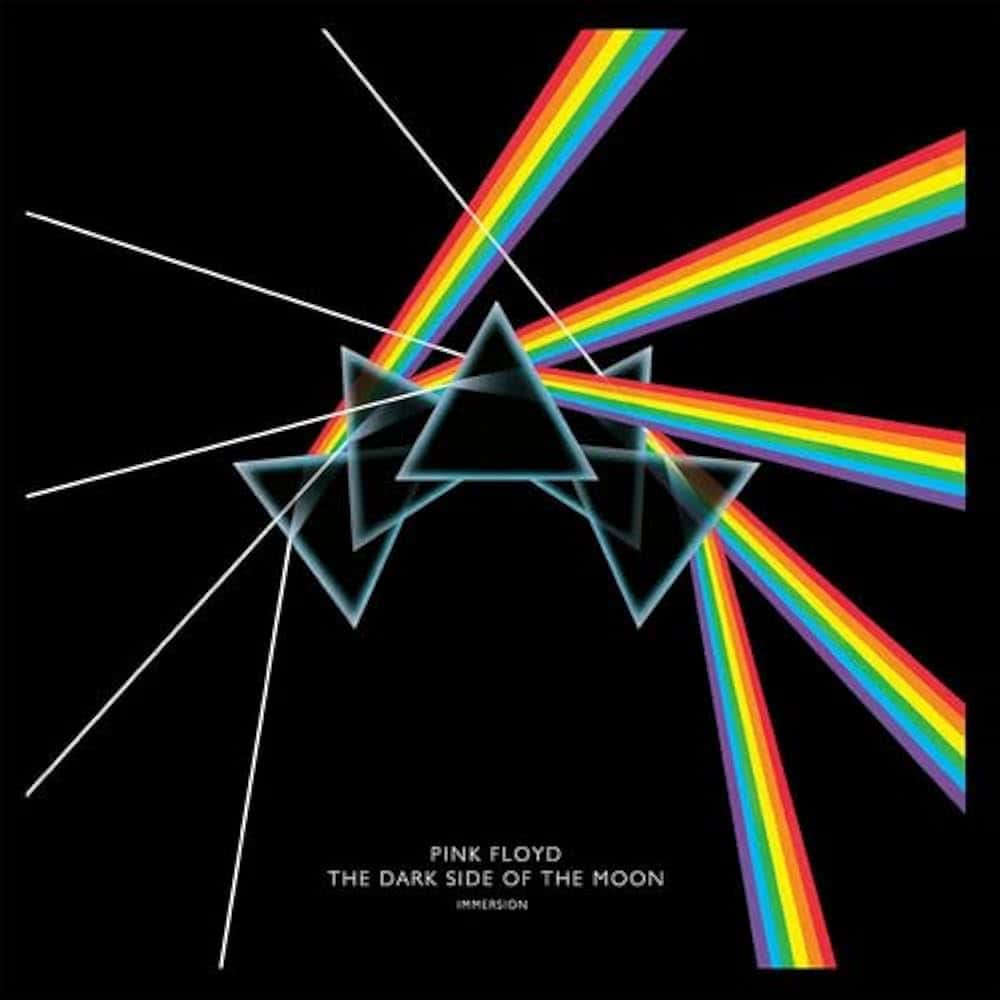
- 6. The Dark Side of the Moon by Pink Floyd — 6 plays
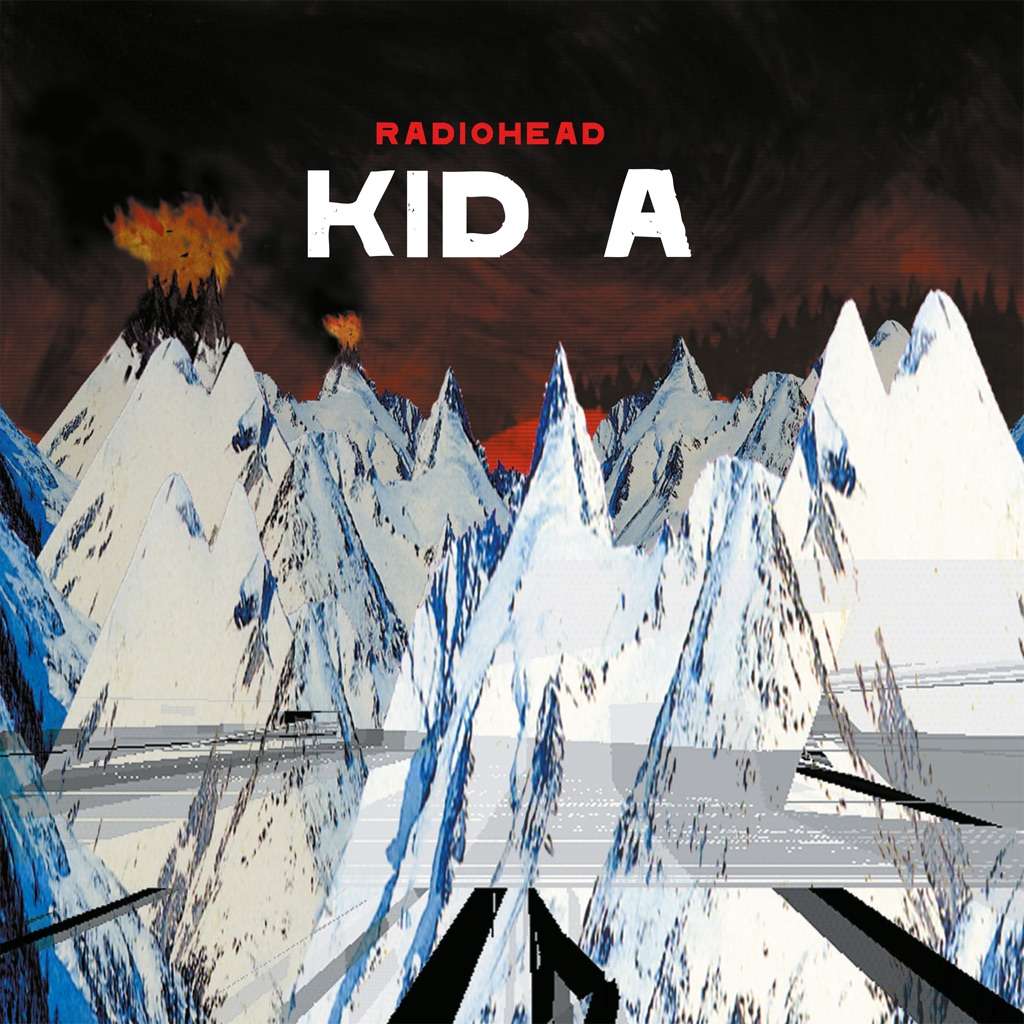
- 7. Kid A by Radiohead — 6 plays
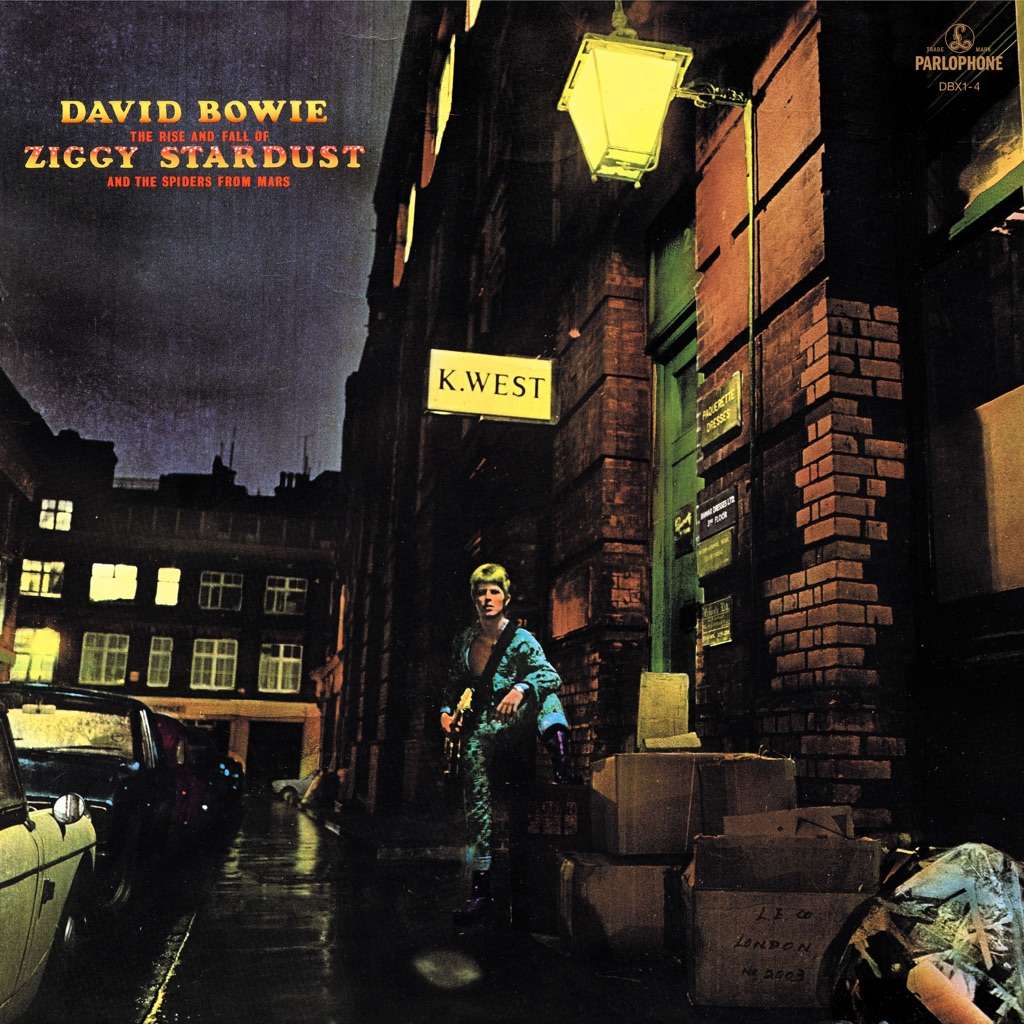
- 8. The Rise and Fall of Ziggy Stardust and the Spiders From Mars by David Bowie — 6 plays
- 9. Substance by New Order — 5 plays
- 10. Greatest Hits by Tom Petty and The Heartbreakers — 5 plays
View albums 11-50
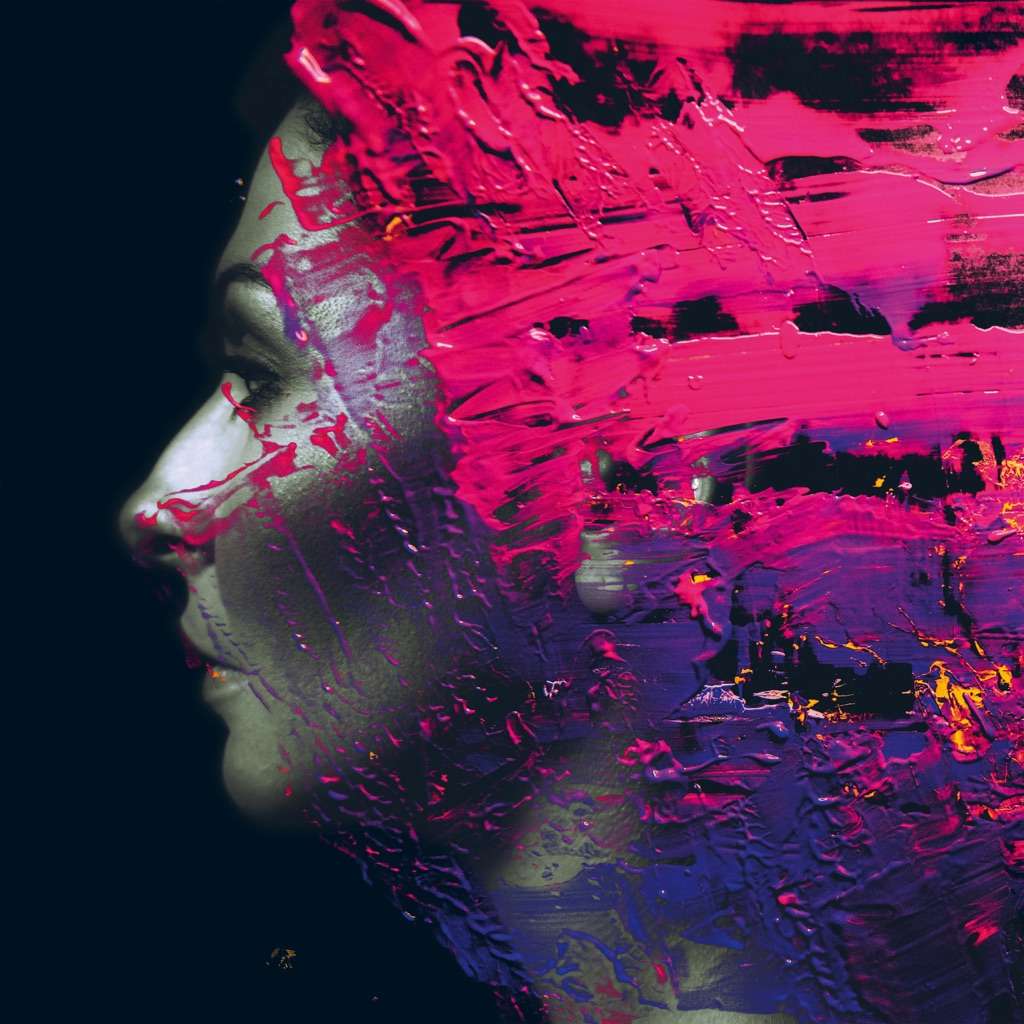
- 11. Hand. Cannot. Erase. by Steven Wilson — 5 plays
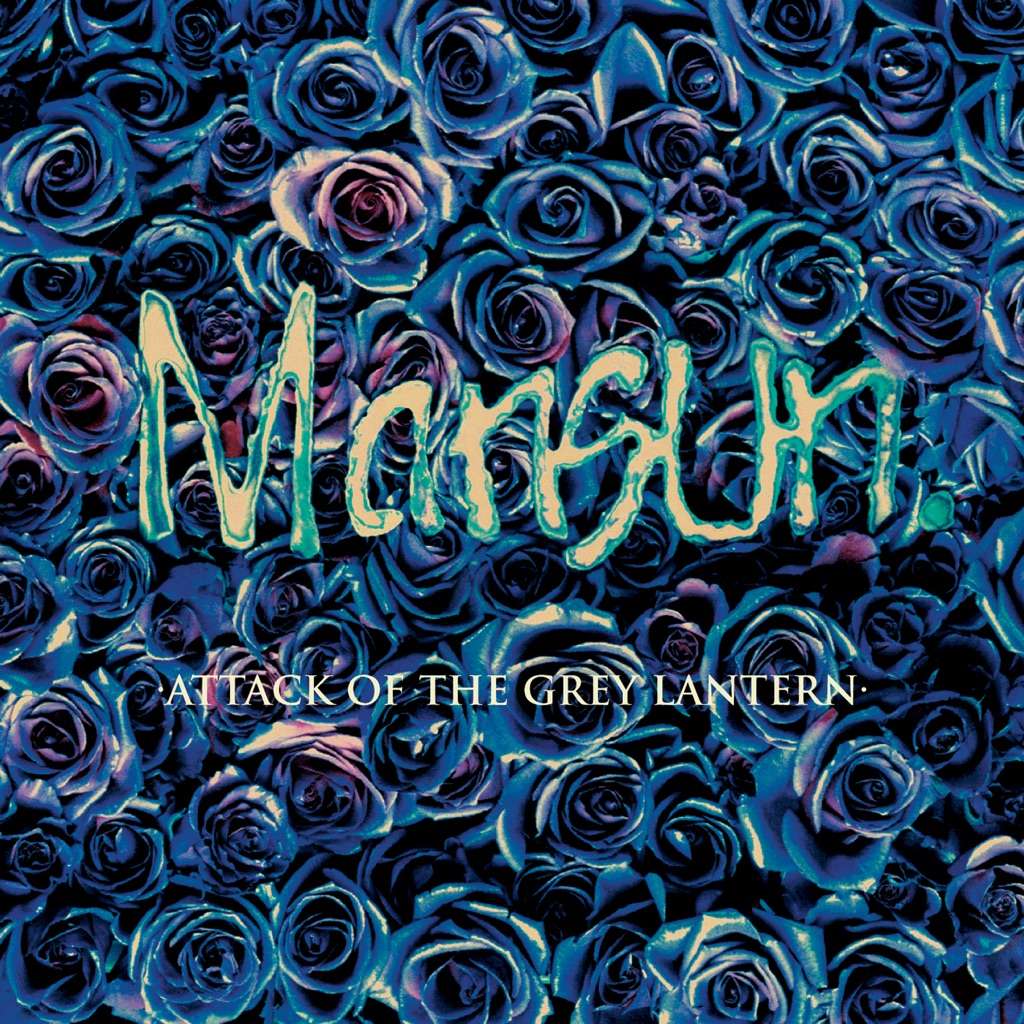
- 12. Attack Of The Grey Lantern by Mansun — 5 plays
- 13. Aja by Steely Dan — 5 plays
- 14. The Pleasure Principle by Gary Numan — 5 plays
- 15. The Joshua Tree by U2 — 5 plays
- 16. The Unforgettable Fire by U2 — 5 plays
- 17. Nothing’s Shocking by Jane’s Addiction — 5 plays
- 18. Invisible Touch by Genesis — 4 plays
- 19. The Dark Third by Pure Reason Revolution — 4 plays
- 20. The Division Bell by Pink Floyd — 4 plays
- 21. The Wall by Pink Floyd — 4 plays
- 22. Graceland by Paul Simon — 4 plays
- 23. Doubt by Jesus Jones — 4 plays
- 24. Fashion Nugget by Cake — 4 plays
- 25. Ten by Pearl Jam — 4 plays
- 26. Dirt by Alice in Chains — 4 plays
- 27. Definitely Maybe by Oasis — 4 plays
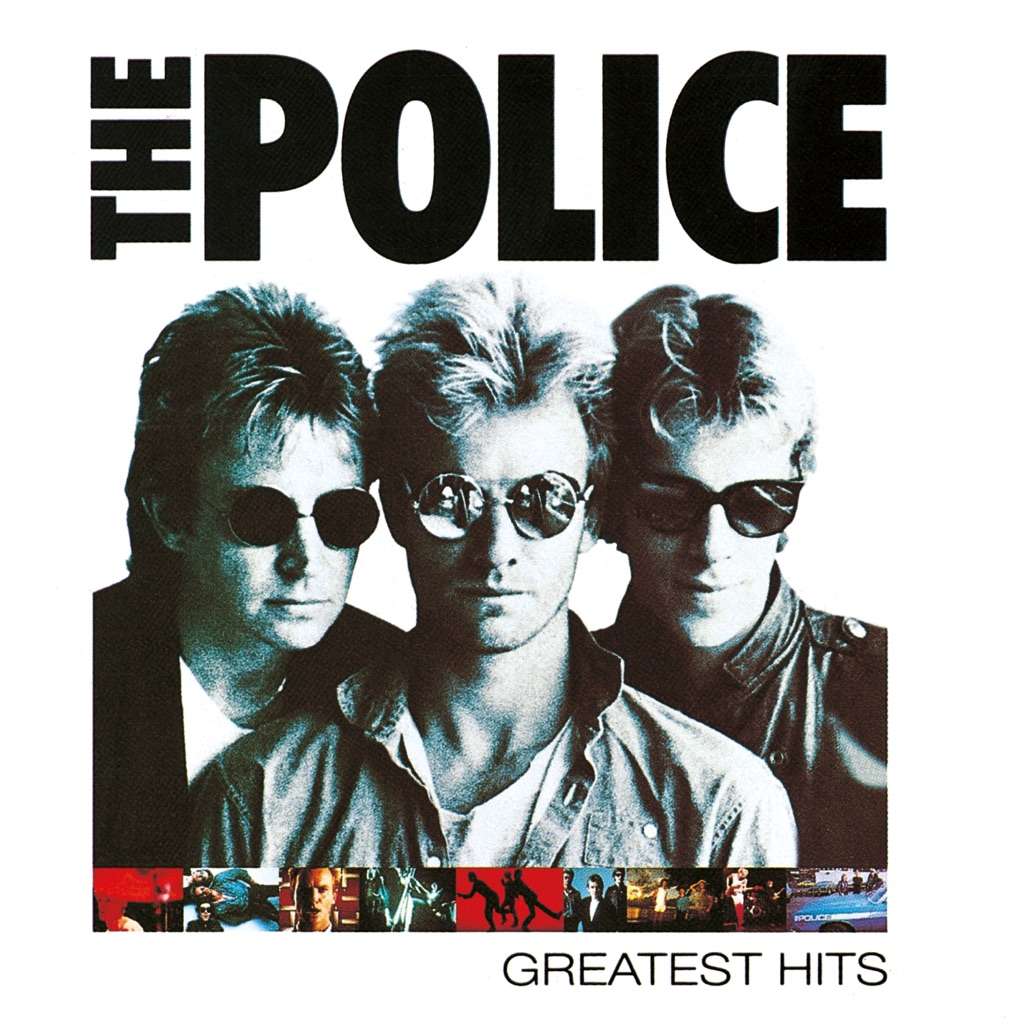
- 28. Greatest Hits by The Police — 4 plays
- 29. Born in the U.S.A. by Bruce Springsteen — 4 plays
- 30. The Very Very Best of Crowded House by Crowded House — 4 plays
- 31. Best Of Pixies by Pixies — 4 plays
- 32. Set Yourself on Fire by Stars — 4 plays
- 33. Siamese Dream by The Smashing Pumpkins — 4 plays
- 34. Singles by New Order — 4 plays
- 35. Angel Dust by Faith No More — 4 plays
- 36. Sparkle in the Rain by Simple Minds — 3 plays
- 37. A Momentary Lapse of Reason by Pink Floyd — 3 plays
- 38. Misplaced Childhood by Marillion — 3 plays
- 39. All Over The World - The Very Best Of by Electric Light Orchestra — 3 plays
- 40. Tango in the Night by Fleetwood Mac — 3 plays
- 41. Echo Street by Amplifier — 3 plays
- 42. Bill Withers Live At Carnegie Hall by Bill Withers — 3 plays
- 43. Distant Satellites by Anathema — 3 plays
- 44. Duke by Genesis — 3 plays
- 45. The Complete Singles by Inspiral Carpets — 3 plays
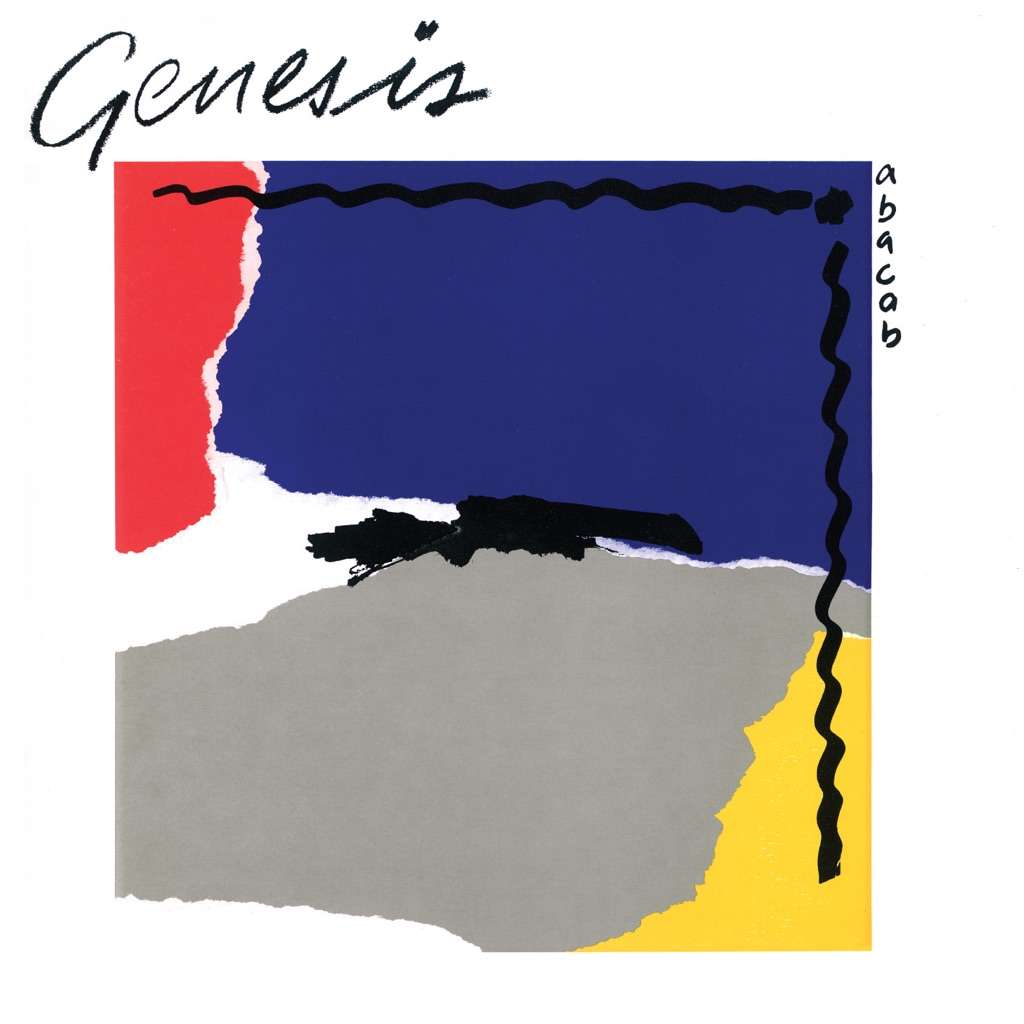
- 46. Abacab by Genesis — 3 plays
- 47. Purple Rain by Prince & The Revolution — 3 plays
- 48. Insider by Amplifier — 3 plays
- 49. Temple of the Dog by Temple of the Dog — 3 plays
- 50. Hatful of Hollow by The Smiths — 3 plays
Monthly Breakdown
Heres how my listening habits shifted throughout the year:
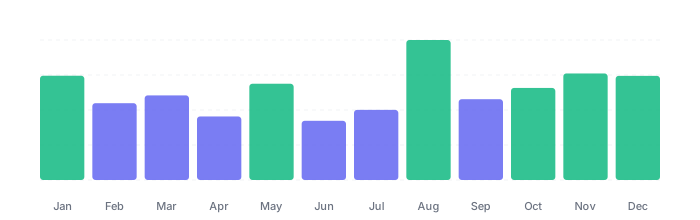
Most active month: August (1,168 plays)
Quietest month: June (494 plays)
Best quarter: Q4 (Oct-Dec) (2,526 plays)
View monthly data as table
| Month | Plays | Above Average |
|---|---|---|
| January | 870 | ✓ |
| February | 641 | |
| March | 706 | |
| April | 530 | |
| May | 803 | ✓ |
| June | 494 | |
| July | 585 | |
| August | 1,168 | ✓ |
| September | 674 | |
| October | 768 | ✓ |
| November | 889 | ✓ |
| December | 869 | ✓ |
Genre Breakdown
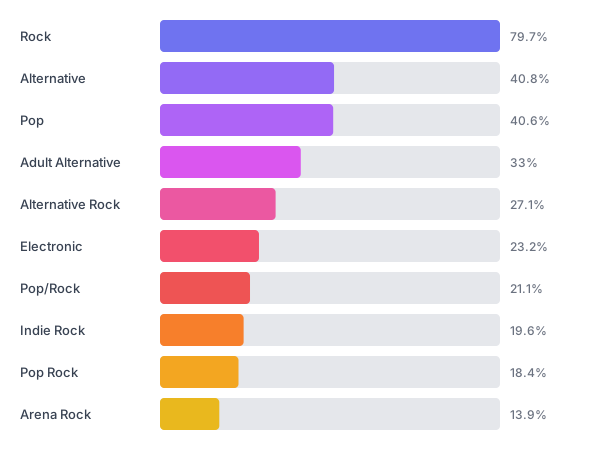
My top genres based on album metadata from my collection:
View as text list
- 1. Rock — 663 plays (7.4%)
- 2. Alternative — 354 plays (3.9%)
- 3. Pop — 335 plays (3.7%)
- 4. Adult Alternative — 280 plays (3.1%)
- 5. Alternative Rock — 224 plays (2.5%)
- 6. Electronic — 206 plays (2.3%)
- 7. Pop/Rock — 172 plays (1.9%)
- 8. Pop Rock — 152 plays (1.7%)
- 9. Indie Rock — 152 plays (1.7%)
- 10. Arena Rock — 121 plays (1.3%)
Hidden Gems
These albums might not have topped the charts, but they earned a special place in my rotation:
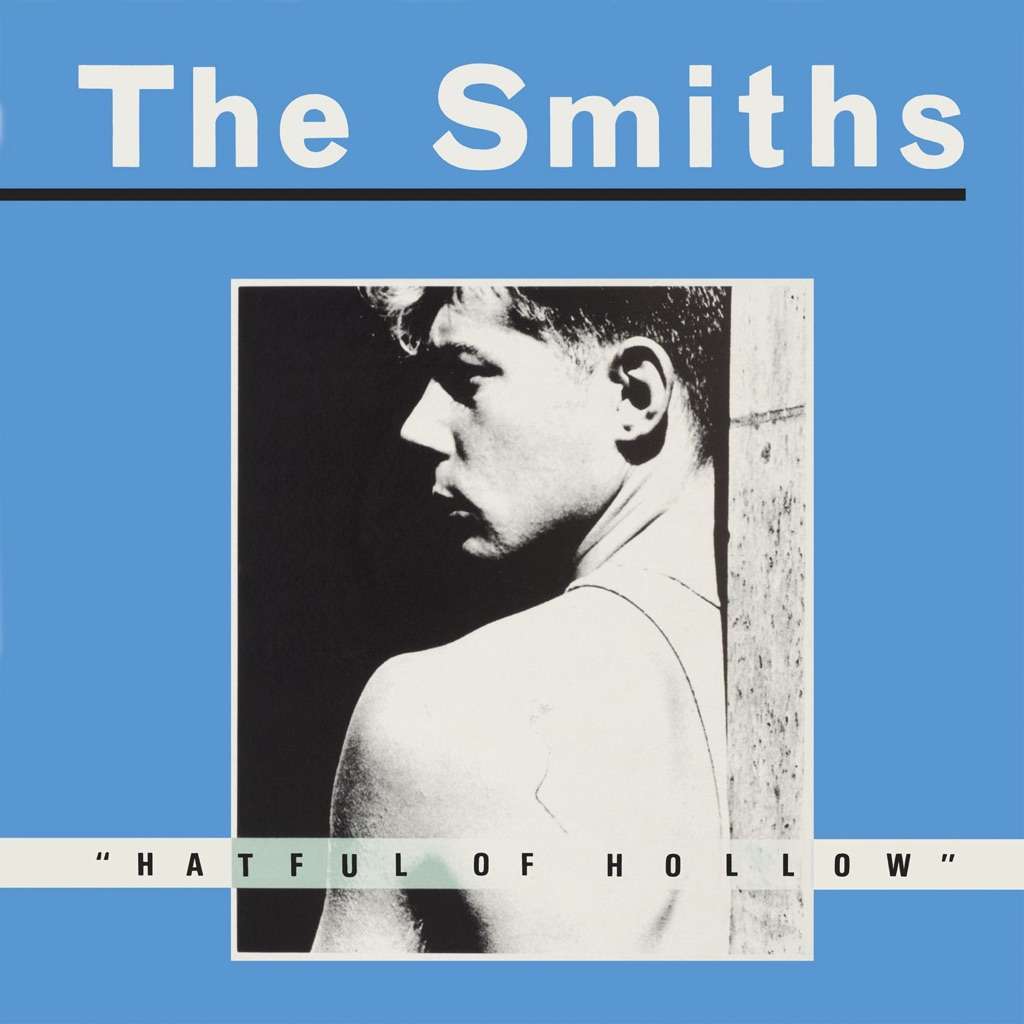
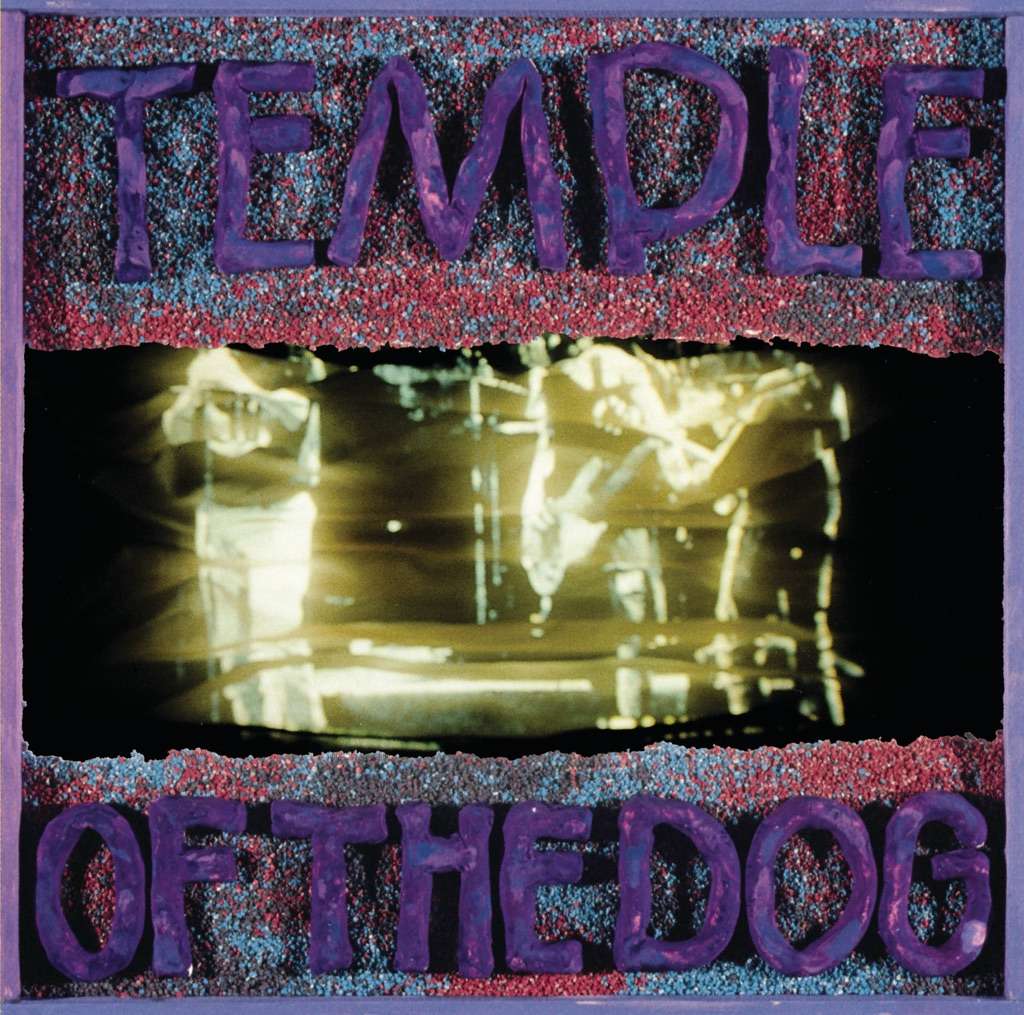

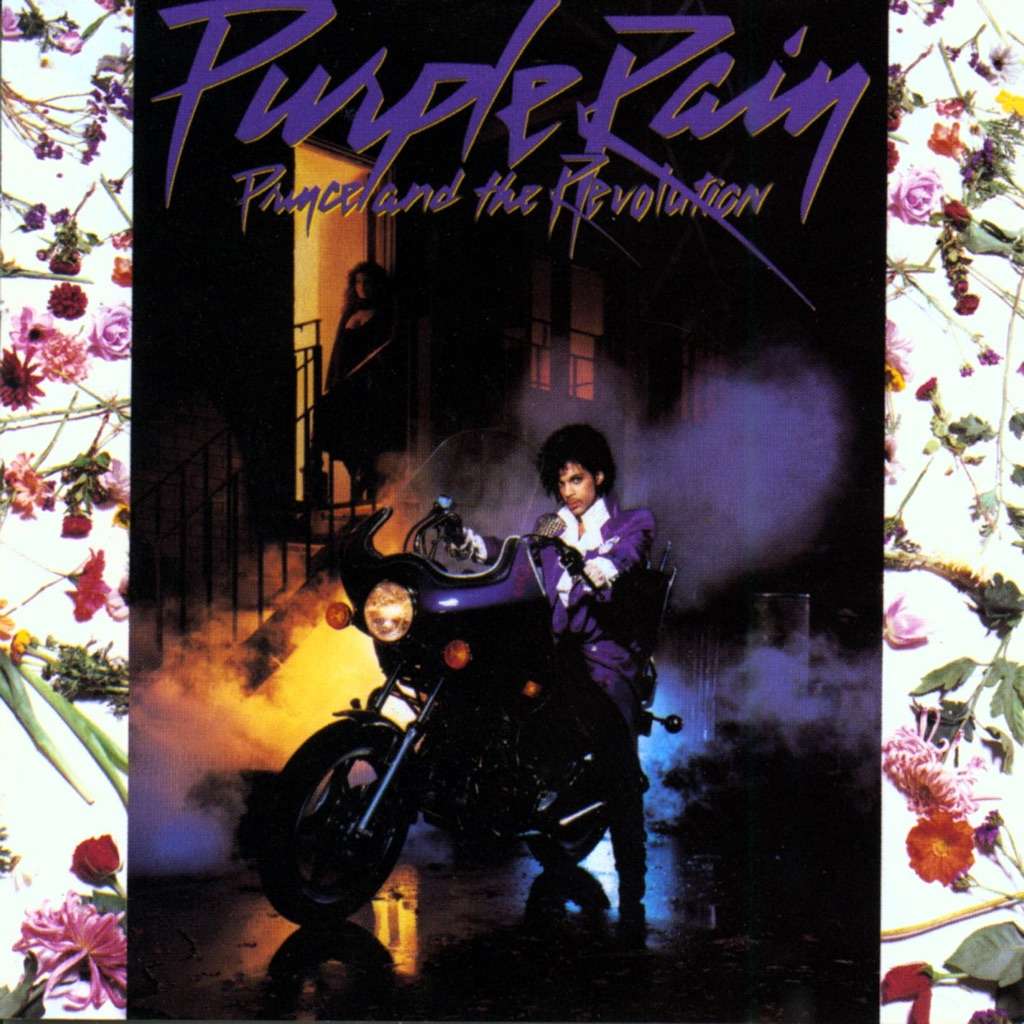
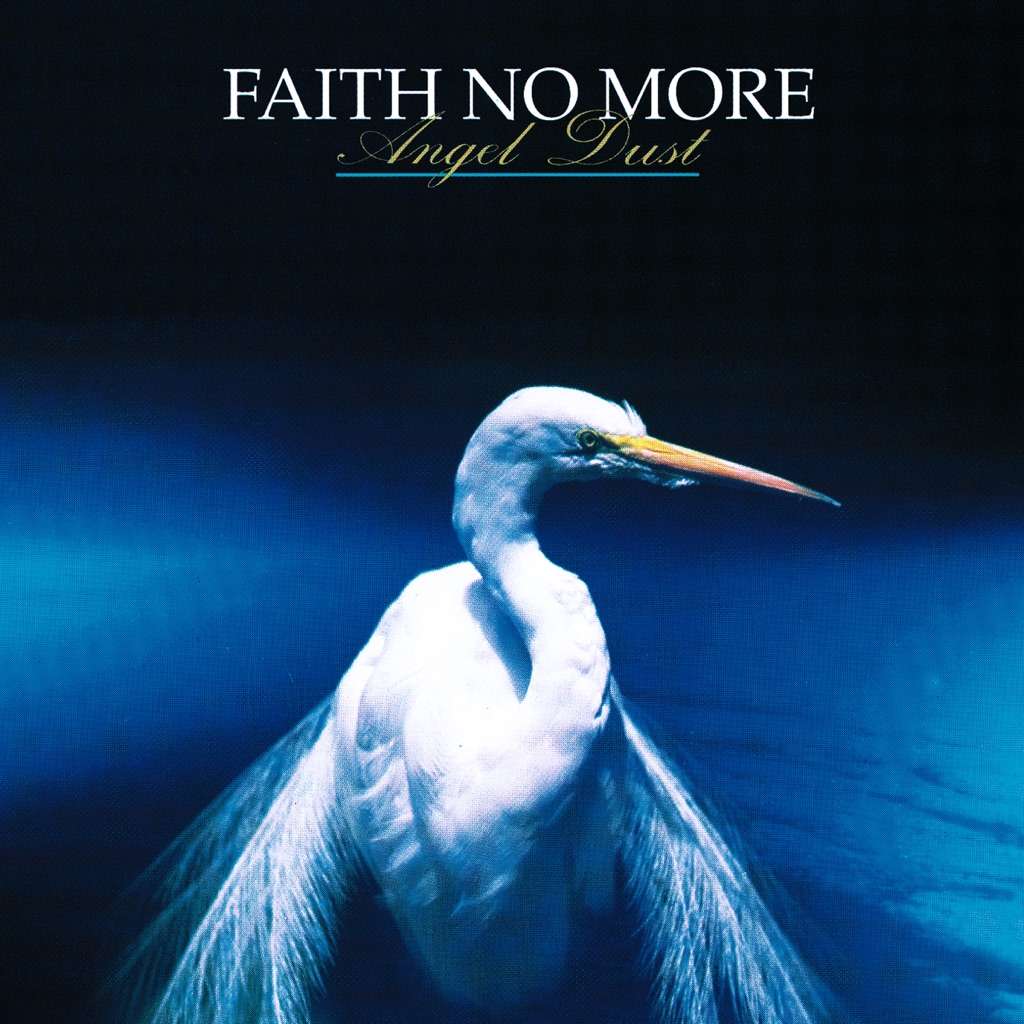
- “Hatful of Hollow” by The Smiths
- “Temple of the Dog” by Temple of the Dog
- “Insider” by Amplifier
- “Purple Rain” by Prince & The Revolution
- “Angel Dust” by Faith No More
- “Abacab” by Genesis
New Discoveries (Released in 2024)
These albums were released in 2024 and made their way into my rotation:
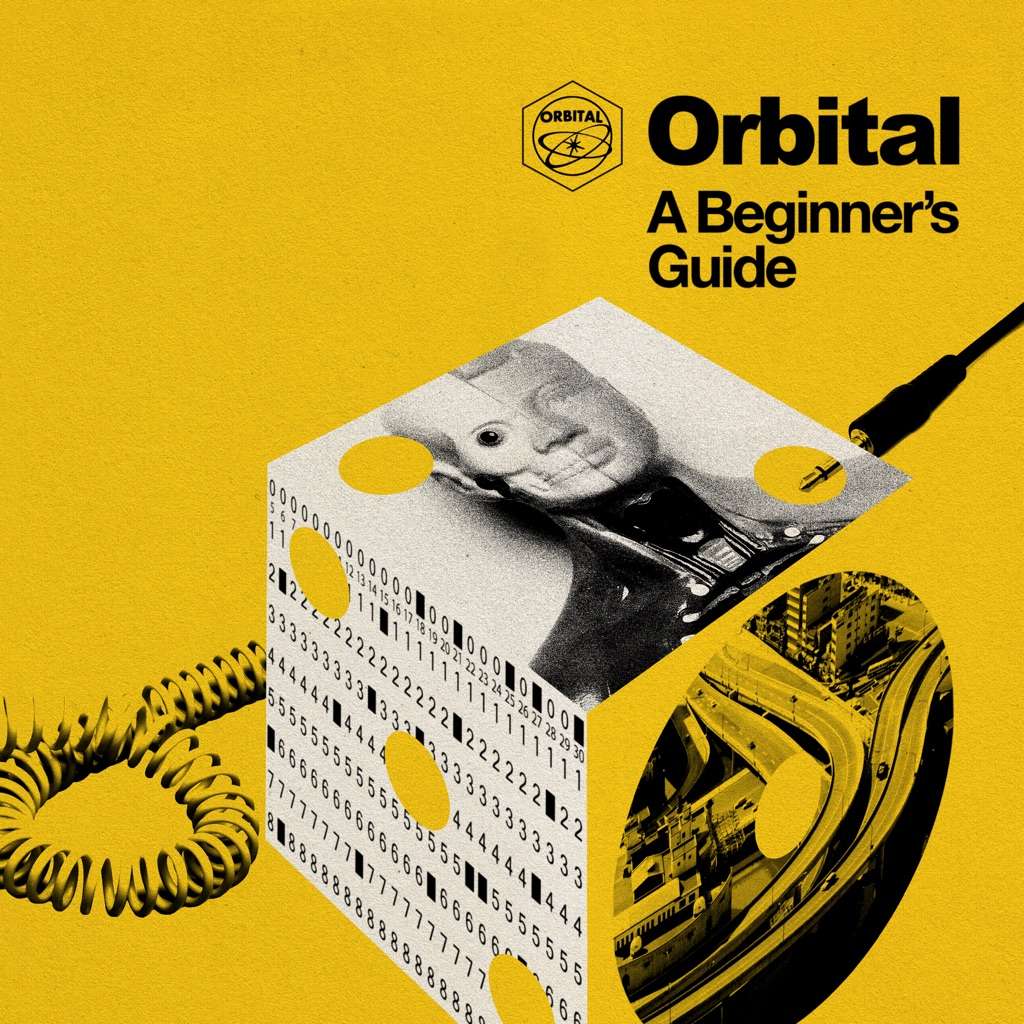
- “A Beginner’s Guide” by Orbital
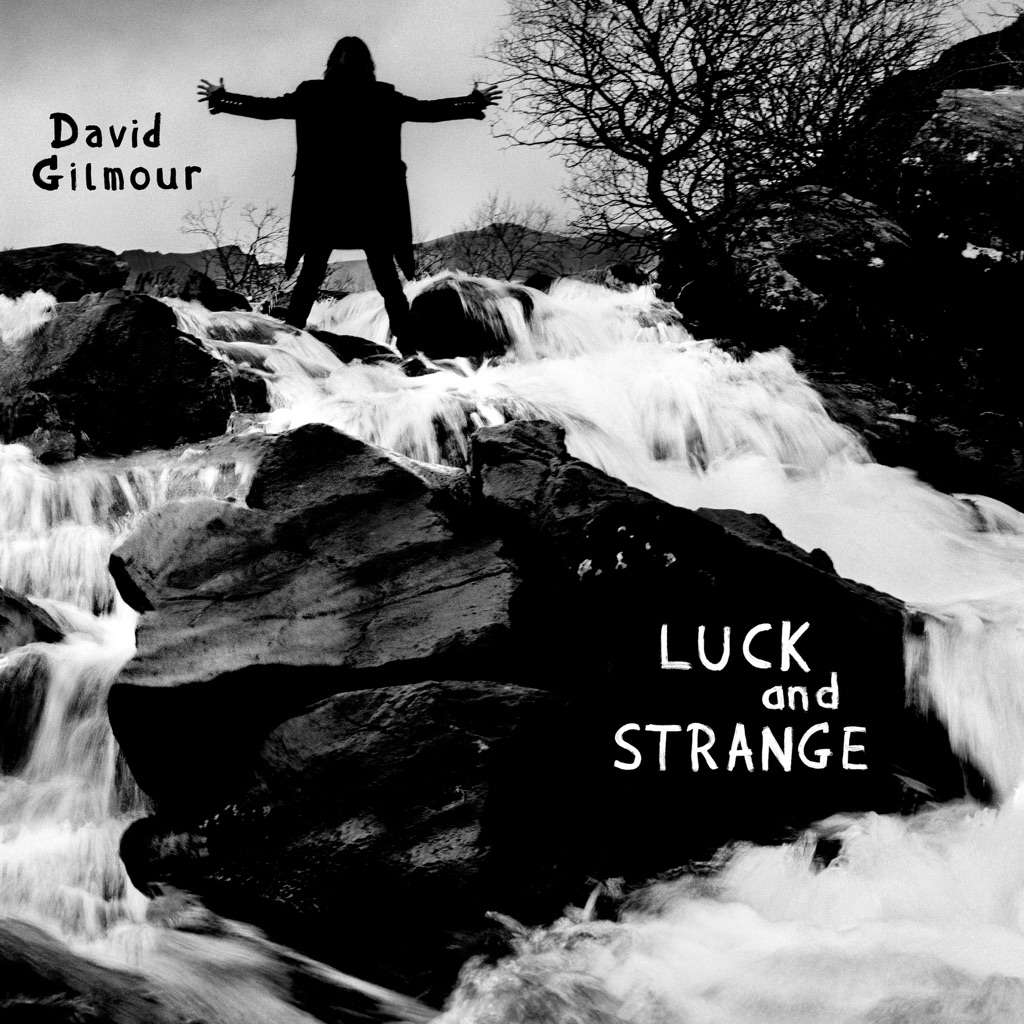
- “Luck and Strange” by David Gilmour
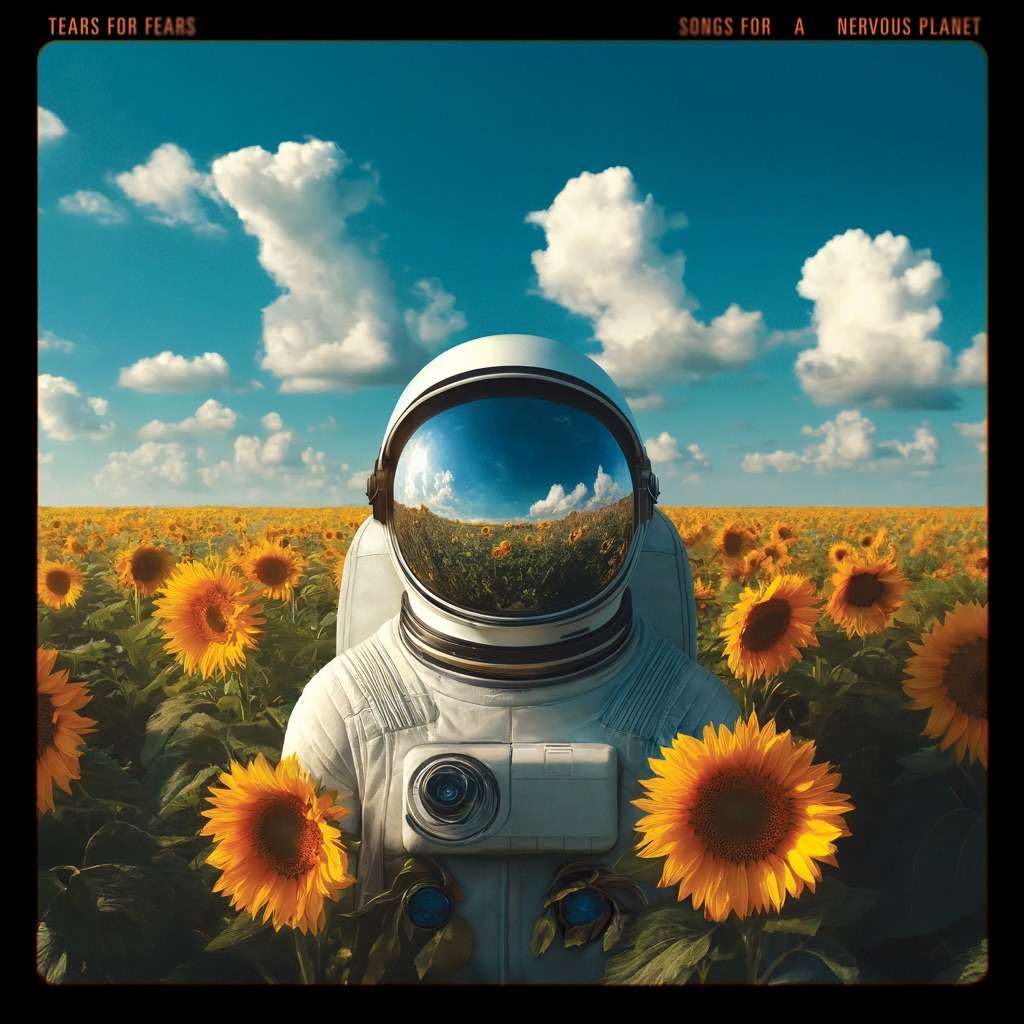
- “Songs for a nervous Planet” by Tears for Fears
Featured Albums
Premier Hits by Gary Numan 🎛️✨
20 plays in this year
Recording, release story, and how this compilation came together 📀
Premier Hits isn’t a new studio statement so much as a carefully assembled time capsule. Released on March 18, 1996 (remastered November 1995), it gathers Numan’s singles and defining tracks from 1977–1983 — the golden stretch that produced The Pleasure Principle and Telekon-era material. The compilation was packaged with a 12‑page booklet (including an essay by Steve Malins) and later reissued in 1997 by Beggars Banquet (title shortened to Premier Hits). A 2×LP vinyl debut followed in 2015 with extra tracks and a slightly altered running order. The album’s chart life was modest — peaking at No. 21 in the UK — but it helped reintroduce those early singles to a new generation, aided by the “Cars (Premier Mix)” tie‑in with a Carling lager TV ad that pushed the remix back into the singles chart (No. 17).
Musical style and production — cold synths, stark landscapes ❄️
What holds these tracks together is a distinct sonic fingerprint: lean, icy synth lines, simple but insistent bass sequences, and deadpan vocal delivery that pushed alienation into pop form. Rather than lush pads and sweeping orchestrations, Numan favored sparse arrangements where analog monos and polys (the classic late‑70s/early‑80s synth palette) cut through with mechanical clarity. Drum machines, tight gating and restrained guitar accents give many tracks a clinical, futuristic sheen. Lyrically and sonically the songs dwell in dystopian, technological themes — “Cars”, “Are ‘Friends’ Electric?” and “I Die: You Die” are pop songs that sound like the soundtrack to a retro‑futurist film.
Reception, legacy, and influence 🎧
At release the compilation performed respectably and became Numan’s best‑selling hits package; it was certified Silver by the BPI in 2015. More important than chart numbers is influence: Numan’s cold electronic aesthetic helped seed later industrial and alternative electronic scenes. Artists from Trent Reznor to members of the emerging synthwave and industrial scenes have cited his early work as formative; “Cars” in particular became a touchstone cover/remix target. The 1996 package reinforced his status as a pioneer, and the 2015 vinyl reissue helped cement his cross‑generational appeal.
MTV, visuals, and walking the pop/underground line 🎥
Numan arrived at a moment when image and video were becoming central. His robotic stage persona and stark visuals were made for the camera and the promo era, giving him chart‑friendly hooks while retaining underground credibility. The Premier Hits sequence highlights that duality: radio‑friendly singles that also sounded defiantly different from mainstream pop. In short, the compilation is the easiest way to hear how a punk‑born outsider used synth technology and tight production to create a new kind of pop that still sounds influential today.
Hounds of Love by Kate Bush 🎧
11 plays in this year
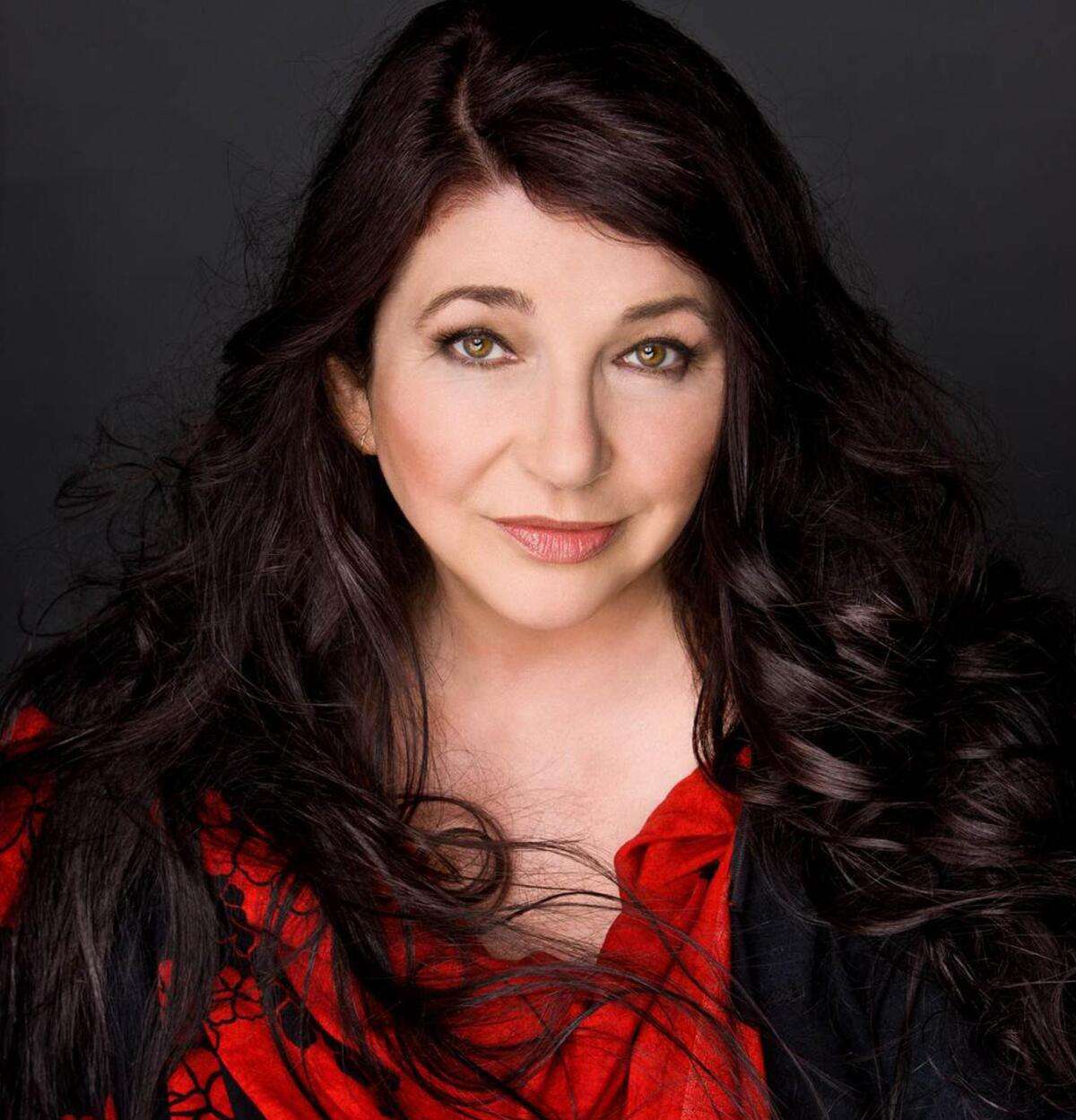
Recording & creation: a barn, a Fairlight, and total control 🛠️
After the bruising, experimental marathon of The Dreaming (1982), Kate Bush withdrew and built a sanctuary: a 24‑track studio in a Kent barn on her parents’ farm. Beginning as demos in 1983 and finished in mid‑1985, the album was an 18‑month labour of love. Bush produced it herself, insisting on creative autonomy after EMI doubted another self‑produced record. Sessions spilled into Windmill Lane (Dublin) and incorporated traditional instruments and field sounds; she layered vocals obsessively, treating the studio as an instrument rather than a factory. The record’s two‑part architecture—side one pop songs, side two the seven‑part suite “The Ninth Wave”—was conceived with vinyl’s sides in mind, giving it a concept‑album feel that still hits like pop.
Sound, synths and production aesthetics 🎛️
Hounds of Love sits where synth‑pop precision meets widescreen art‑pop. The Fairlight CMI is central—sampling, pad design and orchestral textures come from that machine—while the LinnDrum supplies the punchy 80s beats. But it’s not cold: acoustic piano, strings, traditional Irish touches and found‑sound samples warm the electronics. Bush’s hallmark stacked, contrapuntal vocals turn choruses into choirs and create an uncanny, human synth. Production choices—dramatic fades, cinematic reverb, hypnotic repetition—shape emotional climaxes (listen to the build on “Running Up That Hill” or the shifting dreamscapes of “The Ninth Wave”).
Reception & legacy: immediate success and decades of influence 🌟
Released 16 September 1985, the album topped the UK chart and produced enduring singles: “Running Up That Hill,” “Cloudbusting” (with Donald Sutherland in its iconic video), “Hounds of Love” and “The Big Sky.” Critics hailed it as Bush’s masterpiece; commercially it was her biggest success to date. Its influence is vast: you can hear its emotional art‑pop DNA in Björk, Tori Amos, St. Vincent and countless indie and electronic artists. The 2022 resurgence of “Running Up That Hill” via Stranger Things reintroduced the album to a new generation, proving its timelessness.
Visuals, MTV and pop vs. underground 🎥
Though reclusive, Bush embraced the visual era with cinematic videos (Julian Doyle directed “Cloudbusting” and “Running Up That Hill”), which helped bridge art‑pop to MTV audiences. The album is a masterclass in navigating mainstream and underground—accessible singles coexist with a prog‑like suite, and avant‑studio techniques sit under radio‑friendly hooks. Hounds of Love remains a rare feat: wildly inventive production that never sacrifices heart or melody.
Songs from the Big Chair by Tears for Fears 🎧
10 plays in this year
Recording & creation 🎚️
Released in 1985, Songs from the Big Chair was Tears for Fears’ deliberate leap from the claustrophobic synth‑pop of The Hurting to a widescreen, arena‑ready sound. The title comes from the 1976 TV film Sybil — the “big chair” as a therapy trope — which reflects the band’s ongoing fascination with psychology and primal‑scream ideas. Production was led by Chris Hughes with heavy creative input from Roland Orzabal and Ian Stanley; sessions stretched over months as songs were built, deconstructed and rebuilt. Fun fact: “Everybody Wants to Rule the World” was the last song written for the album and came together in about a week, while other tracks ran over six minutes and forced the band to pare the vinyl to just eight expansive pieces.
Sound & style — what makes it distinctive 🎹
What sets the album apart is its hybrid identity: synth‑pop/new‑wave sensibilities married to pop‑rock dynamics. It keeps layered synth pads, arpeggios and sequenced patterns at its core, but overlays them with jangly guitars, live bass and drumming — producing warmth and a human pulse that pure synth records often lacked. The arrangements favor big choruses and dramatic builds (listen to the slow escalation of “Shout”), yet the lyrics keep an introspective and political edge: power and corruption in “Everybody Wants to Rule the World,” catharsis in “Shout,” and tenderness in “I Believe.” The album’s bookending of “Broken” and “Head Over Heels” shows their artful use of motifs and sequencing, almost like personalities occupying the same “big chair.”
Production aesthetics & synth palette ⚙️
Mid‑’80s studio polish is all over the record: gated reverb drums, roomy digital reverbs, tightly programmed sequences and multi‑layered synth textures. Rather than replacing traditional instruments, synths provide atmosphere, hooks and rhythmic scaffolding — pads for emotional swells, arpeggiated lines for momentum, and melodic synth leads that sit beside guitar lines. The production balances electronic precision with live energy, giving the album both sheen and soul.
Reception, MTV & legacy 📺
Commercially it was a breakthrough: multi‑platinum sales worldwide, US No.1 and prolonged chart life in the UK. Singles — especially “Shout” and “Everybody Wants to Rule the World” — became MTV staples; their videos translated the band’s psychological seriousness into cinematic, accessible images and widened their audience. Over time the album has become a landmark of 1980s pop: a template for marrying thoughtful, darker themes to radio‑friendly production and a touchstone for later artists who mined the emotional, synth‑forward ‘80s sound.
So by Peter Gabriel 🎛️
8 plays in this year
Recording & creation story 🛠️
Peter Gabriel recorded So mostly between 1985–86 at his Somerset home studio (Ashcombe House — nicknamed Shabby Road) with producer Daniel Lanois and guitarist David Rhodes. The core trio jokingly called themselves the Three Stooges as they built tracks slowly and deliberately: Gabriel sketched parts on a Yamaha and Prophet synth, laid down demos with drum-machine patterns, then iteratively re-recorded (A machine vs B machine layering). Overdubs, horns and final touches were added at Power Station in New York. A famous bit of lore: Lanois reportedly locked Gabriel in a barn to force him to finish lyrics — a vivid image of the album’s obsessive, hands‑on finishing process.
Sound, synthesis & production tricks 🔊
So is where cutting‑edge 1980s production meets world‑influenced art pop. Gabriel leaned on Fairlight sampling, E‑mu/Emulator sounds, Prophet synth textures and Linn‑style drum programming, but combined them with live horns, African‑tinged percussion and soulful arrangements. “Sledgehammer” opens with a sampled shakuhachi flute (Emulator II) and blasts a greasy horn break; “Red Rain” and “Mercy Street” balance atmosphere with melody; “In Your Eyes” layers world percussion under a love song that feels spiritual. Daniel Lanois’ ambient sheen and meticulous mic/space choices gave the album warmth and punch — modern yet organic.
Reception & mainstream breakthrough 📈
Critically and commercially So was Gabriel’s breakthrough. It hit No. 1 in the UK, peaked at No. 2 in the US, and stayed on the Billboard chart for around 93 weeks. “Sledgehammer” became his only US No. 1 single. Reviewers praised the accessible songwriting without accusing him of selling out — Gabriel managed to widen his audience while keeping artistic depth. The Kate Bush duet on “Don’t Give Up” and the cinematic “In Your Eyes” added emotional range.
Visual era, MTV & legacy 🎥
So arrived squarely in the MTV era. The stop‑motion, Aardman/Brothers Quay “Sledgehammer” video was ubiquitous and award‑winning — it turned a catchy single into a cultural moment and proved Gabriel could be as visually adventurous as he was musically. The album helped normalize blending world‑music elements into pop (preceding Paul Simon’s Graceland by months) and influenced producers and artists who wanted artful mainstream success. Its hooks — simple refrains, big horn hits, vocal duets and pristine production — made deep, artful songs radio‑friendly. Decades later, So remains a blueprint for how to bridge underground sensibilities and commercial pop without losing credibility.
Once Upon a Time by Simple Minds 🎧
7 plays in this year
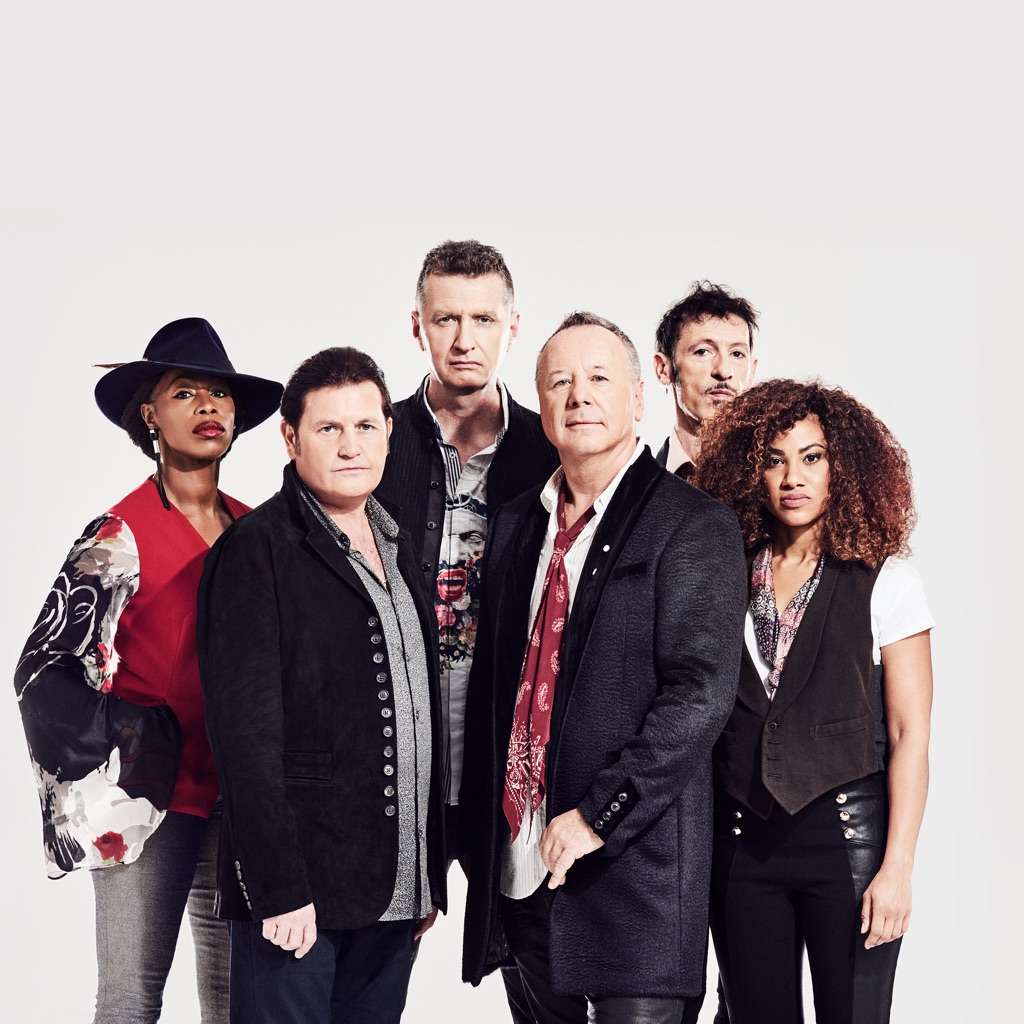
Recording history & creation process 🛠️
Once Upon a Time (Oct 1985) was Simple Minds’ big-studio leap: recorded at London’s Townhouse and finished with mixes in New York, produced by Jimmy Iovine and mixed by Bob Clearmountain, mastered by Bob Ludwig. That team pushed the band toward a louder, more polished arena sound — Iovine in particular encouraged Jim Kerr to sing bigger and more directly. The sessions brought in seasoned players and backing vocalists (session bass by John Giblin; guests including Michael Been and Carlos Alomar), tightening arrangements for radio. An interesting aside: their US breakthrough single, “Don’t You (Forget About Me),” wasn’t on the album — it had been a standalone soundtrack hit that propelled the band into this more commercial phase.
Musical style & distinctive traits 🎹⚡
Musically the record sits at the crossroads of new-wave, synth-pop and stadium rock. Michael MacNeil’s keyboards provide the shimmering synth beds, Charlie Burchill’s guitar alternates between chiming textures and soaring leads, and Mel Gaynor’s drums get that big-80s punch courtesy of Clearmountain’s mixes. What makes it distinctive is the blend: art-school ambience and post‑punk drama wrapped in radio-size hooks — think expansive, cinematic arrangements (“Alive and Kicking,” “Oh Jungleland”) that still keep a taut rhythmic drive.
Reception, legacy & influence 📈
Once Upon a Time hit No. 1 in the UK and cracked the US top 10, selling around two million copies and cementing Simple Minds as international stadium players. Singles like “Alive and Kicking” and “Sanctify Yourself” became MTV staples. Critics were split — some praised the ambition and sheen, others missed the darker edge of earlier records — but the album’s commercial success broadened the band’s influence: it became a template for 80s bands aiming to translate post‑punk credibility into mainstream arena appeal. Multiple deluxe reissues (notably 2015) show lasting appetite for the era’s sessions and mixes.
Synths, production, MTV & the underground ↔ mainstream balance 🎛️📺
Synthesizers and 80s production techniques (gated reverb, glossy mixes, layered keys) are integral — they convert the band’s earlier atmospheric experiments into anthemic pop. Clearmountain’s drum sound and Iovine’s push for vocal immediacy are audible throughout. MTV’s visual era amplified the effect: high-rotation videos turned songs into anthems and helped translate the band’s art-school theatricality into mass-market spectacle. Yet the record still carries post‑punk energy — dramatic dynamics, poetic lyrics and angular guitar work — allowing Simple Minds to walk the line between underground authenticity and mainstream blockbuster.