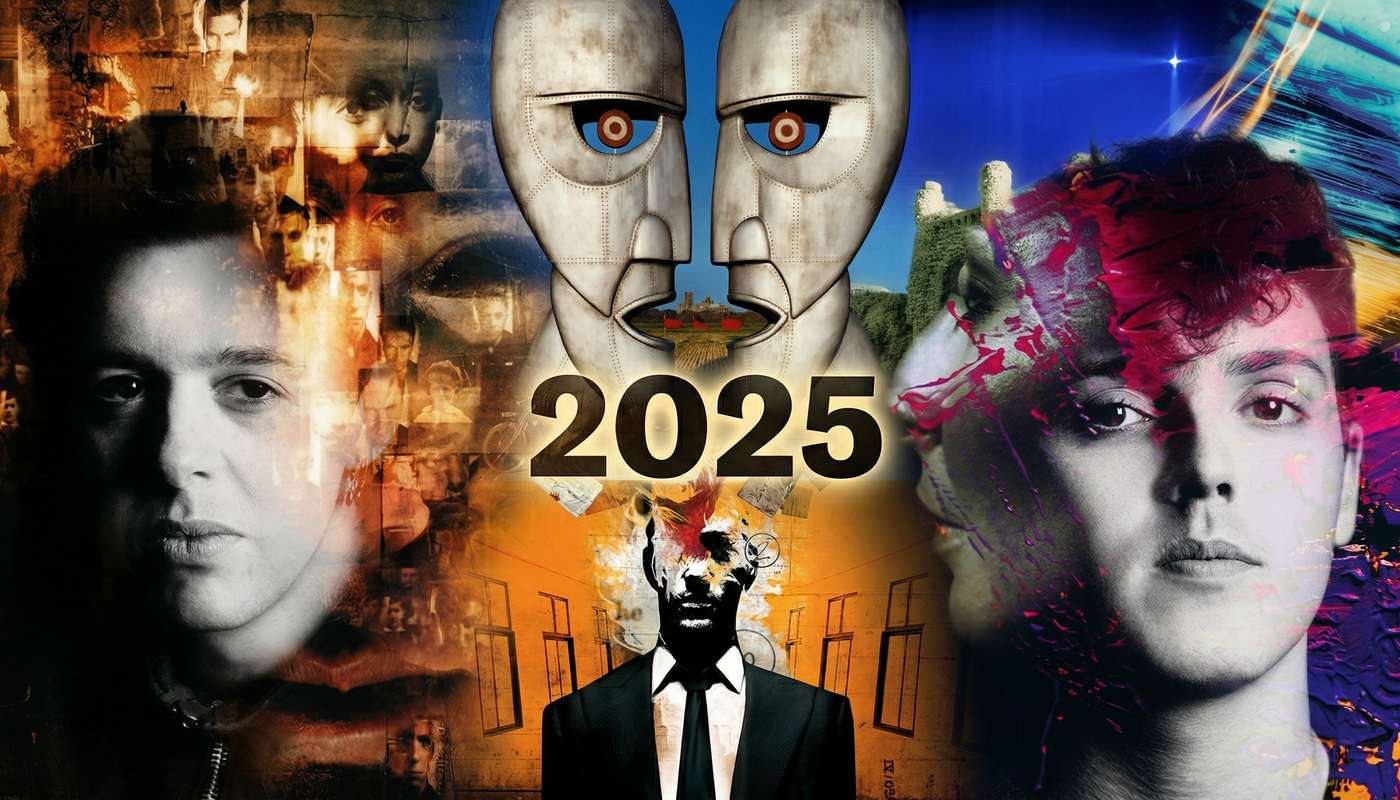
My 2025 Year in Music

My 2025 Wrapped
What a year for music! In 2025, I scrobbled 8,636 tracks across 313 different artists and 465 albums. Thatβs roughly 504 hours of music - or about 21 days of non-stop listening. On average, the albums I listened to are 28 years old.
Pink Floyd earned the top spot with 290 plays (3.4% of your year).
Lets dive into the numbers and see what made 2025 special.
By the Numbers
Thats 21 days of music, or roughly 24 tracks per day. My peak listening month was January with 1,051 scrobbles.
Artist of the Year
Pink Floyd
With 290 plays (3.4% of my total listening), Pink Floyd dominated my 2025. They were my top artist in January.
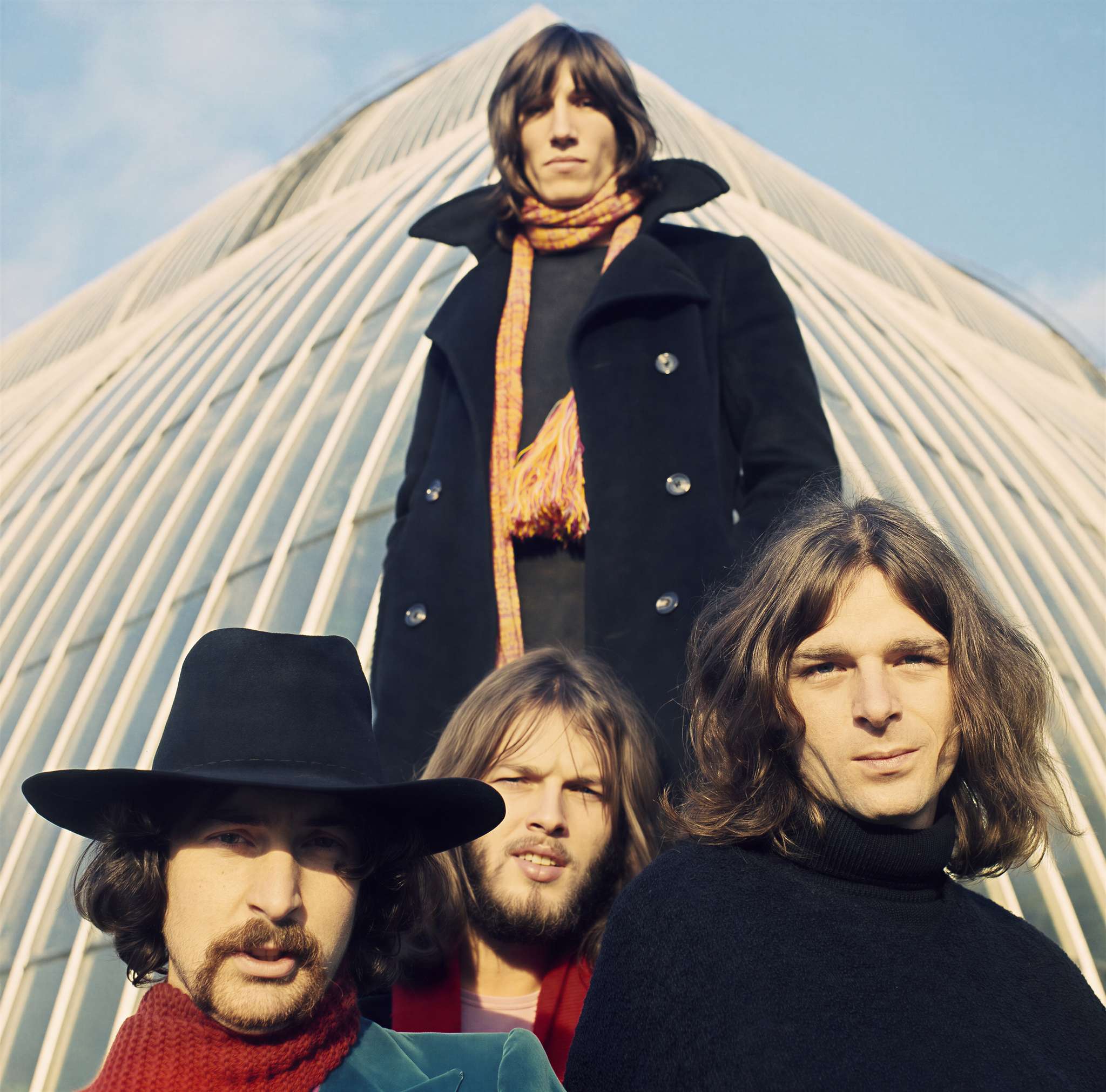
- View Pink Floyd on russ.fm
Album of the Year
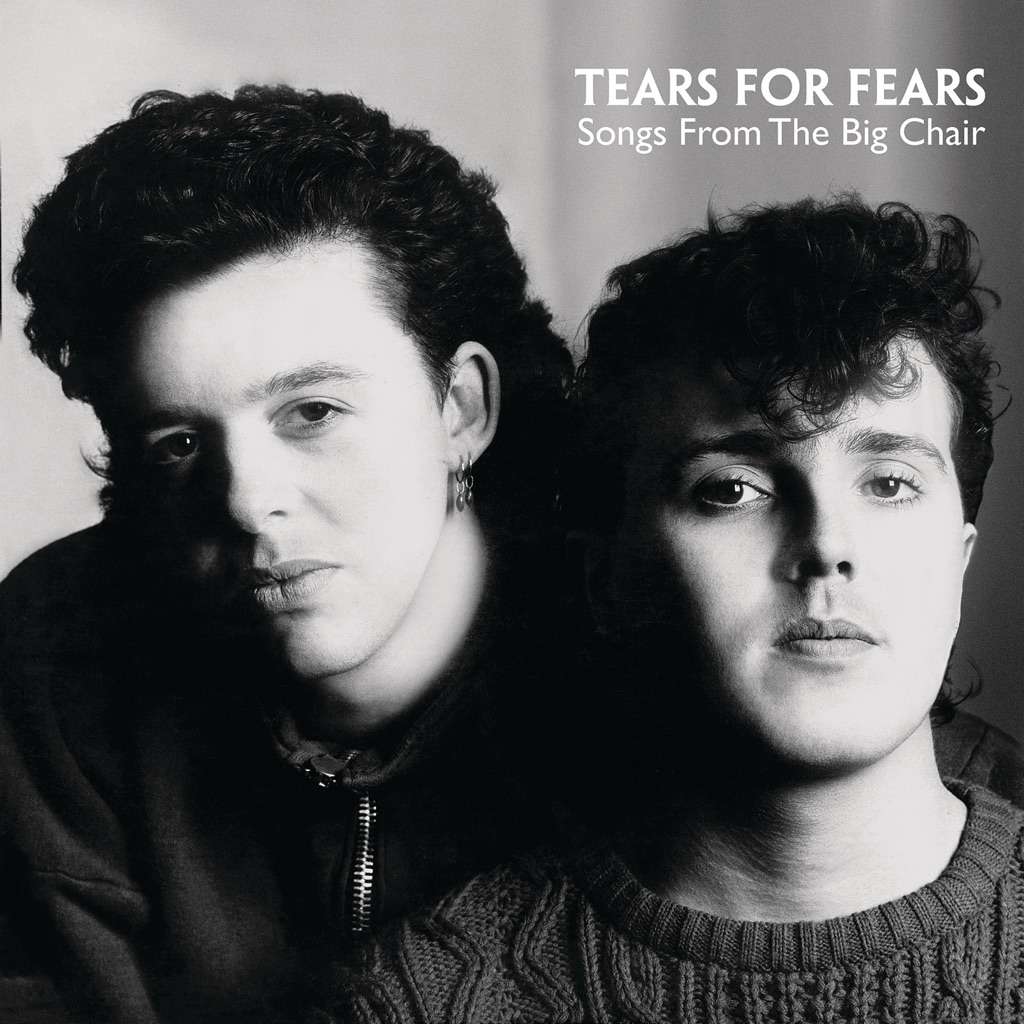
βSongs from the Big Chairβ by Tears for Fears
This album earned the top spot with 6 plays (0.1% of my listening).
Top 25 Artists
- π₯ Pink Floyd β 290 plays
- π₯ The Smashing Pumpkins β 215 plays
- π₯ Suede β 134 plays
- 4. Crowded House β 131 plays
- 5. Regina Spektor β 121 plays
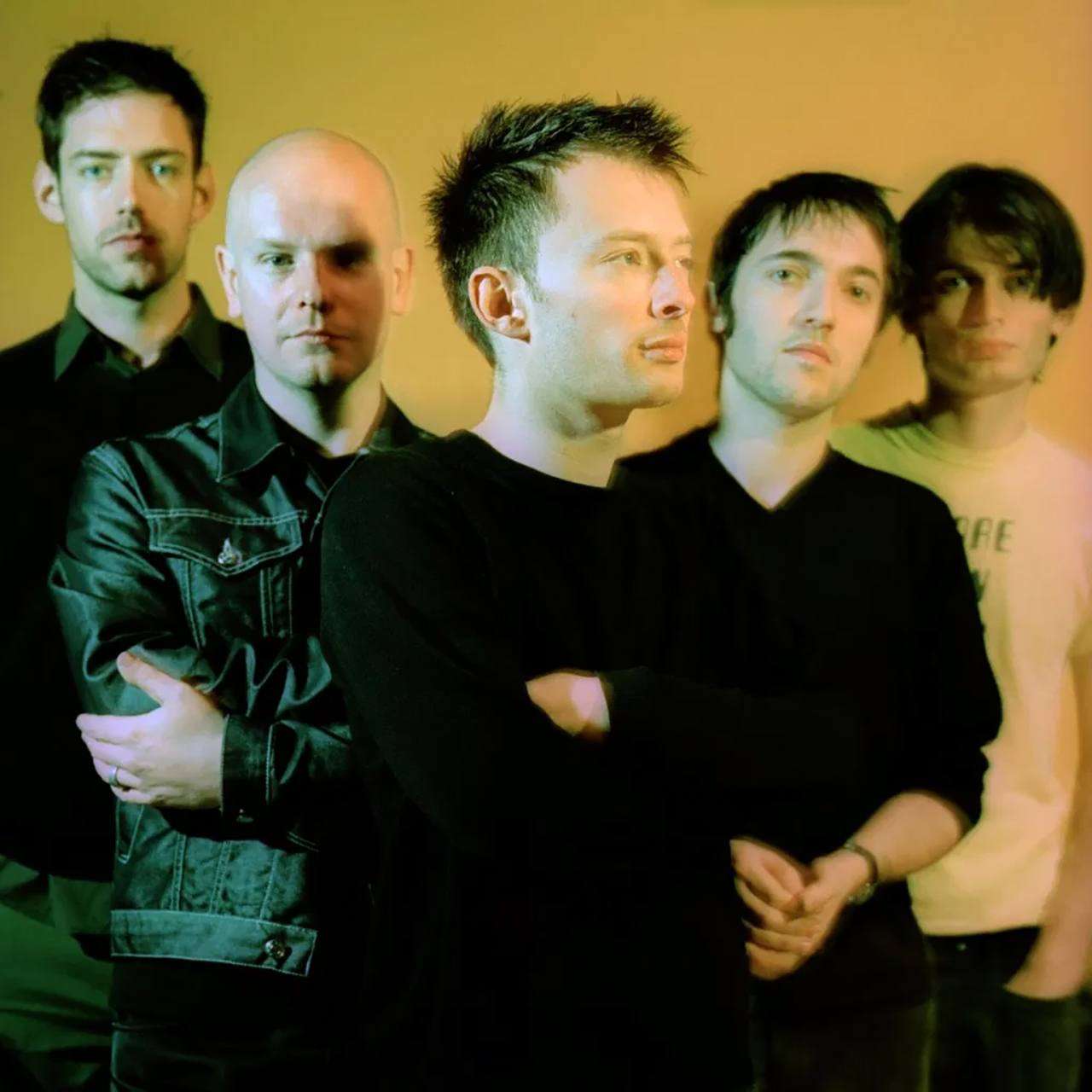
- 6. Radiohead β 107 plays
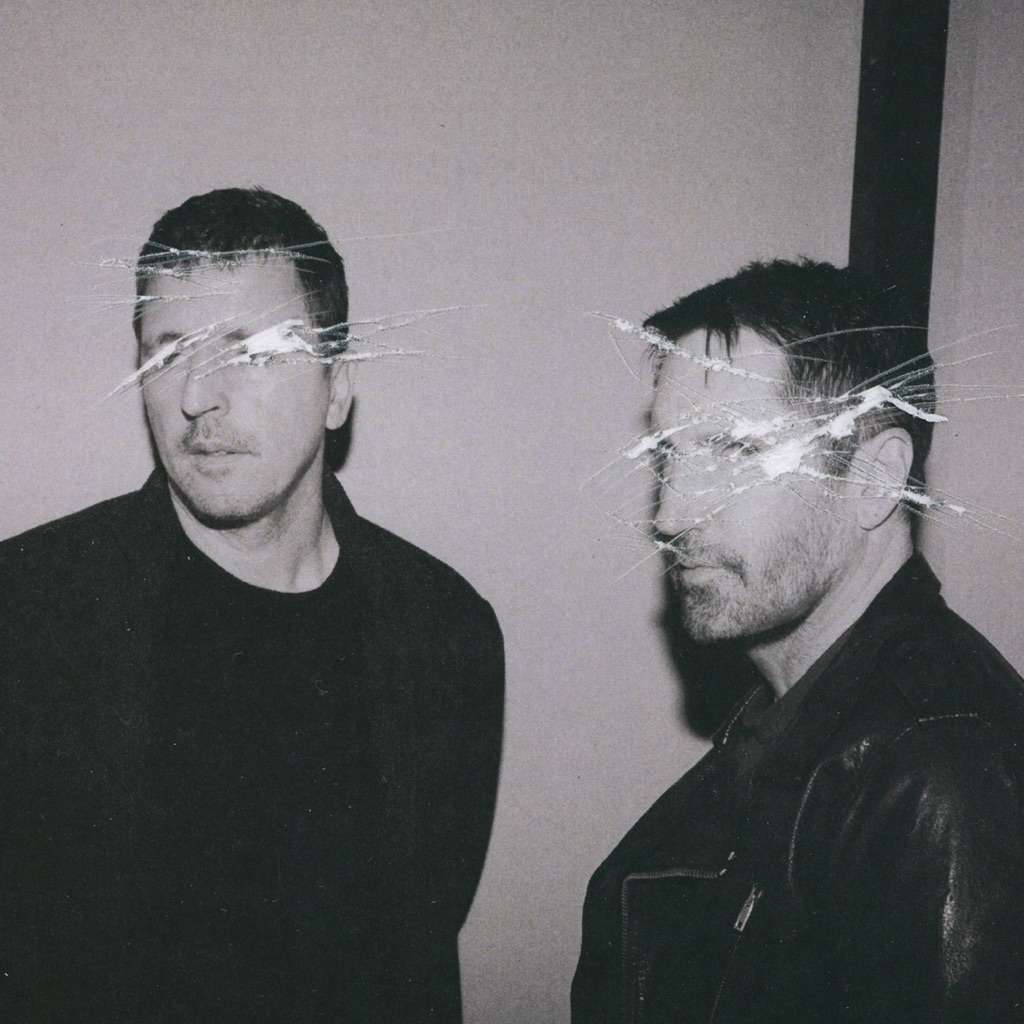
- 7. Nine Inch Nails β 104 plays
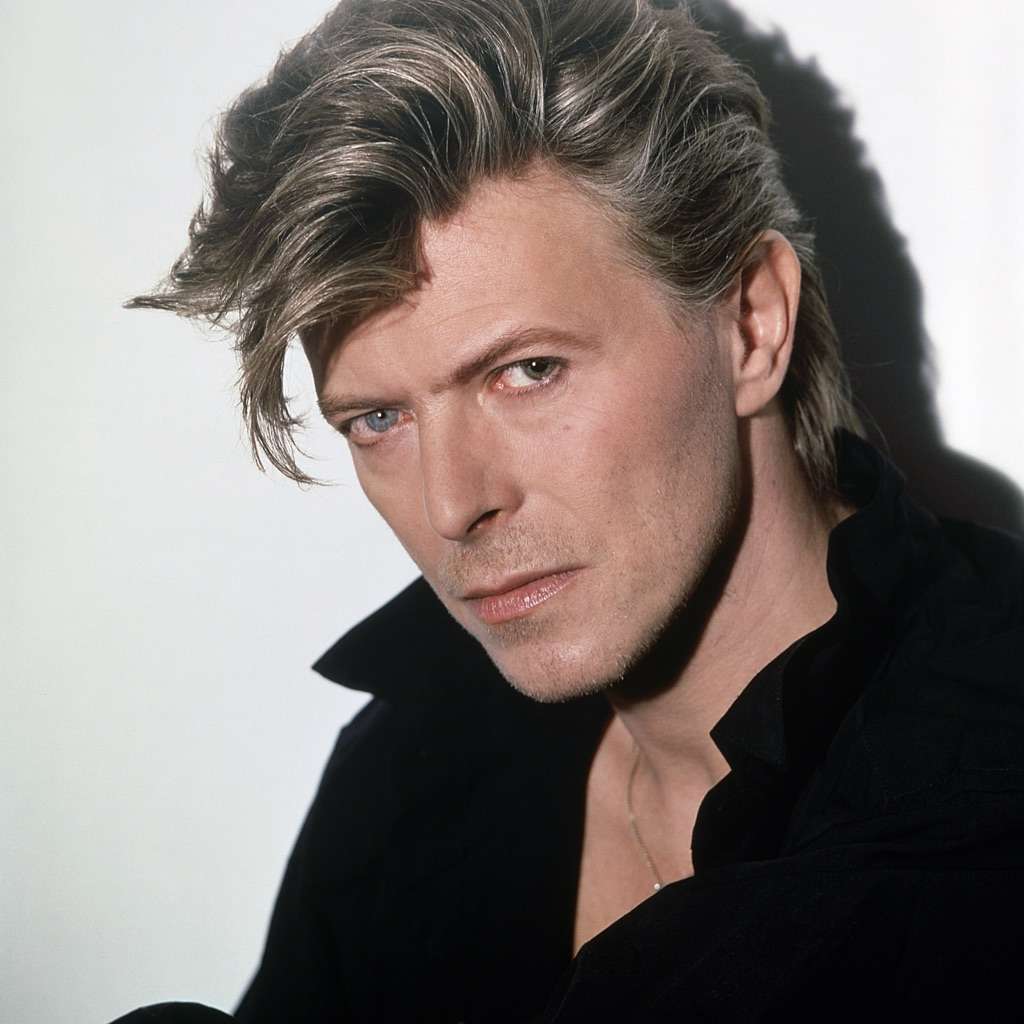
- 8. David Bowie β 103 plays
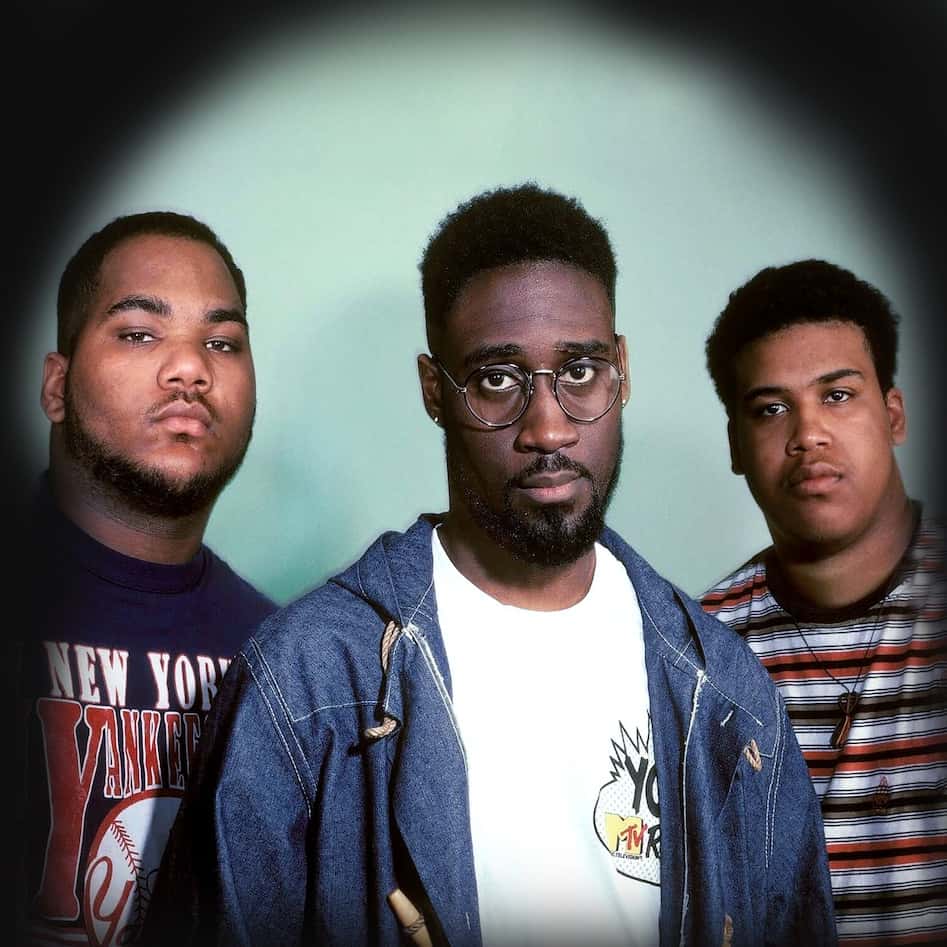
- 9. De La Soul β 101 plays
- 10. Bruce Springsteen β 100 plays
View artists 11-25
- 11. Stars β 99 plays
- 12. James β 97 plays
- 13. Genesis β 91 plays
- 14. Rush β 91 plays
- 15. Steven Wilson β 89 plays
- 16. The Style Council β 85 plays
- 17. Madness β 83 plays
- 18. Tears for Fears β 80 plays
- 19. Gary Numan β 78 plays
- 20. Stereolab β 76 plays
- 21. Doves β 75 plays
- 22. Kate Bush β 74 plays
- 23. Oceansize β 73 plays
- 24. Split Enz β 73 plays
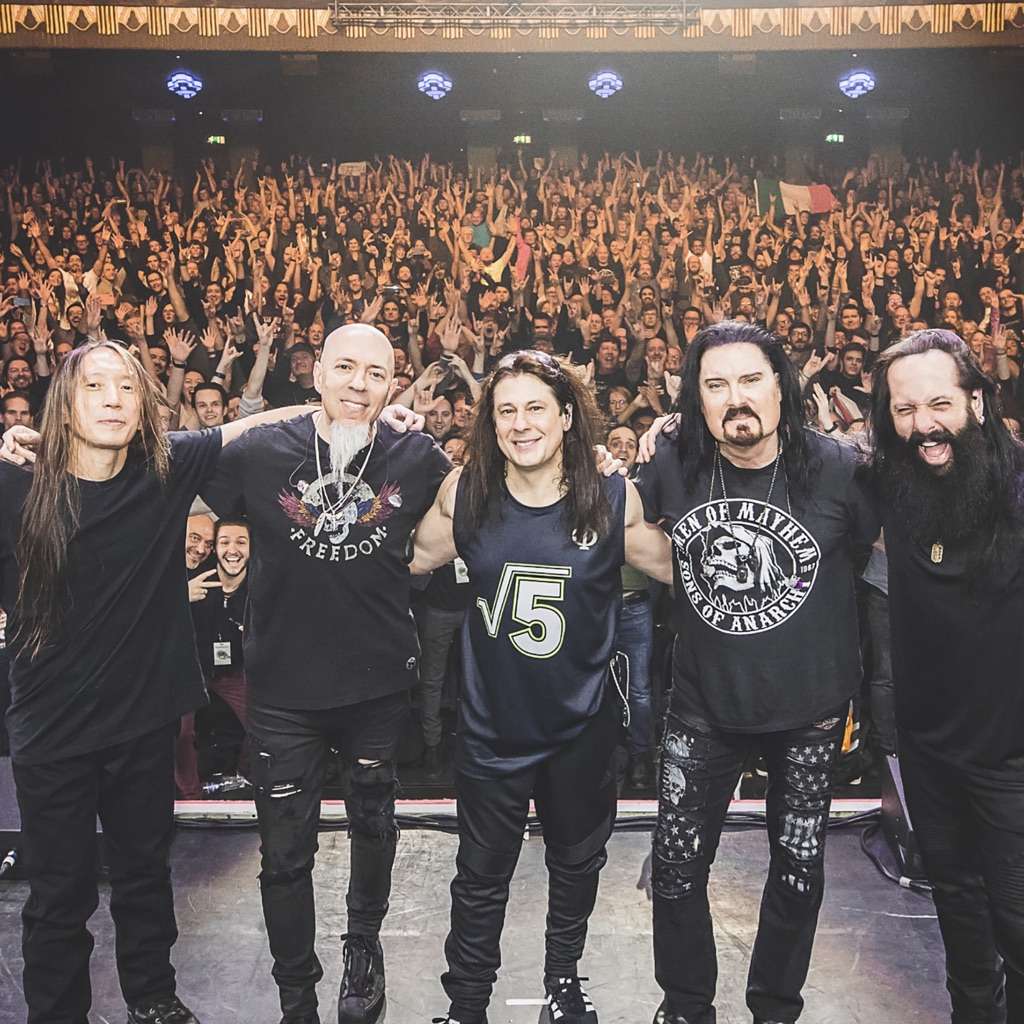
- 25. Dream Theater β 72 plays
Top 50 Albums
- π₯ Songs from the Big Chair by Tears for Fears β 6 plays
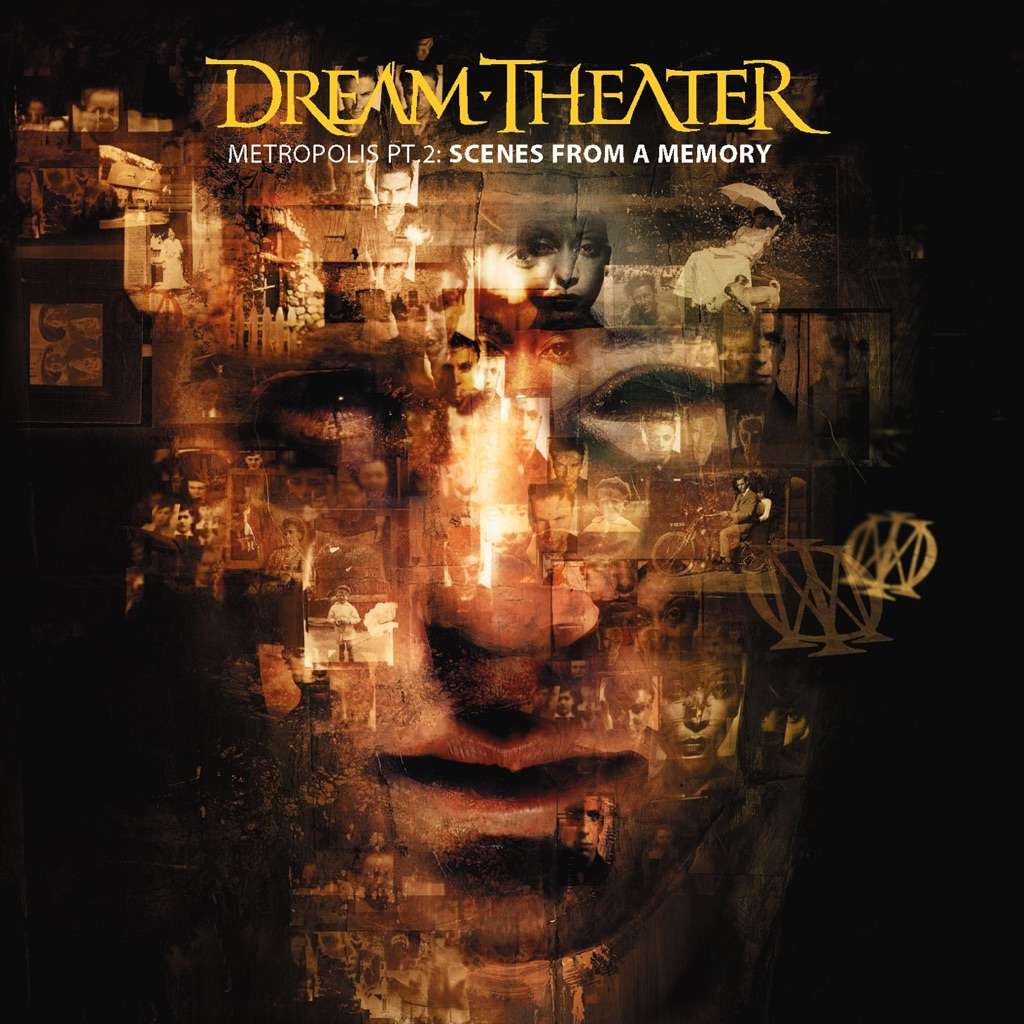
- π₯ Metropolis Pt. 2: Scenes From a Memory by Dream Theater β 6 plays
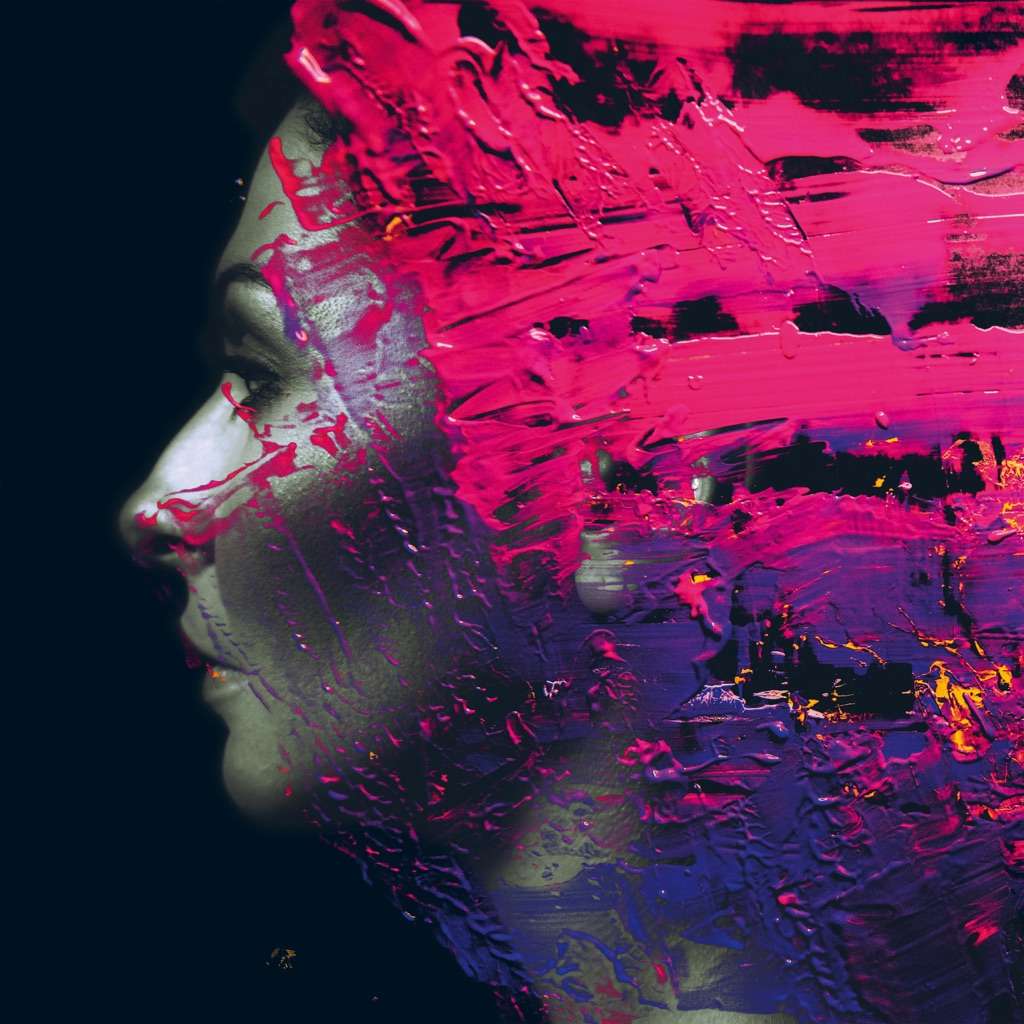
- π₯ Hand. Cannot. Erase. by Steven Wilson β 5 plays
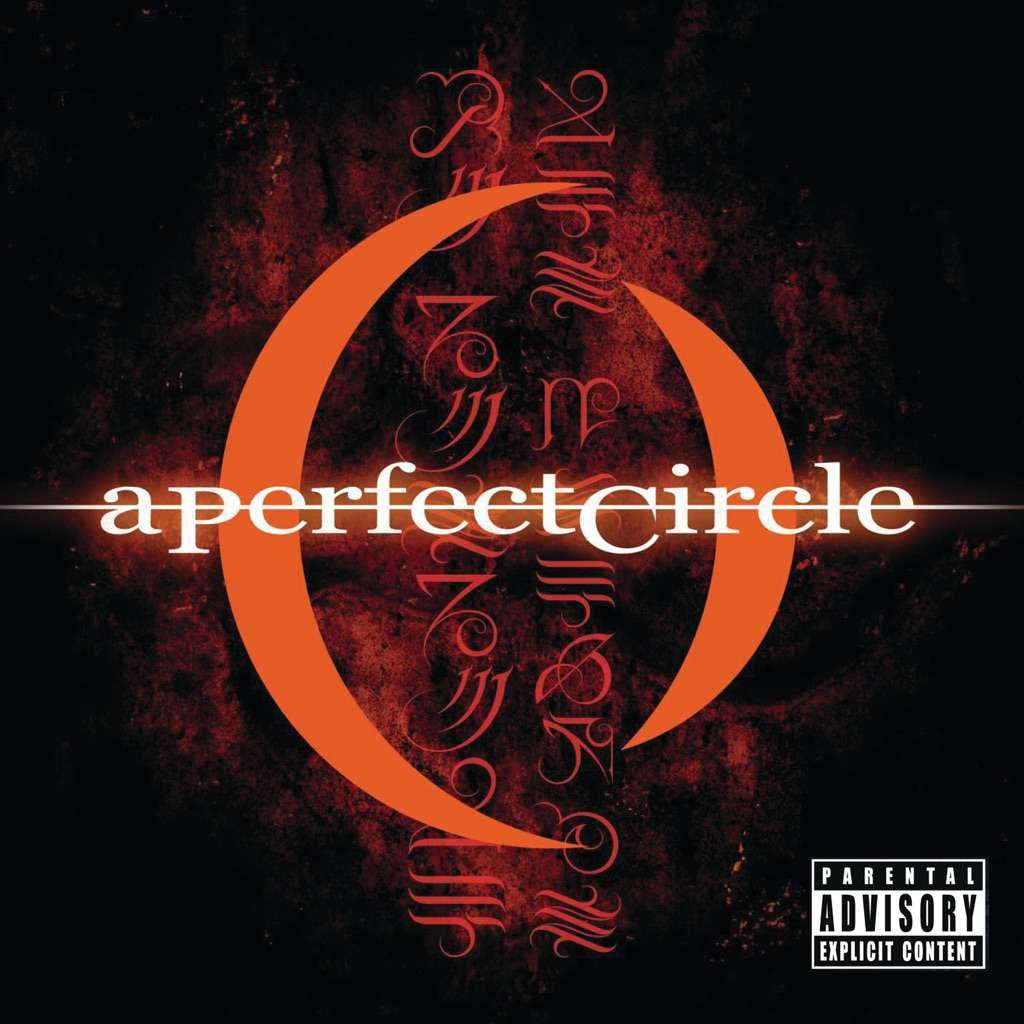
- 4. Mer de noms by A Perfect Circle β 5 plays
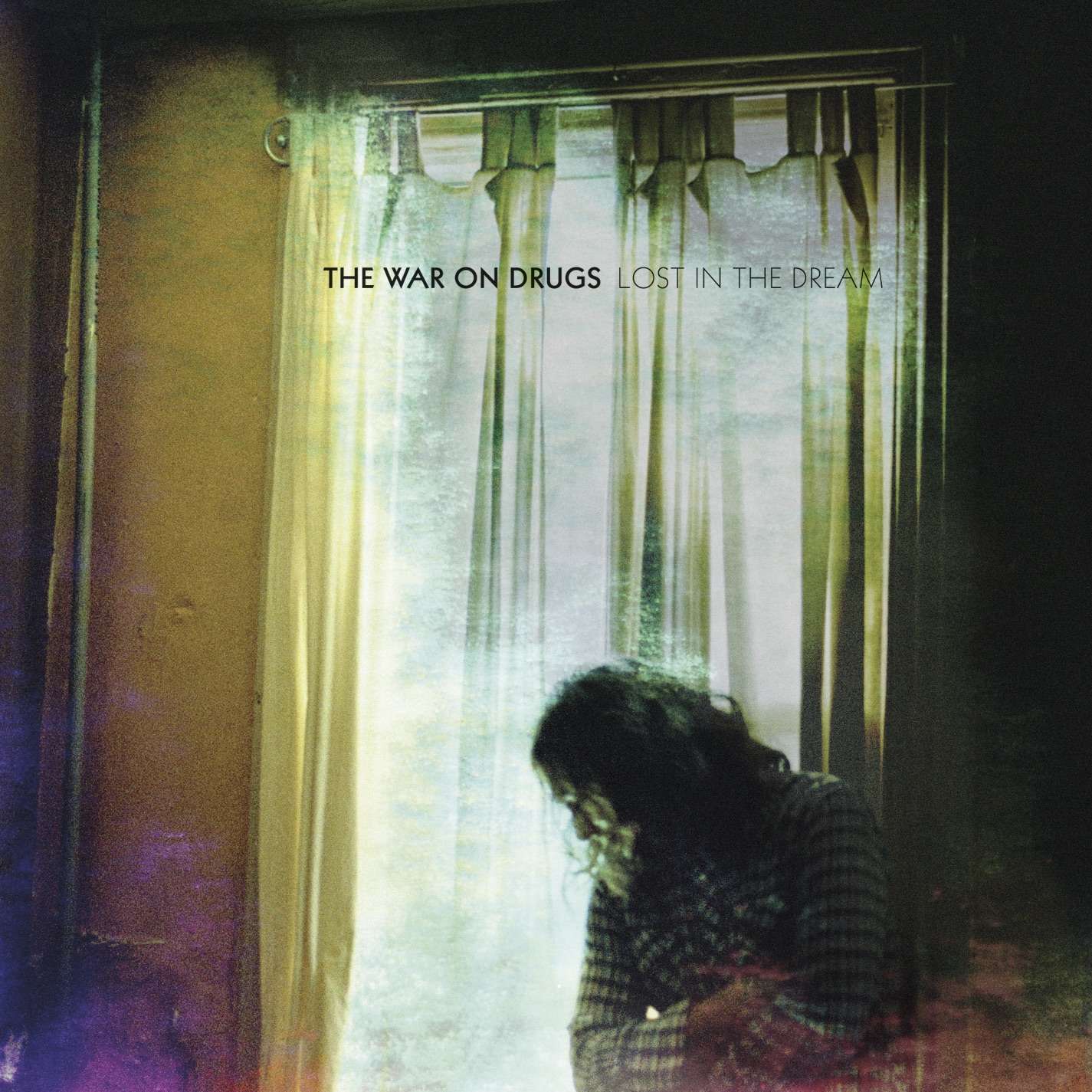
- 5. Lost in the Dream by The War on Drugs β 5 plays
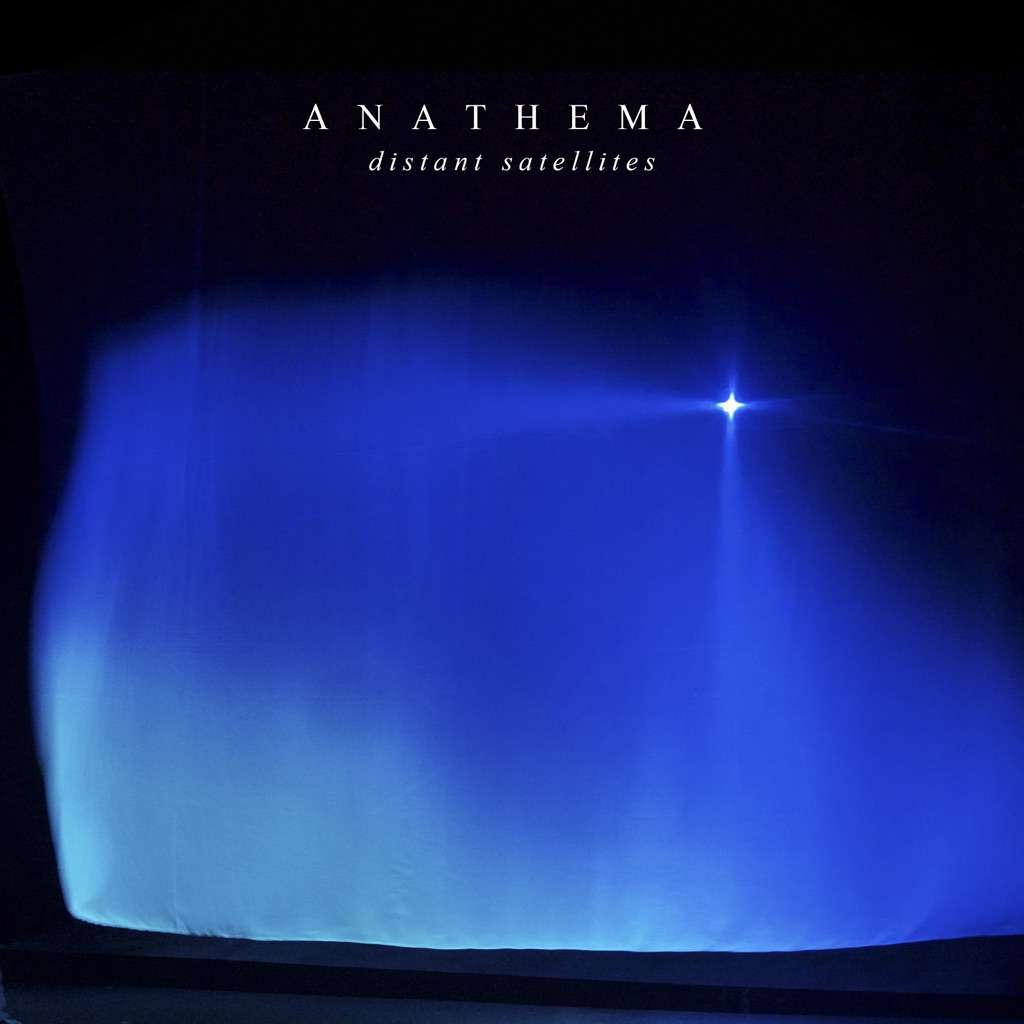
- 6. Distant Satellites by Anathema β 5 plays
- 7. Substance by New Order β 5 plays
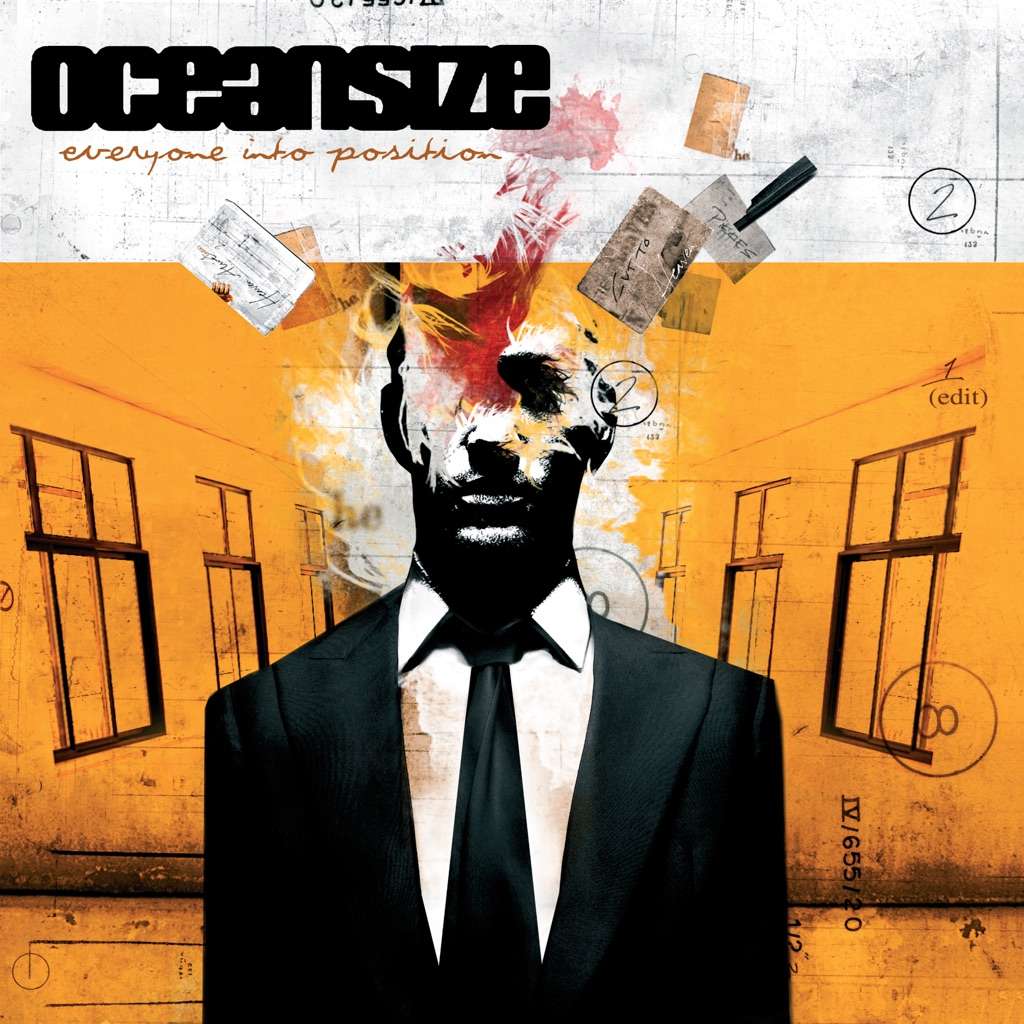
- 8. Everyone Into Position by Oceansize β 5 plays
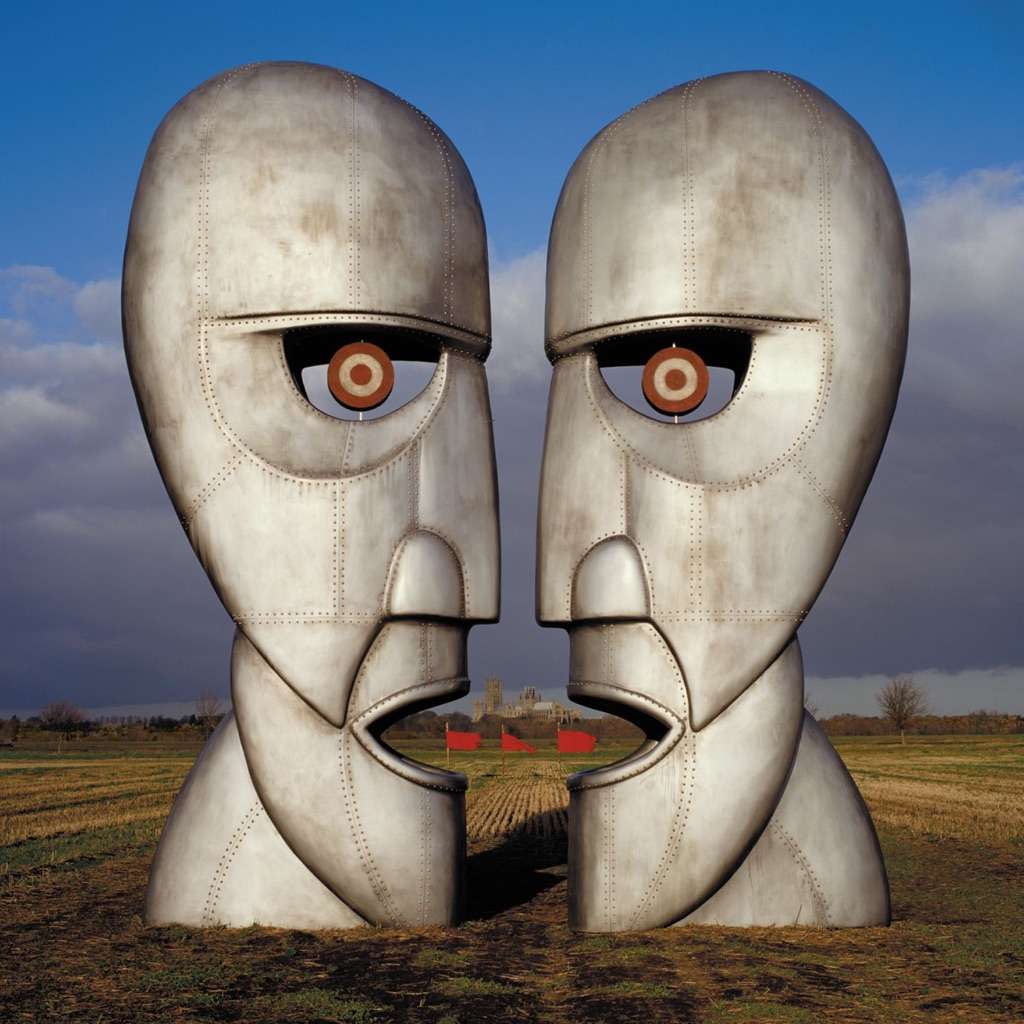
- 9. The Division Bell by Pink Floyd β 5 plays
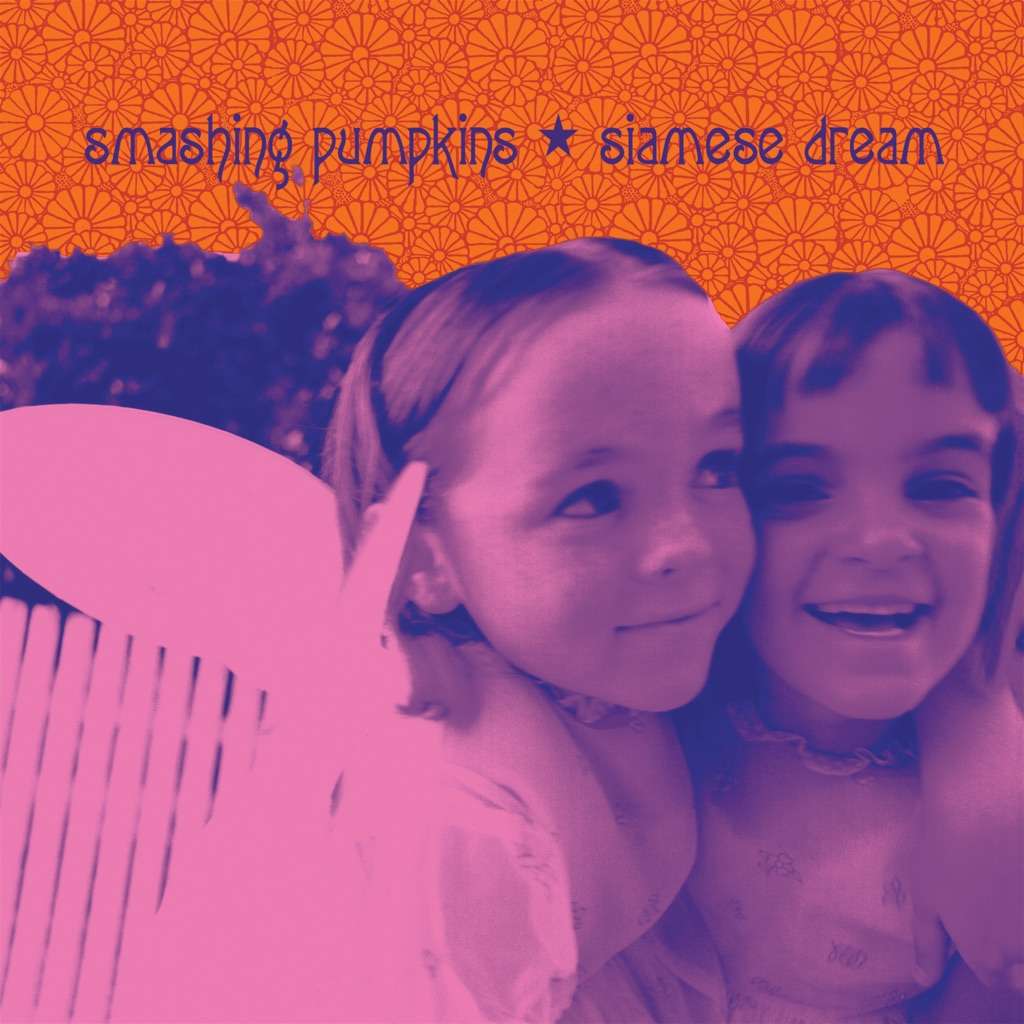
- 10. Siamese Dream by The Smashing Pumpkins β 5 plays
View albums 11-50
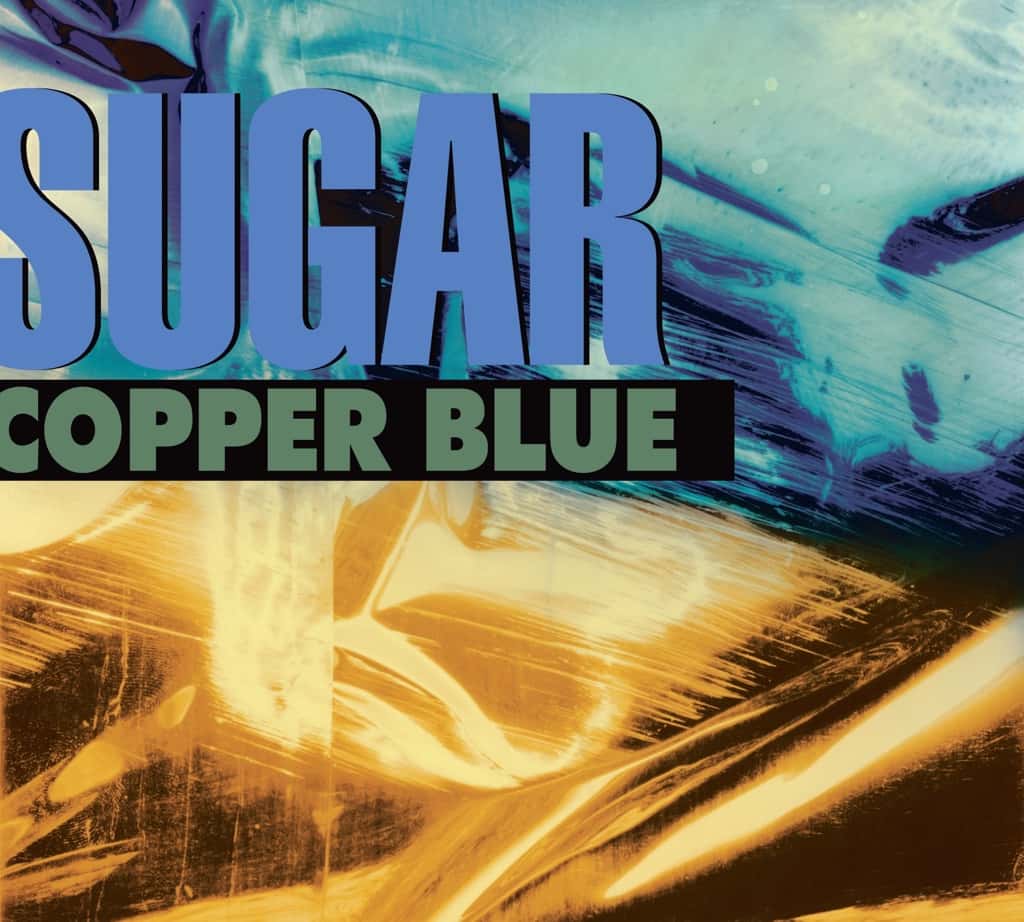
- 11. Copper Blue by Sugar β 4 plays
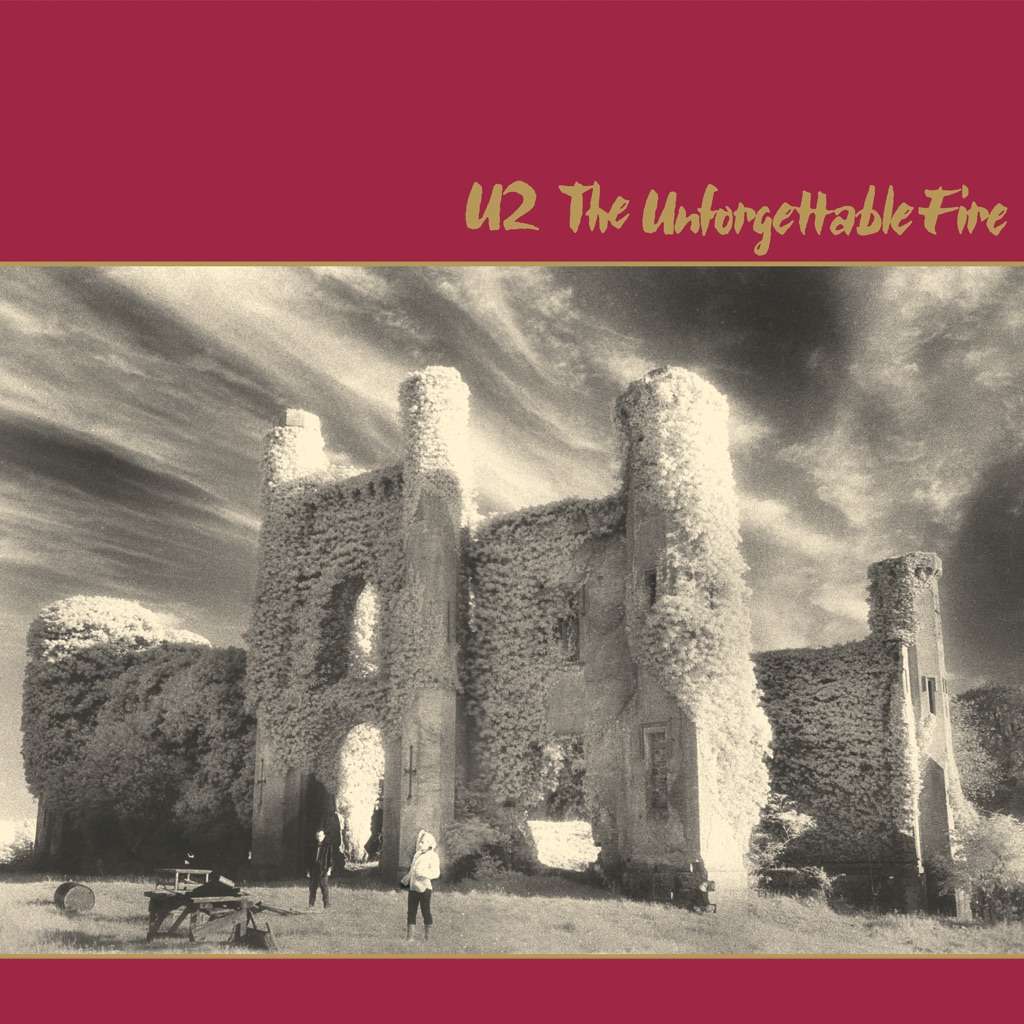
- 12. The Unforgettable Fire by U2 β 4 plays
- 13. Hounds of Love by Kate Bush β 4 plays
- 14. Kid A by Radiohead β 3 plays
- 15. Aja by Steely Dan β 3 plays
- 16. Bellybutton by Jellyfish β 3 plays
- 17. Mellon Collie and the Infinite Sadness by The Smashing Pumpkins β 3 plays
- 18. Heathen by David Bowie β 3 plays
- 19. Peaches: The Very Best of the Stranglers by The Stranglers β 3 plays
- 20. Turn It On Again - The Hits by Genesis β 3 plays
- 21. Best Of by Bruce Springsteen β 3 plays
- 22. Temple Of Low Men by Crowded House β 3 plays
- 23. Cosmic Thing by The B-52βs β 3 plays
- 24. Angel Dust by Faith No More β 3 plays
- 25. Whispering Jack by John Farnham β 3 plays
- 26. Begin to Hope by Regina Spektor β 3 plays
- 27. So by Peter Gabriel β 3 plays
- 28. A Momentary Lapse of Reason by Pink Floyd β 3 plays
- 29. Greatest Hits by The Police β 3 plays
- 30. 40oz. To Freedom by Sublime β 3 plays
- 31. The Pleasure Principle by Gary Numan β 3 plays
- 32. Set Yourself On Fire - 20th Anniversary Edition by Stars β 3 plays
- 33. Long Hot Summers / The Story Of The Style Council by The Style Council β 3 plays
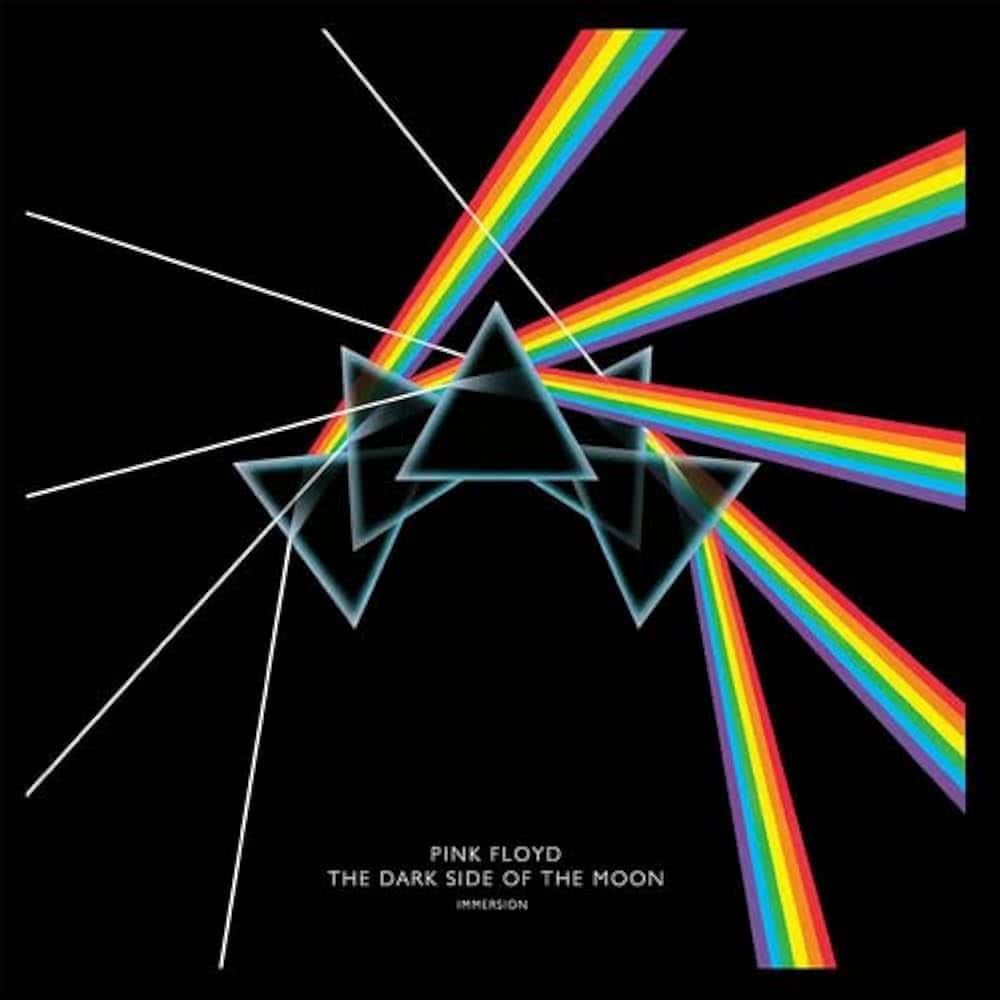
- 34. The Dark Side of the Moon by Pink Floyd β 3 plays
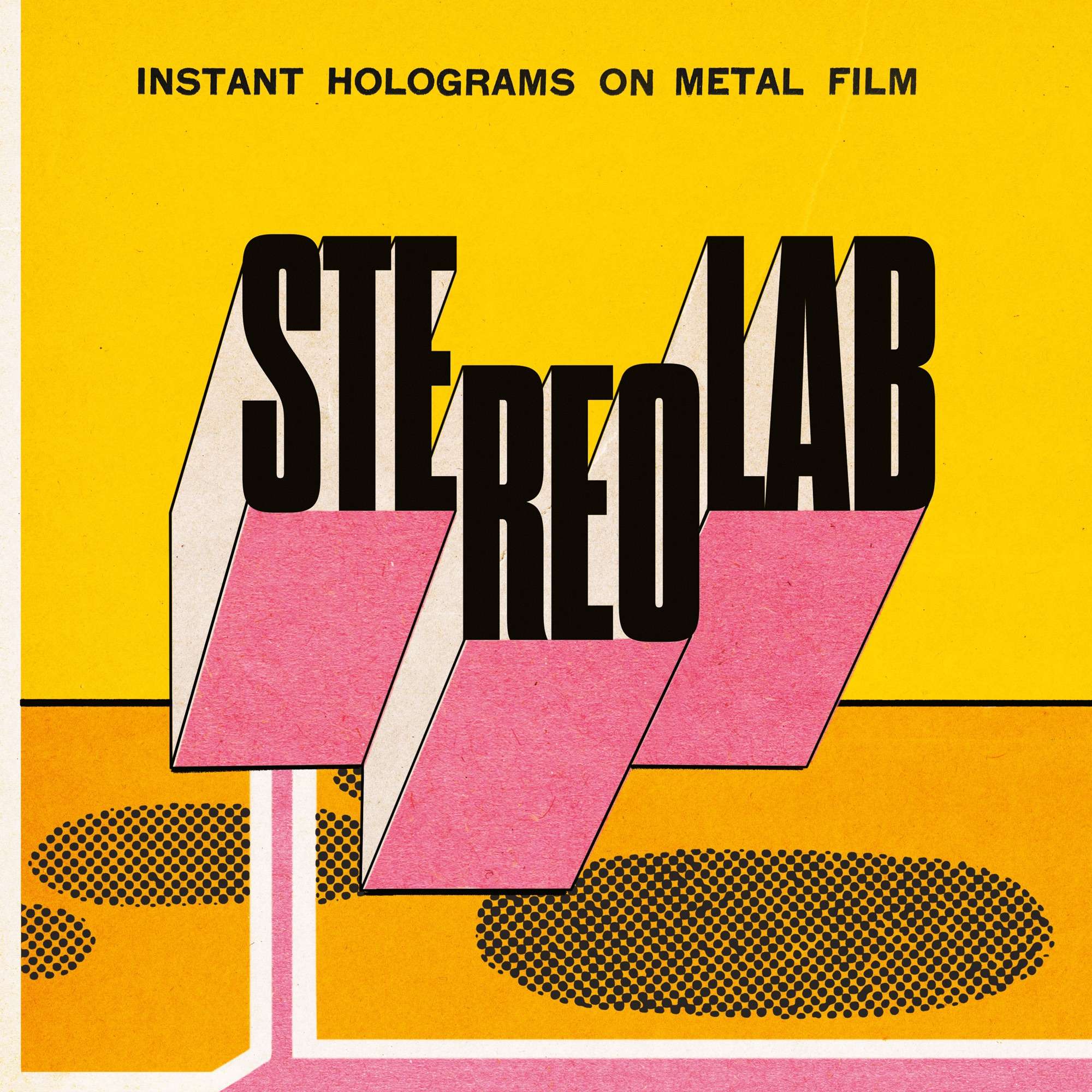
- 35. Instant Holograms On Metal Film by Stereolab β 3 plays
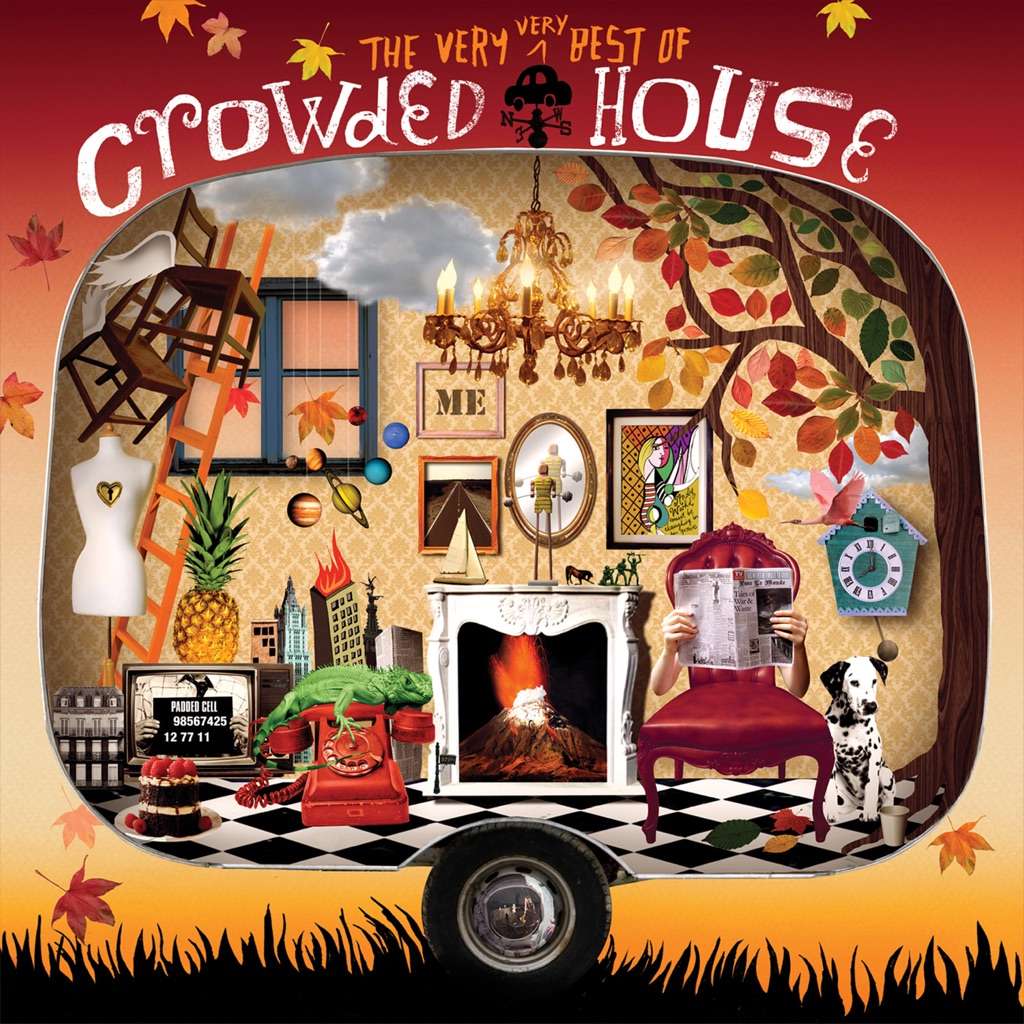
- 36. The Very Very Best of Crowded House by Crowded House β 3 plays
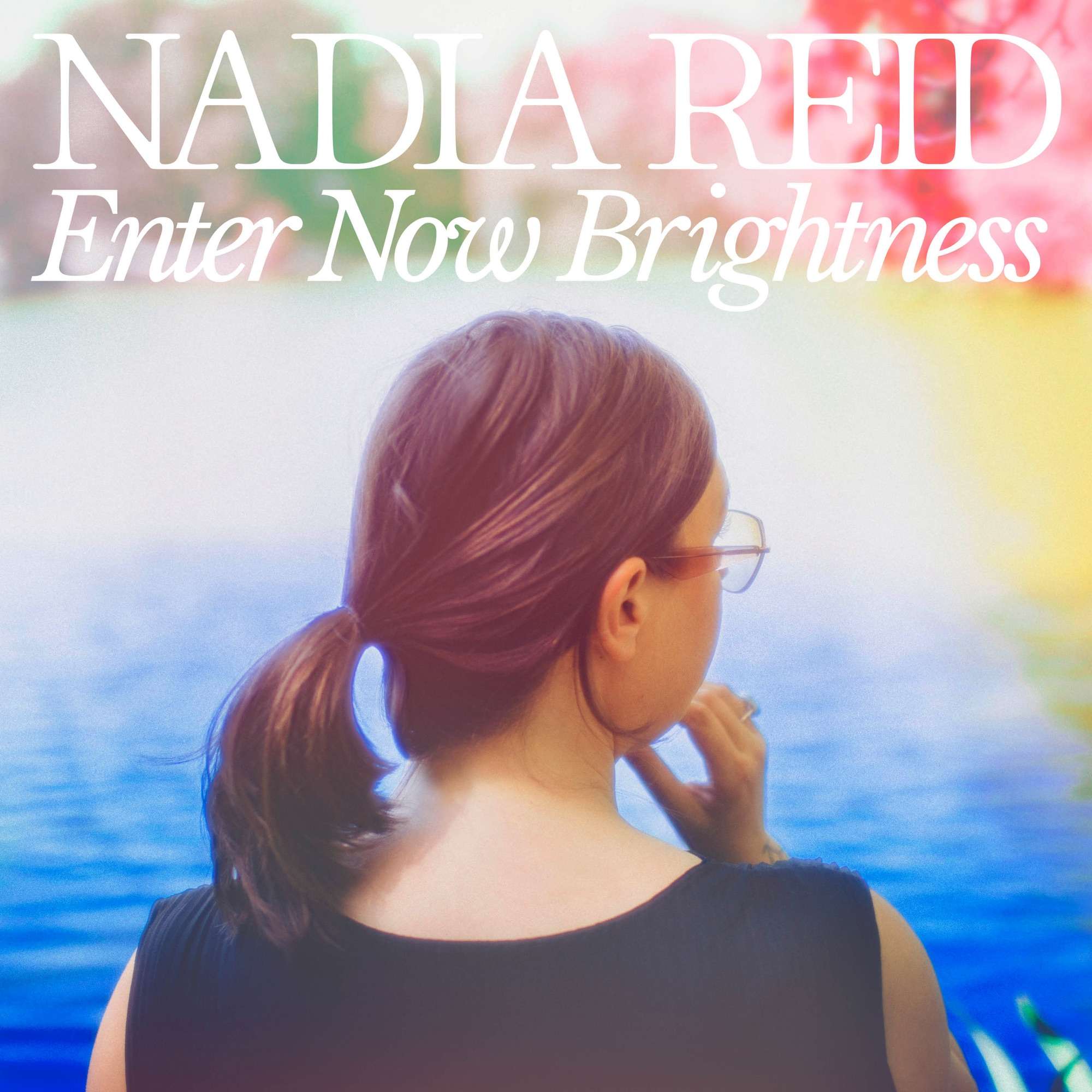
- 37. Enter Now Brightness by Nadia Reid β 3 plays
- 38. Heard Noises by Matt Berry β 3 plays
- 39. Generation Terrorists by Manic Street Preachers β 2 plays
- 40. Dopes to Infinity by Monster Magnet β 2 plays
- 41. Graceland by Paul Simon β 2 plays
- 42. Songs in the Key of Life by Stevie Wonder β 2 plays
- 43. The Best of The Pogues by The Pogues β 2 plays
- 44. Leisure by Blur β 2 plays
- 45. The Wall by Pink Floyd β 2 plays
- 46. Souvlaki by Slowdive β 2 plays
- 47. Moving Pictures by Rush β 2 plays
- 48. Orbital by Orbital β 2 plays
- 49. Nothing Has Changed by David Bowie β 2 plays
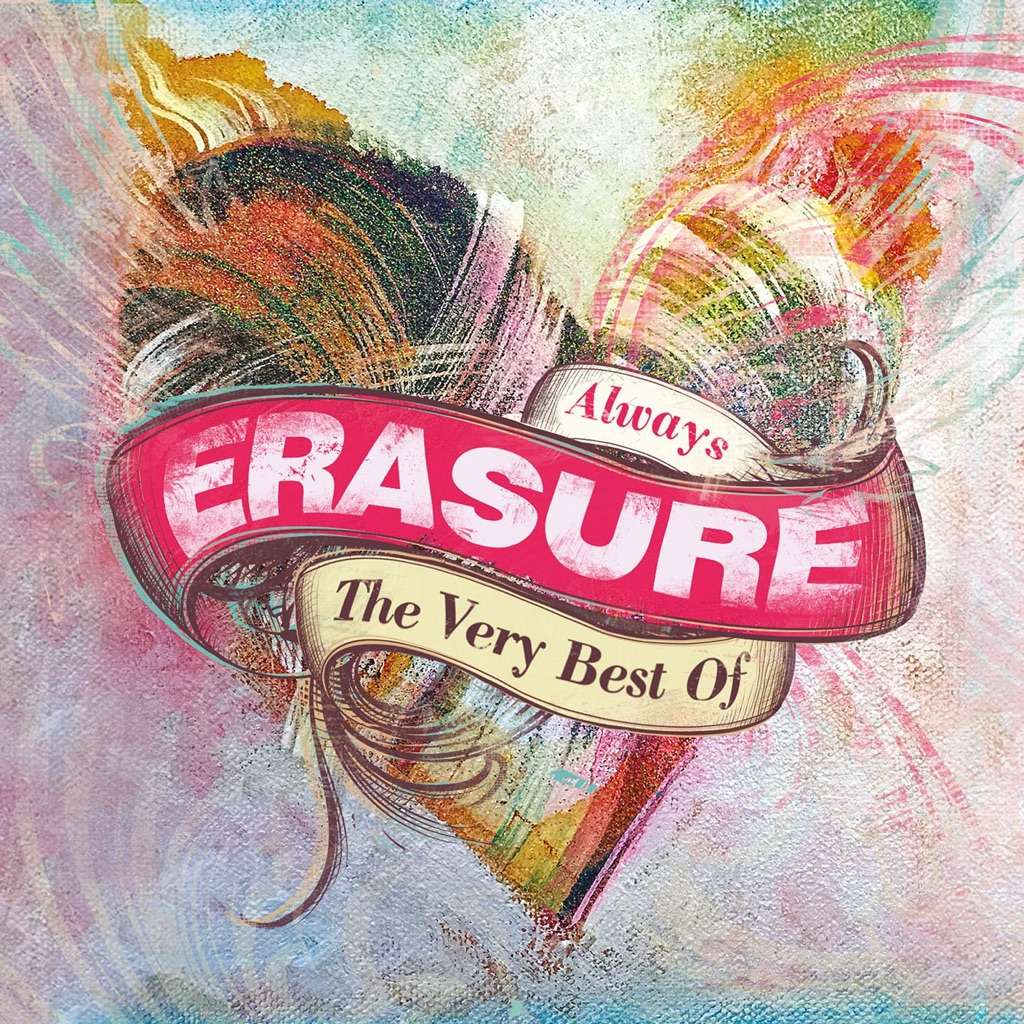
- 50. Always by Erasure β 2 plays
Monthly Breakdown
Heres how my listening habits shifted throughout the year:
Most active month: January (1,051 plays)
Quietest month: September (283 plays)
Best quarter: Q1 (Jan-Mar) (2,575 plays)
View monthly data as table
| Month | Plays | Above Average |
|---|---|---|
| January | 1,051 | β |
| February | 783 | β |
| March | 741 | β |
| April | 492 | |
| May | 620 | |
| June | 856 | β |
| July | 1,028 | β |
| August | 368 | |
| September | 283 | |
| October | 961 | β |
| November | 766 | β |
| December | 687 |
Genre Breakdown
My top genres based on album metadata from my collection:
View as text list
- 1. Rock β 516 plays (6%)
- 2. Alternative β 281 plays (3.3%)
- 3. Pop β 241 plays (2.8%)
- 4. Adult Alternative β 208 plays (2.4%)
- 5. Alternative Rock β 164 plays (1.9%)
- 6. Electronic β 143 plays (1.7%)
- 7. Indie Rock β 129 plays (1.5%)
- 8. Pop Rock β 114 plays (1.3%)
- 9. Pop/Rock β 113 plays (1.3%)
- 10. Prog-Rock/Art Rock β 99 plays (1.1%)
Hidden Gems
These albums might not have topped the charts, but they earned a special place in my rotation:
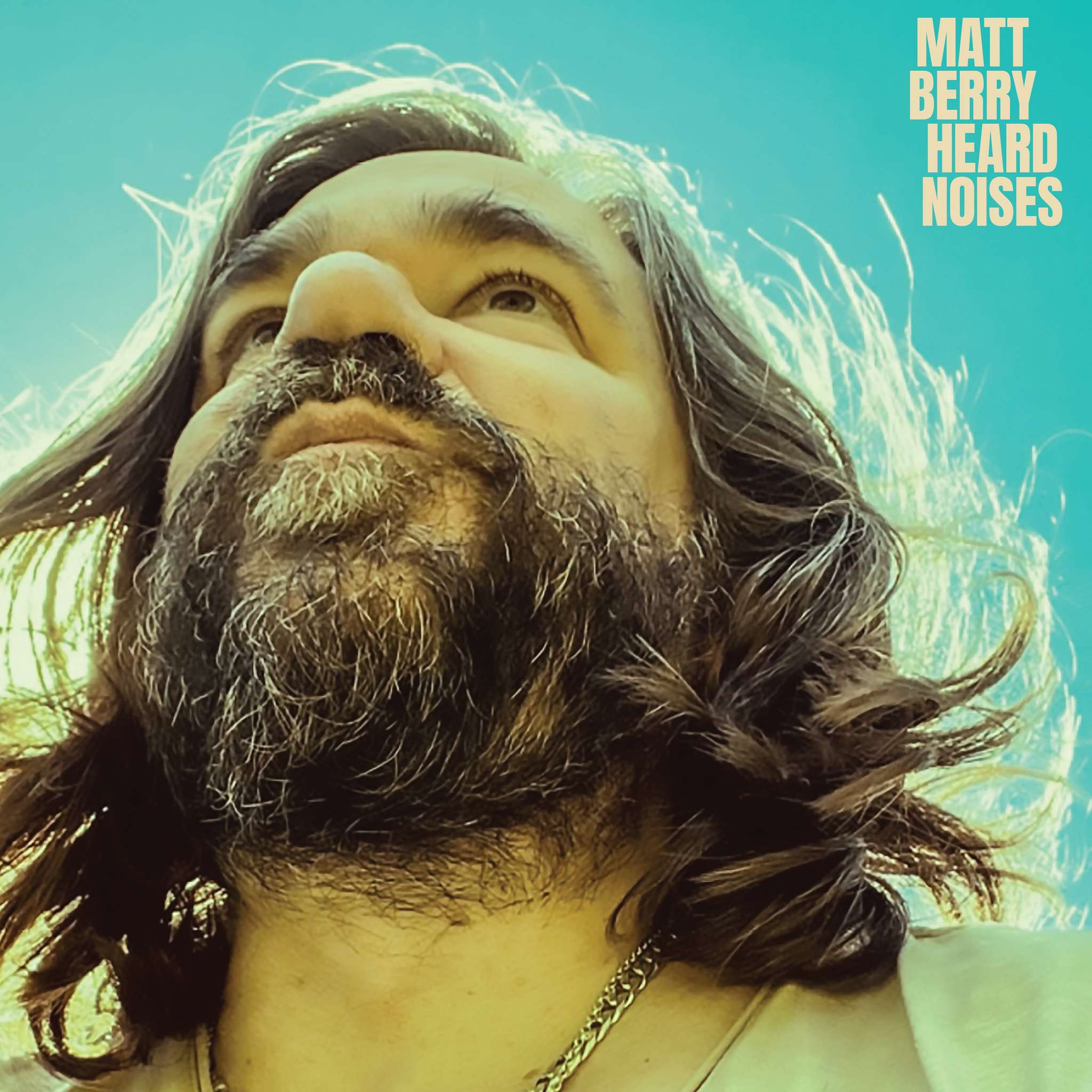
- βHeard Noisesβ by Matt Berry
- βEnter Now Brightnessβ by Nadia Reid
- βThe Very Very Best of Crowded Houseβ by Crowded House
- βInstant Holograms On Metal Filmβ by Stereolab
- βThe Dark Side of the Moonβ by Pink Floyd
- βAlwaysβ by Erasure
New Discoveries (Released in 2025)
These albums were released in 2025 and made their way into my rotation:
- βInstant Holograms On Metal Filmβ by Stereolab
- βEnter Now Brightnessβ by Nadia Reid
- βHeard Noisesβ by Matt Berry
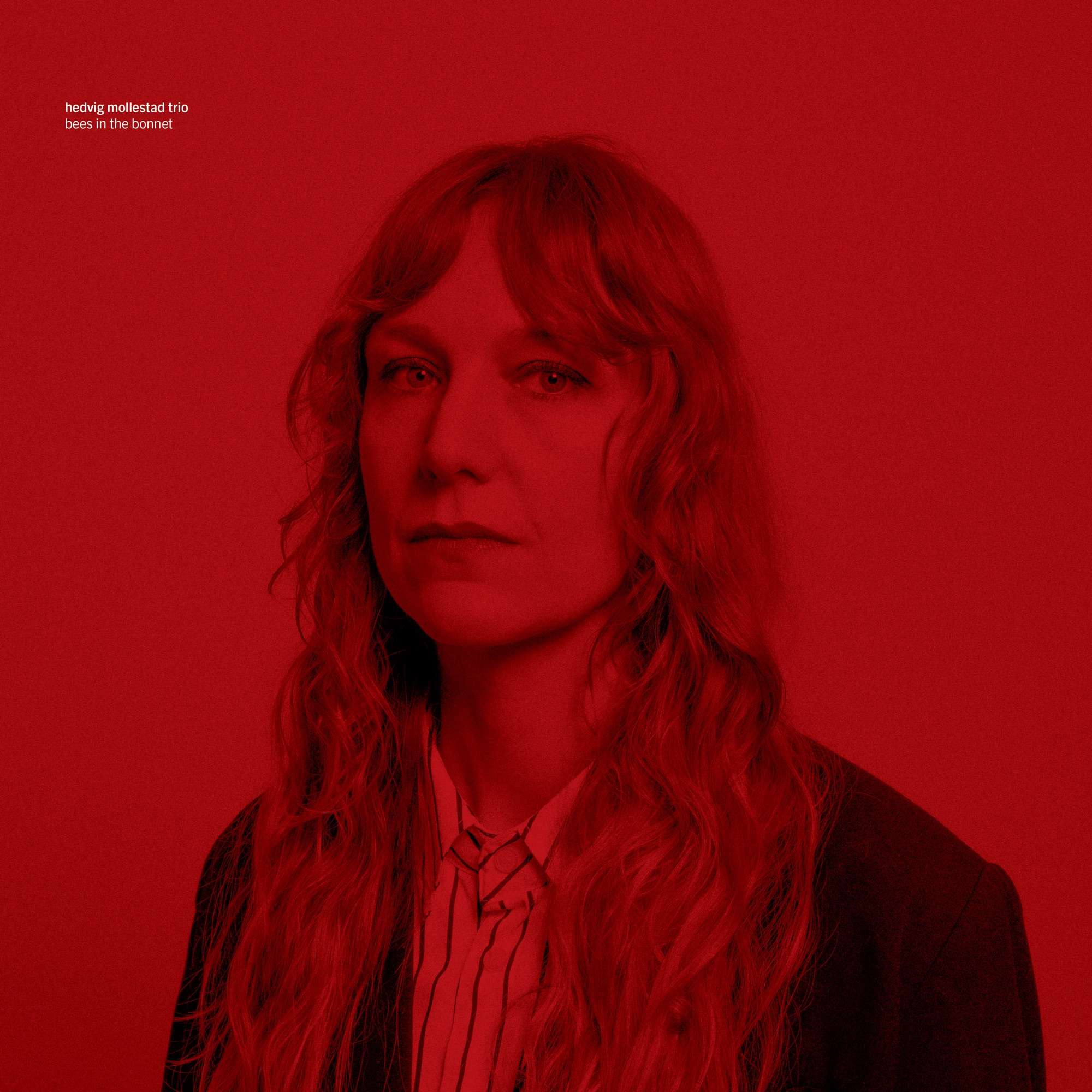
- βBees In The Bonnetβ by Hedvig Mollestad Trio
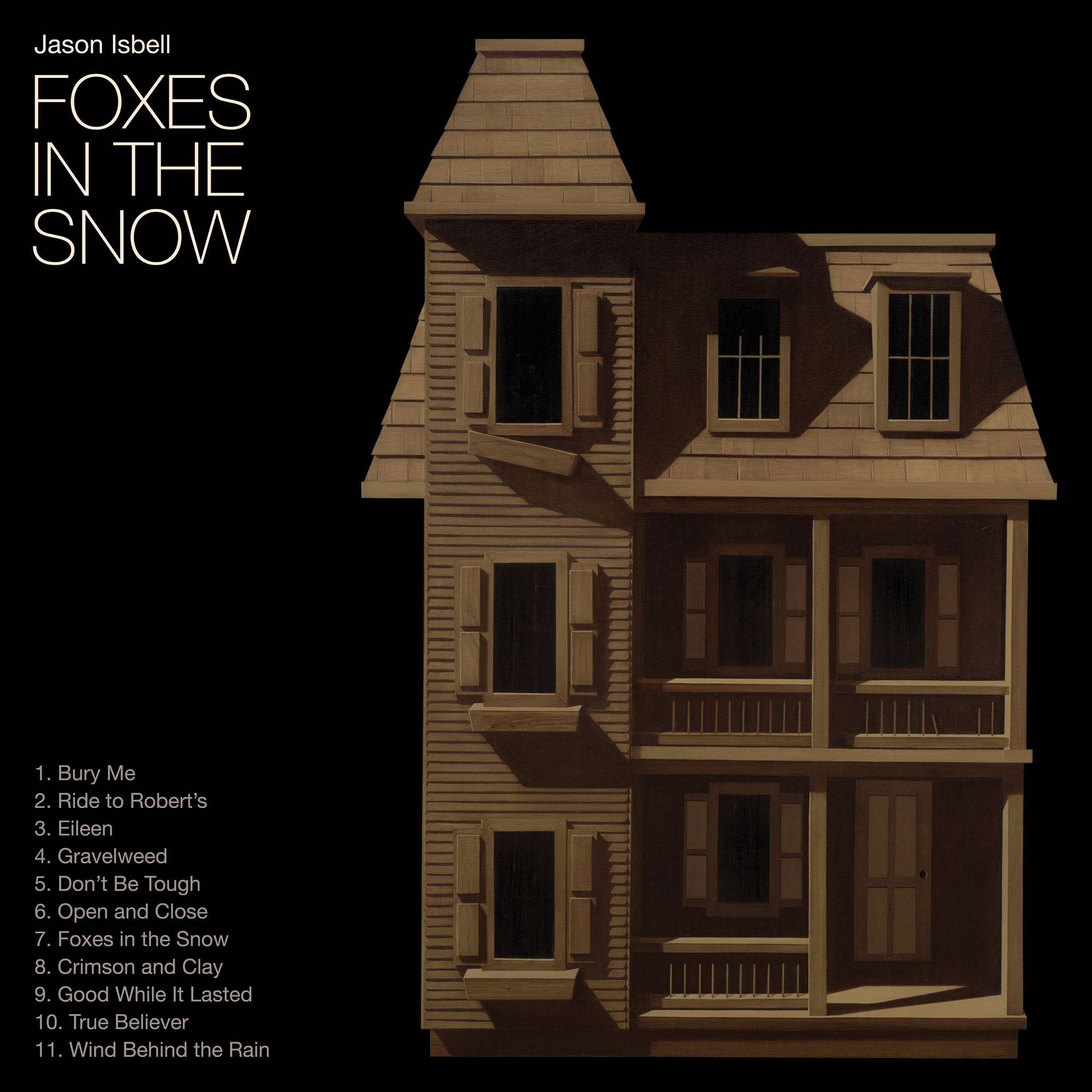
- βFoxes in the Snowβ by Jason Isbell
Featured Albums
Songs from the Big Chair by Tears for Fears π§
6 plays in this year
Recording & creation ποΈ
Released in 1985, Songs from the Big Chair was Tears for Fearsβ deliberate leap from the claustrophobic synthβpop of The Hurting to a widescreen, arenaβready sound. The title comes from the 1976 TV film Sybil β the βbig chairβ as a therapy trope β which reflects the bandβs ongoing fascination with psychology and primalβscream ideas. Production was led by Chris Hughes with heavy creative input from Roland Orzabal and Ian Stanley; sessions stretched over months as songs were built, deconstructed and rebuilt. Fun fact: βEverybody Wants to Rule the Worldβ was the last song written for the album and came together in about a week, while other tracks ran over six minutes and forced the band to pare the vinyl to just eight expansive pieces.
Sound & style β what makes it distinctive πΉ
What sets the album apart is its hybrid identity: synthβpop/newβwave sensibilities married to popβrock dynamics. It keeps layered synth pads, arpeggios and sequenced patterns at its core, but overlays them with jangly guitars, live bass and drumming β producing warmth and a human pulse that pure synth records often lacked. The arrangements favor big choruses and dramatic builds (listen to the slow escalation of βShoutβ), yet the lyrics keep an introspective and political edge: power and corruption in βEverybody Wants to Rule the World,β catharsis in βShout,β and tenderness in βI Believe.β The albumβs bookending of βBrokenβ and βHead Over Heelsβ shows their artful use of motifs and sequencing, almost like personalities occupying the same βbig chair.β
Production aesthetics & synth palette βοΈ
Midββ80s studio polish is all over the record: gated reverb drums, roomy digital reverbs, tightly programmed sequences and multiβlayered synth textures. Rather than replacing traditional instruments, synths provide atmosphere, hooks and rhythmic scaffolding β pads for emotional swells, arpeggiated lines for momentum, and melodic synth leads that sit beside guitar lines. The production balances electronic precision with live energy, giving the album both sheen and soul.
Reception, MTV & legacy πΊ
Commercially it was a breakthrough: multiβplatinum sales worldwide, US No.1 and prolonged chart life in the UK. Singles β especially βShoutβ and βEverybody Wants to Rule the Worldβ β became MTV staples; their videos translated the bandβs psychological seriousness into cinematic, accessible images and widened their audience. Over time the album has become a landmark of 1980s pop: a template for marrying thoughtful, darker themes to radioβfriendly production and a touchstone for later artists who mined the emotional, synthβforward β80s sound.
Metropolis Pt. 2: Scenes From a Memory β Dream Theater π
6 plays in this year
Recording history & the DIY turn ποΈ
Dream Theater turned a longβrunning fan rumor into a full album: the βPart Iβ tag on 1992βs βMetropolisβPart I: The Miracle and the Sleeperβ became the seed. After a tense, labelβinfluenced period around Falling Into Infinity, the band pushed for full creative control. They returned to BearTracks Studios (where Images and Words was made), selfβproduced the record, and used a handsβon studio approachβtracking live interplay, then layering intricate soundβdesign (hypnosis snippets, radio static, spoken parts). A key moment was adding Jordan Rudess (fresh from Liquid Tension Experiment): his arrival changed the bandβs harmonic palette and helped the group write with more textural daring. Fun studio lore: during the FII era theyβd already sketched a sprawling 21βminute βMetropolis Pt. 2β demo that the label wouldnβt allow on that recordβso the idea simmered until 1999 when Elektra finally gave them free rein.
Musical style & how the chops serve the story πΈ
This is progressive metal at its most cinematic: heavy riffing and odd meters sit alongside piano ballads, leitmotifs, and recurring melodic fragments. Instead of virtuosity for its own sake, solos and technical passages are choreographed to character and scene β βOverture 1928β sets themes, βStrange DΓ©jΓ Vuβ carries emotional revelations, and βThe Dance of Eternityβ works as a dramatic, disorienting interlude. The band balances muscular metal dynamics with acoustic tenderness and theatrical pacing; the technical fireworks underline tension, confusion, and catharsis rather than just showboating.
Reception, legacy & influence π
Released October 26, 1999, Scenes from a Memory didnβt crash pop charts but earned instant cult status in prog/metal circles. Critics and fans later hailed it as a modern classic; Dream Theaterβs Metropolis 2000 tour (complete with actors and staged theatrics) turned the album into a theatrical live experience. Over decades itβs become a reference point for narrative metal β influencing countless prog, djent, and technical metal bands β and cemented Rudess as a core voice in the band. Anniversary tours and live reproductions show its durability.
How it fit into the 1990s landscape π§
Stylistically it sat apart from grunge and altβrockβs stripped, antiβvirtuoso ethos, but it shared the decadeβs DIY/indie spirit: after label meddling the band reclaimed artistic control and delivered an albumβoriented, introspective work. Rather than chasing singles or trends, Scenes responded to the 90sβ musical diversity by doubling down on longβform storytelling, psychological themes (hypnosis, reincarnation, identity), and studio craftβproving there was room in the era for ambitious, technically daring albums that prioritize narrative and emotion.
Hand. Cannot. Erase. by Steven Wilson π§
5 plays in this year
Recording & creation: how the album came together π οΈ
Released in early 2015 on Kscope, Hand. Cannot. Erase. grew out of Steven Wilsonβs fascination with a true, haunting story β Joyce Carol Vincent, a young London woman who died and remained undiscovered for over two years. Wilson built a loose life-narrative around that idea: a womanβs life from childhood to anonymous death, threaded with memory, loss and urban loneliness. He recorded the album in and around September 2014 (AIR Studios among the locations) with his core band β Guthrie Govan (guitar), Marco Minnemann (drums), Nick Beggs (bass/stick), Adam Holzman (keys) and sparse contributions from Theo Travis. Lasse Hoile supplied the stark artwork. The sessions emphasized cinematic production and long-form songcraft (e.g., β3 Years Older,β βRoutine,β βAncestralβ), marrying meticulous studio detail with emotionally direct performances.
Musical style & genre-blending: what makes it sound like Steven Wilson πΆ
Musically itβs prog at heart but openly post-genre: art rock, alternative, electronic and even industrial textures sit alongside classic progβs dynamics and long structures. Wilson uses contemporary production β shimmering synths, tight electronic rhythms, layered guitars and orchestral touches β to shape mood as much as melody. The result is a modern, cinematic prog record: intimate piano ballads, driving rock epics, and cold urban soundscapes coexist, which makes the album feel both timeless and of-the-moment.
Reception, impact & lasting legacy π
Critics loved it β The Guardian gave five stars and many outlets praised its ambition and emotional heft β and it performed well in Europe (top 15 UK, top 5 Germany and Netherlands). Itβs widely regarded as a high point of Wilsonβs solo era and a contemporary benchmark for concept albums in the 2010s. The record helped clear a path toward his later chart-bothering efforts (To the Bone, The Future Bites) and remains a fan favorite; a 10thβanniversary half-speed remaster at Abbey Road (2025) underscored its canonical status.
Themes, streaming era resonance & compositional ambition π§
Conceptually the album interrogates loneliness in an increasingly connected culture β a woman who might have been βvisibleβ online yet vanishes unseen. That theme reads as a direct response to social-media-era alienation even if itβs not overtly political. Compositionally itβs ambitious: recurring motifs, long narrative arcs, shifting time signatures and richly arranged climaxes give it the depth of a modern miniature rock opera. Itβs proof that in the streaming age, albums can still be immersive storytelling experiences rather than mere playlists.
Mer de noms by A Perfect Circle πΈπ
5 plays in this year
Recording & creation story π§
Mer de noms began as Billy Howerdelβs home-studio project β layered guitar sketches and demos heβd been shaping after his time as a tech for Tool. He recruited Maynard James Keenan in 1999 to add vocal melodies and lyrics, and the collaboration quickly became a full band: Paz Lenchantin (bass/violin), Troy Van Leeuwen (guitars), and studio powerhouse Josh Freese on drums. Howerdel produced and arranged most of the record; Keenan treated the material as a distinct artistic outlet, not just a side project. The result was finished in early 2000 and released May 23, 2000. Fun fact: the title is French for βsea of names,β and many songs are titled after people (real or symbolic) β that naming gave the songs a character-driven, almost liturgical cast.
Sound, style and what makes it distinct π
Musically, Mer de noms sits between alternative rock, prog textures and metalβs heft, but its defining trait is restraint. Instead of nuβmetalβs constant roar, the album favors careful arrangements: interlocking guitar layers, dramatic dynamic shifts, and vocal melodies that balance aggression with fragility. Tracks like βJudithβ hit with raw fury, while β3 Librasβ shows a wide, melancholic sweep β that contrast made the album feel cinematic and meticulous. Howerdelβs production foregrounds texture and space; Maynardβs lyrics tilt toward religious questioning, character studies and existential unease.
Reception, impact and legacy π
The album debuted at No. 4 on the Billboard 200 (around 188,000 copies first week) and went platinum within months β impressive for a debut from a new βsupergroup.β Singles (βJudith,β β3 Libras,β βThe Hollowβ) got heavy radio and video play, and the band toured widely (including high-profile touring exposure) which cemented their identity as more than a side project. Critically it was praised for sophistication and seriousness. Long-term, Mer de noms opened a lane for emotionally complex, arrangement-forward rock in the 2000s and proved that precision and melody could sit beside heaviness.
Industry context, themes & how it challenged rock conventions π°οΈ
Released on the cusp of the Napster era, Mer de noms represents one of the last major CDβera debut successes β strong first-week sales showed the old model still worked, even as digital disruption loomed. Thematically, though preβ9/11, its anxiety, doubt and religious critique resonated powerfully for millennial listeners and later felt prescient in a postβ9/11 cultural landscape. The album challenged rock norms by prioritizing craft, dynamics and mood over muscle β redefining what βheavyβ could mean and influencing quieter, more textured directions in alternative/prog rock that followed.
Lost in the Dream by The War on Drugs π§
5 plays in this year
Recording & creation story π£οΈ
Adam Granduciel wrote and produced most of Lost in the Dream after a punishing stretch of touring for Slave Ambient. The album was gestated over roughly two years (2011β2013) across home studios and small rooms in Philadelphia, New York, New Jersey and North Carolina. What stands out is the obsessive rewrite-and-overdub process: Granduciel hoarded takes, reworked arrangements and built songs layer by layer until they breathed the way he heard them. The result is essentially a Granduciel solo project in spiritβband members contributed, but he shaped the recordβs moods and textures. Fun fact: many songs grew from late-night demos and road-hotel sketches that were then expanded into near-epic tracks (see βUnder the Pressure,β almost nine minutes long).
Sound, style, and genre-blending π
Musically this album feels like an American dream viewed through a cracked windshield. It fuses heartland rockβs open-road narratives with neo-psychedelic drone, ambient washes, shimmering synth-pop textures and indie rock intimacy. What makes it distinctive is the production: dense, warm layers of guitar and synth drenched in reverb and delay, a βwall-of-soundβ that manages to be both cinematic and confessional. Thereβs a clear nod to Springsteenβs widescreen storytelling, Neil Youngβs gauzy solos and the hypnotic repetition of Spacemen 3βbut Granduciel reassembles those influences into something unmistakably modern and post-genre.
Reception, influence, and cultural context π
Released March 18, 2014 on Secretly Canadian, Lost in the Dream earned near-universal praise, appeared on many year-end lists and helped move The War on Drugs from indie favorite to mainstream critical darling (it debuted in the Top 30 on the Billboard 200). It didnβt need political sloganeering to feel of-the-momentβits themes of isolation, anxiety and longing resonated in a post-recession, hyperconnected decade. The recordβs success set a template: expansive indie records that prioritize atmosphere and emotional depth. Later bands and producers leaned into similar synth-guitar hybrids and long-form songwriting.
DIY spirit, streaming era, and legacy π
Though lavish-sounding, the albumβs creation was deeply DIYβhome recording, meticulous overdubs, and Granducielβs hands-on production. In the streaming/social media era its long tracks were a minor gamble, but standout singles like βRed Eyesβ and βUnder the Pressureβ found playlist life and drove discovery. Vinyl collectors also embraced the double-LP presentation, reinforcing the album-as-ritual in an age of singles. Today itβs considered a touchstone of 2010s indieβa record people return to for its mood, craft and the way it made βbigβ modern rock feel intimate again.