A Sonic Tapestry: From Punks Raw Edge to Psychedelic Dreams

Hits Back by The Clash 🎸


The Clashs Hits Back is not just a compilation album; its a celebration of the band’s vibrant legacy, bringing together their best tracks into an exhilarating experience. Released on September 9, 2013, this compilation stands as a carefully curated collection echoing the fervor of their live performances and the evolution of their sound throughout the late 70s and early 80s.
The Journey of Creation 🚀
The recording history of Hits Back revolves around The Clashs dynamic output from 1977 to 1982. The band partnered with various producers, including Micky Foote and Sandy Pearlman, to remaster their iconic songs from five studio albums. This compilation mirrors the energy of their legendary July 10, 1982, performance at Brixton Fair Deal, showcasing the emotional spectrum and dynamic arrangements typical of The Clashs live shows. Surviving members Mick Jones, Paul Simonon, and Topper Headon highlight the thoughtfulness behind the tracklist selection, aiming to replicate the setlist Joe Strummer would have composed, emphasizing the importance of live performance dynamics over mere hits.
Distinctive Musical Style 🎶
The musical style represented in Hits Back is quintessentially punk but also reveals The Clashs adventurous take on rock, reggae, and even dub. Tracks like “(White Man) In Hammersmith Palais” and “The Magnificent Dance” illustrate genre-bending that both honored punks rebellious roots and pushed musical boundaries. While their earlier works were driven by raw energy and a sense of urgency, their later material embraces richer sonic textures, incorporating elements from various genres that help define their expansive soundscape.
Critical and Commercial Reception ⭐
Upon its release, Hits Back received a mixed yet ultimately positive reception. Critically, it’s been heralded as an essential primer that encapsulates The Clash’s journey, with Louder Than War applauding its comprehensive approach. Commercially, the album peaked modestly across charts, suggesting its enduring appeal to dedicated fans but perhaps not breaking into wider mainstream visibility. Critics noted that it served as an affordable introduction to the band, capable of attracting new listeners to their music.
Legacy and Lasting Influence 🌍
The legacy of Hits Back shines brightly, reaffirming The Clashs pivotal role in shaping the landscape of punk and rock music. Their blend of politics and rebellion resonates through the works of subsequent generations of musicians, influencing the alt-rock of the 90s and post-punk revivalist sounds. Bands such as Rancid and The Killers have drawn upon The Clash’s ethos, balancing catchy melodies with powerful social commentary in ways that echo Strummers approach to songwriting.
Navigating Visual Music 🌟
Although Hits Back was released after the height of the MTV era, the band had a complex relationship with visual media and video music. Their iconic music videos in the 80s transformed them into visual icons, blending their audacious punk aesthetic with the new visual language required by the music video boom. This compilation album stands as a reminder of how The Clash engaged with the burgeoning music video landscape, amplifying their messages and reaching wider audiences.
DIY Ethos and Anti-Establishment Themes ✊
A hallmark of The Clash’s music is their unwavering DIY ethos and anti-establishment themes. Throughout Hits Back, songs like “Know Your Rights” and “Career Opportunities” confront societal norms and government authority head-on. Their music channels an urgency that reflects a genuine discontent with the status quo, making it timeless and consistent with the punk spirit that sought to challenge and redefine mainstream pop culture.
In conclusion, Hits Back not only celebrates the rich history of The Clash but also serves as a testament to their enduring influence on music and culture. It’s an essential listening experience for those wanting to grasp the powerful narrative of one of punks greatest bands.
Play More Music by Consolidated 🎶


Album Creation and Recording History 🛠️
Play More Music is a compelling exploration of the 1990s cultural landscape, released on September 22, 1992, by Consolidated, an American electronic music group. Following their earlier efforts, Consolidated (1990) and The Myth of Rock (1991), this album distinguishes itself as a punk-era experiment in audience interaction. The band took a novel approach to recording, blending live audience snippets with traditional studio recordings, effectively creating an engaging dialogue with fans. This technique brought a raw, electric atmosphere to the album, complete with on-stage banter and spontaneous reactions from the crowd. Songs like Tool and Die and Praxis (Bold As Love) are interspersed with provocative crowd comments, echoing the bands activist ethos. The production embodies a DIY spirit, with an emphasis on unrefined sampling, loops, and hip-hop beats that reflect their roots in the San Francisco warehouse scene.
Distinctive Musical Style and Genre 🥁
Musically, Play More Music is a rich tapestry woven from various genres, prominently including electronic, industrial, and hip-hop. Its frenetic pace merges rap vocals and rocks aggression with eclectic sampling and chaotic beats, making it a distinctive entry in the 90s music scene. Tracks tackle pressing societal issues, like animal rights and corporate greed, with slogans like “More Music Please” serving as rallying cries both for music and for political engagement. The incorporation of snippets of media soundbites and protest chants reinforces a narrative that reflects the diverse cultural climate of the decade, making the album as much a political statement as it is a collection of songs.
Critical and Commercial Reception 📊
Despite its artistic fervor and daring content, Play More Music didnt achieve substantial commercial success and often flew under the mainstream radar. Critical responses appear sparse, and while platforms like AllMusic recognize it, the lack of detailed reviews suggests it found its niche largely within industrial and electronic circles, resonating more with dedicated fans than broad audiences. The albums rawness and boldness might have posed a challenge for traditional music critics who were not ready for its uncompromising approach to social commentary and performance art.
Lasting Legacy and Influence 🌟
Even if the album didnt light up charts, it remains a critical artifact within the music community, showcasing the inherent DIY spirit characteristic of underground movements. Its blending of hip-hop and industrial sounds prefigured later hybrids in the rock genre, influencing movements like nu-metal and the crossover success of rap-rock acts. The very essence of Play More Music reflects a counterculture resisting the status quo, merging art with activism in an era defined by both grunge and rapid musical evolution. In an environment dominated by the alt-rock explosion, Consolidated created a space where music became a vehicle for political expression—one that still resonates with artists and fans drawn to its fierce authenticity today.
Greatest Hits by Ramones 🎸


The Ramones’ Greatest Hits is more than just a compilation; its a wildfire of punk rock energy that captures the essence of one of the genres most influential bands. Released on June 5, 2006, this album collects their most iconic tracks, spanning their prolific years from 1976 to 1989. Its an accessible entry point for anyone eager to experience the raw, electrifying sound that defined punk culture.
Recording History and Creation Process 🎤
The path to creating Greatest Hits was rooted in the band’s unconventional recording style. The Ramones laid down their debut album in just one week for a mere $6,400, working with producer Craig Leon at Plaza Sound. The compilation draws from collaborations with several notable producers over the years, including Phil Spector, who worked on End of the Century—an album reportedly marking their only commercial peak in the U.S., hitting #44 on the Billboard 200. The various lineups and evolving songwriting contributions from band members like Joey, Dee Dee, and Johnny Ramone infused Greatest Hits with a rich texture of American punk ethos.
Musical Style and Distinction 🎶
The musical style of the Ramones is unmistakably rooted in punk rock, characterized by simple, catchy riffs and super-fast tempos. With songs averaging just two minutes, their sound is a chaotic blend of rock and roll energy, lyrically exploring themes of rebellion and youthful disillusionment. Tracks like Blitzkrieg Bop and I Wanna Be Sedated showcase their knack for melding infectious melodies with an undercurrent of frustration. This balance between catchy hooks and raw edge is what makes the Ramones stand out in the punk scene.
Critical and Commercial Reception ⭐
While the Greatest Hits compilation itself received positive acclaim, with AllMusic praising its selection of tracks, the band’s earlier studio albums saw mixed commercial success. Despite this, many songs from the late 80s, like Pet Sematary and I Dont Wanna Grow Up, charted on Modern Rock Tracks, indicating that the Ramones continued to resonate with fans even as they transitioned through the changing music landscape of that era.
Lasting Legacy and Influence 🌍
The legacy of the Ramones is monumental. Theyve influenced countless bands across various genres, including pop-punk and alternative rock. Their simple chord structures and anthemic choruses can be heard echoing through the work of bands like Green Day and The Offspring. Greatest Hits serves as a testament to their enduring influence, proving that in a world of ever-complicated music production, sometimes less is more.
Relationship to MTV and Visual Music Era 📺
As the 80s ushered in the era of MTV, the Ramones navigated these lofty visual waters with their distinct brand of punk aesthetic. Albums like End of the Century benefited from Spectors polished production while still retaining an edge that appealed to punk fans. Their music videos for songs like Poison Heart helped bridge the gap between punk music and mainstream visibility, ensuring the Ramones not only rocked hard but also looked cool doing it.
DIY Ethos and Anti-Establishment Themes 👊
Deeply embedded within the Ramones’ music is a profound spirit of DIY ethics and anti-establishment sentiment. Their lyrics often challenged societal norms and critiqued American culture, from suburban alienation in tracks like Teenage Lobotomy to outright political dissent in “Bonzo Goes to Bitburg.” This ethos, fused with a rebellious attitude and a distinctive style, made them icons of the punk movement—a blueprint for many bands daring to challenge status quos.
In summary, Greatest Hits by Ramones captures an electrifying journey through punk rock. Its legacy continues to resonate, immortalizing the essence of an era and the rebellious spirit of a band that dared to disrupt the mainstream. Whether youre a long-time fan or a newcomer, this compilation promises a fantastic ride through the pulsating heart of punk rock.
Generation Terrorists by Manic Street Preachers 🎸


Released on February 10, 1992, Generation Terrorists is the debut studio album by Welsh rock band Manic Street Preachers, marking their entrance into the British rock scene with a bold blend of punk, glam, and alternative influences. This album not only showcases their artistic ambitions but also reflects the political and social climate of the early 1990s.
🎤 Recording History and Creation Process
The recording process for Generation Terrorists spanned 23 weeks from July to December 1991 at Blackbarn Studios, with producer Steve Brown at the helm. Instead of the classic live setup typical in rock recordings, Brown employed a more separated tracking technique, leading to a polished yet edgy sound. Fascinatingly, throughout the album, drummer Sean Moore programmed a drum machine for most songs rather than relying on traditional live drumming—a choice that contributed to its distinct sonic character. The band originally titled the album Culture, Alienation, Boredom & Despair, which cleverly encapsulated the themes they explored, such as youth disillusionment and political rebellion.
🪕 Musical Style and Distinctiveness
Musically, Generation Terrorists is a riotous mix of styles, with hardcore punk guitar riffs mingling with glam rock flair. The album is a sonic embodiment of their youthful energy, showcasing James Dean Bradfield’s superb vocals and guitar work alongside Nicky Wire’s driving bass lines. Its tracks are characterized by explosive power chords, anthemic choruses, and, most importantly, rebellious spirit—a hallmark of the Manics. The standout single Motorcycle Emptiness encompasses the very essence of the album: a reflective critique of materialism wrapped in an unforgettable melody.
⭐ Critical and Commercial Reception
Upon its release, Generation Terrorists garnered a mixed yet enthusiastic response. It debuted at No. 1 on the UK Rock Chart and peaked at No. 13 on the UK Albums Chart, achieving gold status with over 250,000 initial copies sold. Critics from Kerrang! hailed its ambition, while NME ranked it among the greatest debuts of all time years later, highlighting its immediate impact. The mix of acclaim and criticism fueled the bands mythology, propelling them into the forefront of British rock.
🌍 Lasting Legacy and Influence
The legacy of Generation Terrorists extends far beyond its sales figures and chart positions. It has influenced countless bands in the alternative rock and punk scenes, not just in the UK but globally. Its themes resonate with the youth of today, echoing a spirit of rebellion and questioning conformity. The album is often regarded as a precursor to the grunge movement, which gained momentum in the early 1990s, aligning with a cultural shift towards more introspective and rebellious music. Its raw energy, coupled with profound lyrics, secured a place in rock history, making it a cornerstone for bands seeking to challenge societal norms through music.
In summary, Generation Terrorists is not just a debut album; its a cultural statement that captured the zeitgeist of the early 90s. With its mix of punk ethos and glam rock splendor, the album etched the Manic Street Preachers name into the annals of rock history, ensuring that their message of defiance and authenticity perseveres to this day.
Live At The Greek by Jimmy Page & The Black Crowes 🎸

If you’re looking for an electrifying blend of bluesy rock and classic rhythms, Live At The Greek—a collaboration between rock legend Jimmy Page and The Black Crowes—is a must-listen. Recorded during live shows in the fall of 1999, this album presents an explosive fusion of iconic Led Zeppelin tracks and the Crowes gritty sound. Let’s delve into this captivating album that brilliantly encapsulates a moment in rock history.
🎶 Recording History and Creation Process
Live At The Greek captures the essence of unforgettable live performances, initially recorded at Los Angeles Greek Theatre and Jones Beach in August and October 1999. Released initially in limited form, the album gained renewed prominence with the release of its 25th Anniversary Edition in 2025, featuring 36 tracks that include previously unreleased gems and soundchecks. This remaster was helmed by renowned producer Kevin Shirley, who described the music as capturing the full explosive passion of those nights. Chris Robinson, the dynamic frontman of The Black Crowes, referred to this collection as vibrant and electric, making it a delightful thrill for fans spanning generations.
🎸 Musical Style and Distinctiveness
The album is rooted deeply in rock but interlaced with blues and folk influences—hallmarks of both Pages and the Crowes styles. It brings new life to classic tracks through high-energy renditions and soulful interpretations. What sets this live album apart is its celebration of extended musical jams, spotlighting improvisational flourishes from the seasoned musicians. Alongside notable classics like Heartbreaker and Whole Lotta Love, the inclusion of Crowes staples like Remedy and She Talks to Angels adds a unique flair, resulting in a powerful musical experience that fuses the essence of the 70s with the energy of the 90s.
🌟 Reception and Legacy
The response to Live At The Greek has been overwhelmingly positive, marking it as a legendary live collaboration in rock music. The 2025 reissue celebrated this influence, with participants expressing universal excitement about revisiting these performances. While specific chart data is sparse, the passion of the musicians shines through—especially in quotes about historic encounters and rocks unifying force. This album serves as a timeless reminder of the electric nights in 1999 and continues to stir nostalgia as a live showcase of rock collaboration.
🌍 Influence on Alternative Rock and Musical Diversity
While embracing a classic rock core, Live At The Greek emerges amidst the alternative rock explosion and grunge wave of the 90s. The Black Crowes were known for their blues-infused rock, complementing the heavy riffs and heartfelt lyrics that characterize much of the era. The albums raw energy and improvisation highlight a DIY spirit resonating with concert-goers and musicians alike, allowing for an authentic recital of rock’s rich tapestry. By fusing their distinct sounds, Page and the Crowes created a bridge between the revered traditions of rock history and the burgeoning influences of alternative genres at the time.
🎸 Guitar Work and Rhythm Section
An essential element of the album’s captivating sound lies in Jimmy Page’s dynamic guitar work. The interplay between Page, Rich Robinson, and Audley Freed creates an intricate web of sound that defines the album. Page’s fiery solos on tracks like In My Time of Dying display his virtuosity, while a strong rhythm section propels songs forward into exhilarating heights. His use of techniques like the B-bender guitar imbues tracks with country-rock elements, particularly evident in She Talks to Angels. This three-pronged guitar attack, accompanied by Chris Robinsons soulful vocals, leads to moments of spontaneous musical exploration that echo the legendary jam sessions of rocks golden age.
Ultimately, Live At The Greek isn’t just a nostalgic trip; it’s a vibrant testament to the enduring power of rock, showcasing an extraordinary fusion of artistry that continues to resonate with audiences today. Whether youve adored Zeppelins classics for decades or are drawn to the Crowes contemporary style, this album stands as a must-have in any music lover’s collection.
- View Live At The Greek on russ.fm
Our Favourite Shop by The Style Council 🎶


Released on June 8, 1985, Our Favourite Shop is the second studio album from the iconic English band The Style Council. It embodies a dazzling mix of genres that include soul, jazz, pop, and new-wave—creating a vibrant sound that resonated with audiences and critics alike. Let’s dive into the fascinating details surrounding this noteworthy release.
🎤 Recording History and Creation Process
The recording of Our Favourite Shop was a relatively swift endeavor, completed within just ten months of their previous album, Café Bleu. Paul Weller, the bands driving force, contributed to most of the songwriting—eight tracks solo and collaborating with Mick Talbot on four others. The album weaves together a tapestry of themes, from politics and social issues to personal reflections, including a heartfelt tribute to friend Dave Waller in A Man of Great Promise.
The cover art, designed by Weller and Simon Halfon, presents the band in a quirky shop setting, encapsulating the albums intimate connection to everyday life. Weller later described the project as the “culmination” of his vision for The Style Council, reflecting a critical moment in their creative journey.
🎸 Musical Style and Distinctiveness
Our Favourite Shop stands out due to its rich blend of musical styles, merging elements of jazz-infused soul and new-wave pop. Critics noted that the unity and coherence of the sound were more pronounced than in their debut, allowing for a nuanced yet accessible listening experience. The seamless transitions between tracks maintained a lively energy throughout the album, aided by Talbots versatile keyboard work and Weller’s soulful vocals.
The distinctiveness of this album can be attributed to its emphasis on the complexities of modern life, tackling personal and societal themes. Tracks like Shout to the Top! and Walls Come Tumbling Down! resonated not only with the bands fans but also with a broader audience seeking meaning in the pop landscape.
📈 Critical and Commercial Reception
Upon its release, Our Favourite Shop met with widespread acclaim, climbing to the top of the UK Albums Chart, where it remained for one week before being dethroned by Dire Straits’ Brothers in Arms. It earned gold certification from the BPI, reflecting sales of over 100,000 copies, a significant achievement in the 1980s music scene.
Critics like Stephen Thomas Erlewine from AllMusic praised the album for its cohesiveness and lyrical strength, noting its countercultural attitude towards love and politics as a refreshing departure from mainstream narratives. In retrospect, the album has maintained its status as a quintessential 1980s work, often highlighted for its poignant observations on middle England.
🎹 Influence of Synthesizers and Production Techniques
Synthesizers and new production techniques were instrumental in shaping the sound of Our Favourite Shop. This era saw a burgeoning fascination with electronic elements in pop music, and The Style Council embraced this transition enthusiastically. The use of brass and wind instruments alongside synthesized tones created a rich sonic palette that captivated listeners. These modern production methods allowed the band to experiment with soundscapes, pushing the boundaries of conventional pop music.
📺 Relationship to MTV and the Visual Music Era
As the popularity of MTV surged in the 1980s, The Style Council skillfully navigated this new visual music era. The band released memorable music videos that showcased not only their musical talent but also a strong sense of style and social commentary. This connection to visual media amplified their reach, creating a lasting impact that solidified their presence in pop culture.
🎶 Navigating Mainstream Pop and Underground Movements
One of the albums notable accomplishments was its ability to straddle the line between mainstream pop and underground movements. While Our Favourite Shop achieved commercial success, its thoughtful lyrics and artistry aligned more closely with alternative rock sensibilities. Weller’s strategic positioning allowed the band to maintain credibility within the underground while appealing to a broader audience, a testament to their artistry and intent.
🔊 Commercial Appeal of Hooks and Production
Finally, what truly makes Our Favourite Shop commercially appealing is its infectious hooks and polished production. Tracks are designed to draw listeners in, with memorable choruses and engaging rhythms that ensure they linger in the mind long after listening. The expert arrangement of instruments, melodies, and vocals captures both the zeitgeist of the decade and the bands unique artistry.
In conclusion, Our Favourite Shop is not simply an album; it is a reflection of an era, a poignant exploration of contemporary issues, and a benchmark in The Style Councils illustrious career. Its blend of musical styles, commitment to social commentary, and dynamic production techniques make it a must-listen for anyone looking to dive into the pulse of the 1980s music scene.
Temple Of Low Men by Crowded House 🎸


Released in 1988, Temple Of Low Men marked a significant evolution in Crowded Houses sound and songwriting, offering a captivating blend of introspective lyrics and innovative musical arrangements. Let’s dive into the details of its creation, musical style, critical reception, and lasting legacy.
The Recording Journey 🎤
The album saw the light under the stewardship of producer Mitchell Froom and was recorded primarily in Melbourne and Los Angeles by the core trio: Neil Finn (lead vocals, lead guitar), Paul Hester (drums, backing vocals), and Nick Seymour (bass, backing vocals). Coming off the back of their self-titled debut, Finn took two years to write the ten tracks, channeling his personal experiences and the pressure that came with success. The sessions emphasized a tight-knit trio dynamic, and included impressive contributions from artists like Tim Finn on backing vocals and Richard Thompson on guitar, adding depth to the albums sound. The resulting record drew a runtime of just under 40 minutes, filled with rich, emotive storytelling that fans came to love.
Musicality and Distinction 🎶
Musically, the album traverses the realms of pop rock and alternative rock, marked by its darker, more experimental tones compared to its predecessor. Under Frooms guidance, the album embraced unconventional textures infused with synthesizers and keyboards, crafting a moody atmosphere that stood in stark contrast to the catchier, more straightforward style of many of its contemporaries. Standout tracks like Into Temptation showcase lush harmonies, emotional narratives, and an evolution in Finns lyrical depth, while Sister Madly features blistering guitar work that embodies the eras classic rock influence.
Reception: Critical and Commercial 🎉
Upon its release, Temple Of Low Men received critical acclaim, noted for its improvement over the bands debut. Though its tone was darker and more introspective, with fewer immediate hits, it resonated deeply with audiences. The album peaked at #1 in Australia and achieved notable success internationally, reaching #10 in Canada and #40 on the US Billboard 200. The lead single, “Better Be Home Soon,” won ARIA Song of the Year and played a crucial role in solidifying Crowded House’s footing in the music landscape, despite the albums more subdued chart performance compared to their first effort.
Lasting Influence and Legacy 🌟
The legacy of Temple Of Low Men endures as a vital component of Crowded House’s catalog, praised for its maturity and complexity. It provided a stepping stone to their subsequent success with Woodface, as the bands relationship with the music industry continued to evolve. The albums singles received ample airplay on MTV, helping establish Crowded House within the visual music era and influencing a wave of indie rock artists who embraced Finns lyrical honesty regarding love and relationships. The 2016 reissue, complete with previously unreleased demos and live tracks, has further cemented its place as a masterpiece of the late ‘80s music scene, proving that its appeal remains steadfast among both new fans and long-time listeners.
Temple Of Low Men isnt just an album; it’s a poignant reflection of a band navigating the complexities of fame through breathtaking melodies and insightful storytelling. If you havent given it a listen yet, now is the perfect time to dive into this remarkable piece of music history!
Vs. by Pearl Jam 🎸


Released on October 19, 1993, Vs. is not just an album; its a powerful statement in rock history, encapsulating the raw energy and emotional depth of the early 1990s grunge era. Pearl Jam solidified their place in rock music with this release, showcasing a thrilling evolution from their debut album, Ten.
Recording History 🎤
The journey to Vs. was fraught with pressure. Following the massive success of Ten, the band faced high expectations and a creative struggle. Rehearsals began in February 1993 at Potatohead Studio in Seattle before shifting to The Site in rural California. The serene environment proved challenging for frontman Eddie Vedder, who famously expressed his frustration, stating, “How do you make a rock record here?” To combat this, band members adopted a hands-on approach, recording live jams daily over 12 days. Songs like Go, Blood, and Leash materialized rapidly from these sessions, allowing for an organic and collaborative spirit that defined the album. With renowned producer Brendan OBrien at the helm, the band captured an energy that felt authentic and fresh. They even made a bold choice to forego music videos for singles as a rejection of commercial hype.
Musical Style 🎶
Musically, Vs. pushes the boundaries of grunge and alternative rock, combining hard rock riffs with an aggressive yet versatile sonic palette. The album features a blend of punk-inspired tracks like Leash, reflective ballads, and mid-tempo melodies, all draped in Vedders stirring vocal intensity. Lyrically, Vs. dives into themes of conflict, personal turmoil, and societal struggles, seamlessly merging individual experience with broader political commentary. This approach ensures that every track radiates a sense of urgency and earnestness, echoing Vedders belief that we were all in it together, fighting against something.
Critical Reception 🌟
Upon its release, Vs. received widespread acclaim, with critics hailing it as a leap forward from Ten. It debuted at #1 on the Billboard 200, topping the charts for five consecutive weeks and achieving a record-breaking 950,378 copies sold in just five days. The authenticity and raw power of the album resonated with audiences, leading to certifications of over 7 million copies in the U.S. alone. Guitarist Mike McCready remarked on the band’s growth during the recording process, stating, “It took us less takes… We’re professionals now,” highlighting their evolution as musicians.
Legacy and Influence 🕊️
The lasting impact of Vs. is significant, serving as a testament to Pearl Jam’s resilience against the commercialism that often overshadows rock music. This album not only cemented their status in the grunge movement but also paved the way for future bands to embrace a more authentic, live-centered approach to music. The spirit of DIY that permeated the albums production continues to influence artists today, while its iconic songs have remained staples in the rock canon. Bands like Foo Fighters and even early post-grunge acts drew inspiration from Vs., which emphasizes the enduring power of its themes of struggle and societal critique.
In summary, Vs. stands not just as a follow-up to Ten, but as a defining moment in alternative rock history—an album characterized by its raw energy, depth, and commitment to authenticity. Pearl Jam’s triumph with this record is a reminder that true artistry can thrive even amidst overwhelming pressures, establishing a legacy that resonates with fans and musicians alike.
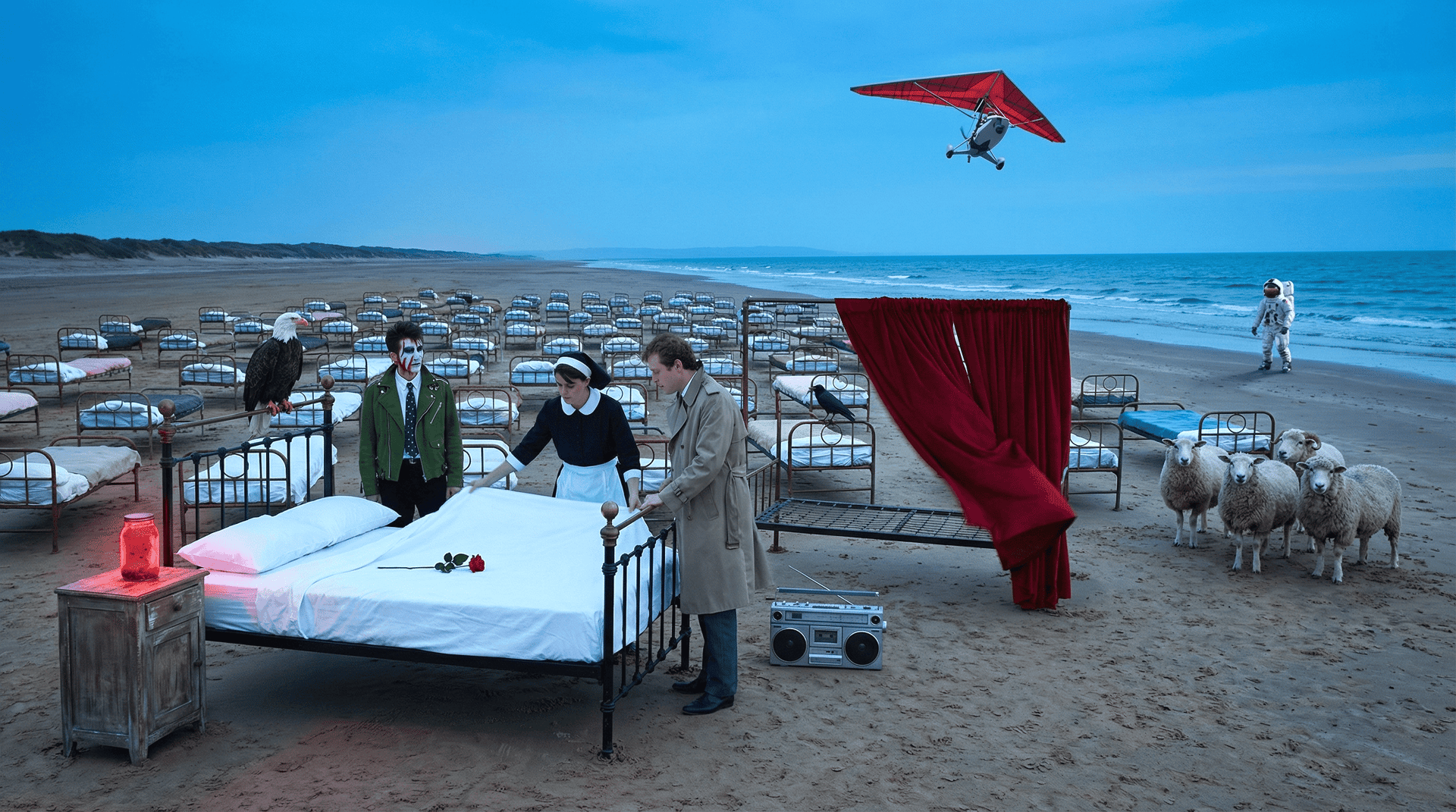
A Momentary Lapse of Reason (Remixed & Updated) by Pink Floyd 🎸


Recording History and Creation Process 🎤
Originally released in 1987, A Momentary Lapse of Reason was Pink Floyds first album following the departure of Roger Waters. The recording, helmed by David Gilmour and producer Bob Ezrin, was a response to significant tension within the band. Time constraints meant they rushed the albums production, which initially led to criticisms of its overly slick sound. The 2021 reissue, subtitled Remixed & Updated, revisits this legacy. It features newly restored elements like Richard Wrights previously unused keyboard parts, re-recorded drums from Nick Mason, and a fresh mix by Andy Jackson. Gilmour described it as an opportunity to capture a new vibe, highlighting how it simultaneously pays homage to and reinvents the original work.
Musical Style and Distinctiveness 🎶
Musically, A Momentary Lapse of Reason melds progressive rock with ambient soundscapes. Its tracks, such as Learning to Fly and Sorrow, embody existential themes surrounding loss and reflection. The remix deepens this musical complexity by enhancing the ambient textures while balancing the contributions of Gilmour, Mason, and Wright. Notably, the record contains intricate guitar solos, evocative melodies, and a rhythmic interplay that creates a rich listening experience, all hallmarks of Pink Floyds distinctive sound.
Critical and Commercial Reception 🌟
Upon its original release, the album soared high on the charts, reaching No. 1 on the Billboard 200 and receiving positive reviews for its accessible sound. Critics praised tracks like Learning to Fly for their catchy hooks and lyrical depth. The 2021 remixed version has been met with similar enthusiasm, with many fans claiming it feels like a fresh album altogether, due to its modern production and restored elements. This reissues acclaim underscores the enduring impact of Pink Floyds music, even decades later.
Lasting Legacy and Influence 🔗
The legacy of A Momentary Lapse of Reason remains significant within the late 20th-century rock scene. It marked Pink Floyds adaptation to a new musical landscape dominated by emerging technology and changing audience tastes. Its remixed version further solidifies its place in music history, fostering discussions around the bands evolution and hinting at a renewed relevance for both old fans and newcomers alike.
Role of Synthesizers and Production Techniques 🎹
The original album embraced the synthesizer-driven soundscape of the 1980s, using these tools to create immersive atmospheres that were both innovative and iconic. The 2021 remix enhances this quality through modern production techniques, balancing the electronic elements with organic instrumentation. This careful blend of sounds capitalizes on advanced technology to produce a cleaner, more robust audio experience.
Relationship with MTV and Visual Music 🎥
The original release coincided with the rise of MTV, which meant music videos became a vital promotional tool. Pink Floyds visual style during this era was marked by surreal and artistic imagery. The remixed album did not rely heavily on visual media, but its legacy is intertwined with the visual music culture that MTV fostered during the 1980s.
Navigating Mainstream Pop and Underground Movements 🌍
Momentary Lapse delicately straddled the line between mainstream pop and the progressive roots from which Pink Floyd emerged. The catchy hooks of songs like Learning to Fly allowed for commercial success while the albums thematic depth and experimental sound maintained ties to the underground rock scene. This unique position enabled the album to resonate with diverse audiences.
Guitar Work and Rhythm Section Definition 🎸
The guitar work of Gilmour and the interplay with Masons drumming set a distinctive tone throughout the album. Gilmour’s expressive guitar solos are signature components, while the rhythm section contributes to the albums dynamic shifts, ensuring it feels both cohesive and expansive. The remix further accentuates these elements, elevating the listening experience.
In essence, A Momentary Lapse of Reason (Remixed & Updated) serves as a reminder of Pink Floyds influence and adaptability, inviting both long-time fans and new listeners to witness the bands continued evolution.
Not Like Everybody Else by The Damned 🎸


The Damned’s latest offering, Not Like Everybody Else, is not just a collection of covers—its a profound tribute that reconnects with the roots of punk rock while championing the enduring legacy of their founding member, Brian James. The albums raw energy and emotional depth set it apart, demonstrating why The Damned remains a vital force in music even decades after their inception.
🎤 Recording History
This album was recorded in a blisteringly quick five-day session at Revolver Studio in Los Angeles, capturing an atmosphere of urgency and passion. Emerging from grief, memory, and a sense of unfinished business following James’ passing, the session was a cathartic reunion for the classic lineup: Dave Vanian (vocals), Captain Sensible (guitar), Rat Scabies (drums), Paul Gray (bass), and Monty Oxymoron (keyboards). Their chemistry, built over 50 years, radiates through the album, emphasizing a return to the raw punk roots that defined their early work. The production is distinctly DIY, mirroring the punk ethos that propelled them to fame.
🎶 Musical Style
Musically, Not Like Everybody Else is a testament to The Damneds ability to blend genres. While firmly rooted in punk, the album weaves in threads from 1960s garage rock, psychedelia, and Northern soul, offering a unique gothic punk experience. This blend is highlighted through Captain Sensibles edgy guitar riffs and Vanians haunting vocals. Rather than solely relying on synthesizers, which often dominate modern production, the album opts for a more organic sound reminiscent of their early works, emphasizing electric punk urgency and moodiness over polished sheen.
🌍 Critical Reception and Legacy
Although initial commercial charts are yet to surface due to its recent release, critical reception has been overwhelmingly positive. Reviewers celebrate Not Like Everybody Else as a final, defiant blast that is rich with nostalgia while boldly affirming The Damneds significance in the music landscape. Tracks like “See Emily Play” have been heralded as euphoric innovations, showcasing how The Damned can enhance and recontextualize classic hits. Legacy-wise, this album epitomizes the bands trajectory from pioneering UK punk to their status as cultural icons, proving their relevance beyond their punk origins.
📺 The MTV Connection
In terms of navigating the visual music era of MTV, Not Like Everybody Else stands apart by resisting mainstream conventions. The band has historically thrived in the underground scene, and their commitment to DIY principles and anti-establishment messages fortify their outsider status. Though the music video landscape flourished during the 1980s, The Damned have often eschewed mainstream ties, focusing on their unique artistic vision instead. This independence underscores the authenticity that pulses through every track, serving as an anthem for those who dare to be different.
In conclusion, The Damneds Not Like Everybody Else isn’t merely an album—its a compelling narrative of resilience, evolution, and the relentless spirit of punk rock. As they pay homage to their roots while navigating the complexities of modern music, The Damned solidifies their position as enduring pioneers and steadfast rebels in music history.
The Race For Space by Public Service Broadcasting 🚀


Public Service Broadcastings sophomore album, The Race For Space, hit the shelves on February 23, 2015, and took listeners on a thrilling auditory journey through the fascinating story of the space race between the United States and the Soviet Union. This concept album delves into history, ambition, and human endeavor, blending rich sounds with archival samples to create a uniquely immersive experience.
🎶 Recording History and Creation Process
The album was recorded at renowned venues such as The Pool Studios and Abbey Road Studios in London, yielding a polished yet innovative sound. What makes the creation of The Race For Space particularly notable is the bands approach to self-production, choosing to weave together samples from the British Film Institute and NASA, effectively allowing history to guide their composition. The duo, comprising J. Willgoose, Esq. and drummer Wrigglesworth, crafted this project by meticulously selecting audio snippets that frame pivotal moments in space exploration, including iconic speeches, recorded transmissions, and documentary footage.
🌌 Musical Style and Distinction
Musically, The Race For Space is a thrilling mix of electronic rock and ambient soundscapes, marked by propulsive drumming and a variety of instrumentation, from guitars to banjos and synths. The combination of upbeat tracks like Gagarin and the more contemplative Fire in the Cockpit showcases the band’s ability to shift moods, effectively reinforcing the emotional weight of their narrative. Critics admired its evolution from their debut album, noting how it transitioned from what some considered a “novelty act” into a project with deeper ambitions—melding historical storytelling with captivating soundscapes.
🛸 Critical and Commercial Reception
The album resonated positively with audiences and critics alike, achieving a Metacritic score of 73/100, which indicates a generally favorable reception. It peaked at #11 on the UK charts and even clinched the #1 spot on the UK Indie Albums chart, highlighting its commercial success. The nostalgic yet forward-looking approach captured fans hearts, leading to sold-out shows and innovative promotional events, such as a full live orchestral rendition at the Royal Albert Hall during the 50th anniversary of the Apollo 11 moon landing.
🌍 Lasting Legacy and Influence
The Race For Space has carved a niche for itself within the broader cultural landscape, influencing a wave of musicians interested in blending audiovisuals with historical narratives. This concept album not only enhanced Public Service Broadcastings reputation but also reignited interest in the narratives of space exploration, making it a modern classic in the electronic genre. Its innovative utilization of archival samples serves as an inspiration for artists seeking to blend history with contemporary sound.
Ultimately, The Race For Space exemplifies both the era of streaming and the impact of social media, as listeners engage with its themes and sounds across various platforms, allowing the music to reach a global audience. The albums ability to engage listeners in historical discourse while providing a sonic reflection of our capabilities is what truly makes it a landmark project.
Second Toughest in the Infants by Underworld 🎶


Recording History and Production 🛠️
Second Toughest in the Infants is the fourth studio album by British electronic band Underworld, released in March 1996. Produced during a peak creative era for the band, it follows their groundbreaking 1994 release, Dubnobasswithmyheadman. The quirky title itself comes from a comment made by Rick Smiths young nephew, describing his school experiences as second toughest in the infants, showcasing the bands light-hearted yet experimental nature during the creation process.
This album marked a significant evolution for Underworld, melding abrasive beats with anthemic melodies. Noteworthy singles such as Pearls Girl were prominent on the original release, with the iconic Born Slippy .NUXX later added to reissues. The production relied heavily on innovative synthesizers and featured an array of techniques, drawing from live performances as well as studio recordings. Their approach emphasized layered textures and a mix of live and programmed elements, adding a distinct depth that set the tone for the burgeoning electronic scene of the 90s.
Musical Style and Genre Context 🎵
Musically, Second Toughest in the Infants effortlessly blends genres, including techno, ambient, and progressive house. The album features standout tracks like Juanita: Kiteless: To Dream Of Love, and Banstyle / Sappys Curry, showcasing both hypnotic loops and intricate melodies. Underworld’s signature sound is characterized by driving techno rhythms alongside a sense of existential lyrical introspection.
Unlike the alt-rock or grunge movements that defined the era, Underworlds sound represented a daring deviation from mainstream trends, fueled by an indomitable DIY spirit. Their ability to craft such forward-thinking music made them pioneers in the electronic landscape, as they channeled energies that resonated deeply with dance culture and club life, presenting sophisticated yet accessible compositions that invited listeners to immerse themselves fully.
Critical Reception 📊
Upon its release, the album was lauded by critics, who hailed it as Underworld’s masterpiece. Reviewers noted that it defined a new chapter in electronic music, offering tracks that were entirely unaffected by prevailing trends of the time. Critics and fans alike marveled at how the band managed to create rich soundscapes that balance the visceral with the intellectual, showcasing the trio at their creative zenith.
Legacy and Influence 🌍
Second Toughest in the Infants has left a lasting impression on the electronic music scene. Its influence can be seen in the evolution of electronic genres, particularly through tracks like Born Slippy .NUXX, which became not just a club anthem but a cultural touchstone. The albums 2015 remaster and subsequent releases provided fans with fresh insights into the bands creative process through unreleased demos and tracks. This retrospective approach not only solidifies Underworlds historical importance but also demonstrates their continued relevance in the landscape of electronic music.
The album resonated well beyond the rave scene, intertwining with the indie ethos of the 90s. While the world was captivated by the grunge explosion, Underworld carved out their own niche, embodying the spirit of independence and innovation that defined the decade.
Jar of Flies by Alice in Chains 🎶


Alice in Chains Jar of Flies is a pivotal work in the landscape of 90s rock, blending introspective themes with a raw acoustic sound that still resonates today.
🎤 Recording History and Creation Process
The making of Jar of Flies was as spontaneous as it was impactful. Recorded in just a week at Seattles London Bridge Studios, the band was coming off of the grueling Dirt tour and faced personal challenges, including homelessness. Amidst this turmoil, they embraced a DIY ethos, entering the studio with no pre-written material and relying on their instincts and creativity. The sessions were intensive, lasting over 14 hours a day, where they captured most tracks in just one or two takes. This approach, using analog techniques without Pro Tools, aimed to preserve an organic acoustic sound, a decision famously advocated by lead singer Layne Staley. Interestingly, the title Jar of Flies came from guitarist Jerry Cantrells childhood science experiment, symbolizing the themes of survival and struggle.
🎸 Musical Style and Distinctiveness
Musically, Jar of Flies marks a striking departure from Alice in Chains heavier electric sound. This EP explores acoustic rock infused with elements of grunge, characterized by haunting melodies, intricate harmonies, and a brooding ambiance. Cantrell’s guitar work is particularly noteworthy, featuring fingerpicked acoustics mixed with a minimal amount of distortion, creating a darkly intimate experience. Songs like Nutshell embody this essence, pairing devastating riffs with Staleys ghostly vocals, making each track a reflection of vulnerability and emotional depth.
📈 Critical and Commercial Reception
Upon its release on January 25, 1994, Jar of Flies made history by becoming the first EP ever to debut at number one on the Billboard 200. Critics received it with acclaim, describing it as a groundbreaking acoustic triumph and a showcase of emotional intricacies. The EP sold over 3.2 million copies globally, achieving 4X Platinum certification by 2022. Hits like No Excuses and I Stay Away garnered extensive radio play, significantly contributing to the band’s rise during the alternative rock explosion of the era.
🔥 Lasting Legacy and Influence
The influence of Jar of Flies extends beyond its immediate commercial success. It played a key role in popularizing acoustic grunge, paving the way for future artists to explore themes of introspection and vulnerability. The sound and lyrical depth of the album have inspired countless alternative and post-grunge acts. As the band evolved, Jar of Flies creativity was reflected in their subsequent albums, highlighting the contemporary relevance of its sound even decades later. The appreciation for the EP continues, especially with its anticipated 30th-anniversary reissue, emphasizing its enduring legacy in the fabric of rock music.
In summary, Jar of Flies stands as a testament to Alice in Chains ability to merge heavy themes with an acoustic backdrop, making it not just a landmark EP of the 1990s but also a profound exploration of emotional fragility that resonates across generations.
Top Artists (Week 4)
- The Clash (32 plays)
- Consolidated (24 plays)
- Ramones (19 plays)
- Manic Street Preachers (18 plays)
- Jimmy Page & The Black Crowes (15 plays)
- The Style Council (14 plays)
- Crowded House (12 plays)
- Pearl Jam (12 plays)
- Pink Floyd (11 plays)
- The Damned (10 plays)
- Public Service Broadcasting (9 plays)
- Underworld (8 plays)
- Alice in Chains (7 plays)
Top Albums (Week 4)
- Hits Back by The Clash
- Play More Music by Consolidated
- Greatest Hits by Ramones
- Generation Terrorists by Manic Street Preachers
- Live At The Greek by Jimmy Page & The Black Crowes
- Our Favourite Shop by The Style Council
- Temple Of Low Men by Crowded House
- Vs. by Pearl Jam
- A Momentary Lapse of Reason (Remixed & Updated) by Pink Floyd
- Not Like Everybody Else by The Damned
- The Race For Space by Public Service Broadcasting
- Second Toughest in the Infants by Underworld
- Jar of Flies by Alice in Chains