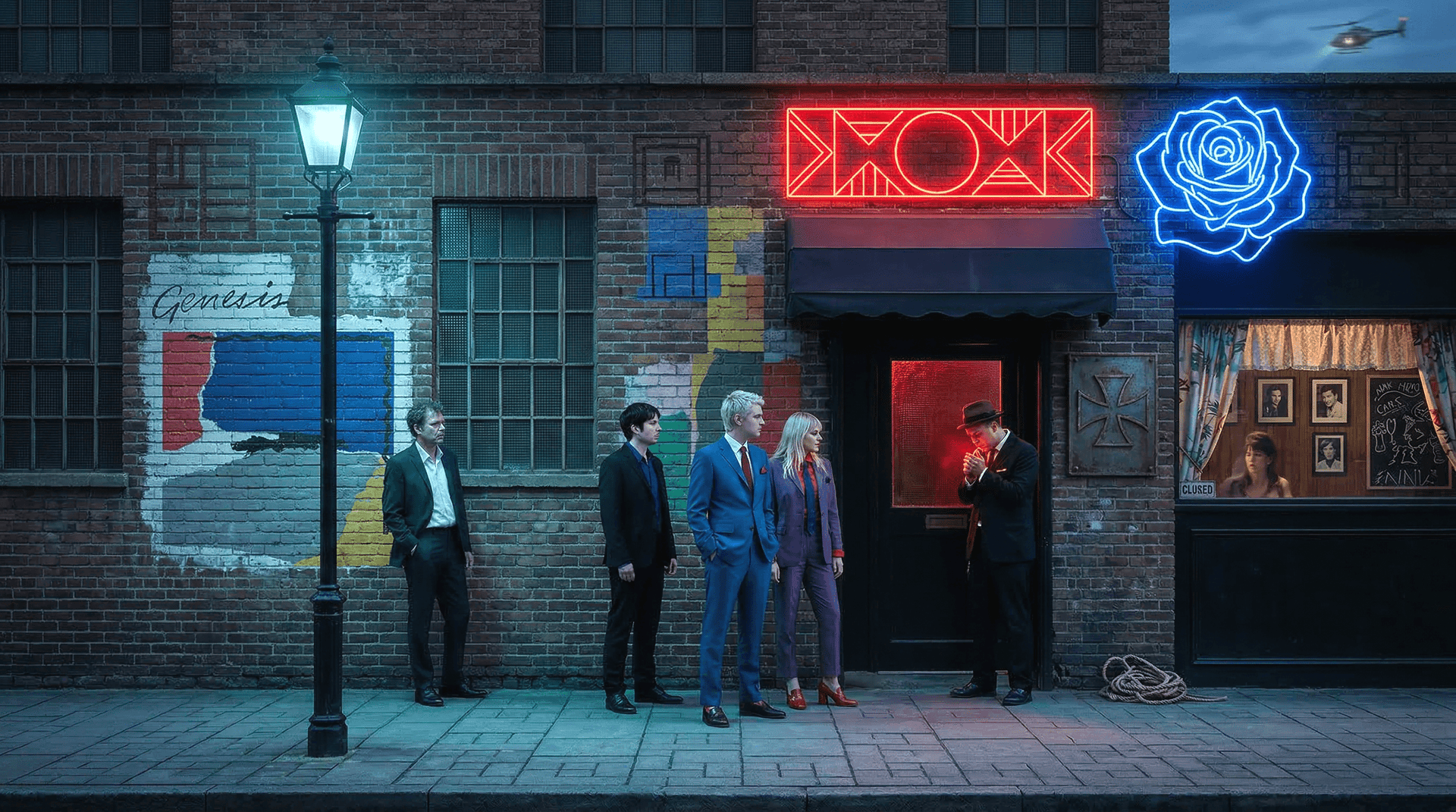
Euphoric Echoes and Gritty Anthems: A Collision of Generations

Flood by They Might Be Giants 🌊


Recording History 🎤
Released on January 15, 1990, Flood marked They Might Be Giants major-label debut, following their earlier independent successes. After the acclaim of Lincoln, the duo of John Flansburgh and John Linnell signed with Elektra Records, aiming for a bigger sound while preserving their distinct quirky style. The album was produced by the talented duo of Clive Langer and Alan Winstanley, who had previously worked with iconic artists like David Bowie and Madness. This blend of indie ethos and professional polish was crucial, as two-thirds of their budget was allocated to just four standout tracks: Birdhouse in Your Soul, We Want a Rock, Your Racist Friend, and the classic Istanbul (Not Constantinople). Interestingly, Flood was recorded digitally in professional studios, marking a shift from the DIY approach of their earlier works, yet it still retained an analog mixing quality.
Musical Style and Distinctiveness 🎶
From the very first track, Theme from Flood, listeners are treated to a whimsical journey that blends alternative rock with a delightful DIY spirit. The album stands out for its eclectic mix of genres, incorporating rock, pop, and indie with a hefty dose of surreal humor and playful wordplay. The songs swing from short bursts like Sapphire Bullets of Pure Love, clocking in at just 1:26, to longer anthems that showcase a cinematic feel. Notable elements include the use of accordions, horn sections, and drum machines, all of which helped challenge typical rock conventions. Linnell even referred to this album as their most fun, highlighting the sheer creative freedom they experienced during its creation.
Reception and Commercial Success 🏆
Upon its release, Flood garnered a mixed critical reception, with Rolling Stone awarding it a lukewarm 2/5 stars. Despite this, the album peaked at #75 on the Billboard Top Pop Albums chart and reached #14 on the UK Albums Chart, buoyed by the success of hits like Birdhouse in Your Soul and Istanbul (Not Constantinople). The album eventually earned gold and platinum certifications, selling approximately 783,000 units by 2009, making it TMBGs best-selling album to date. Fans affectionately dubbed newcomers to the band Floodies, illustrating the albums role as a gateway into the world of They Might Be Giants.
Legacy and Influence 🌟
Flood remains a cornerstone of They Might Be Giants catalog and proves to be hugely influential within the 1990s alternative rock scene. Its combination of humor and surrealism paved the way for future indie acts that embraced quirkiness over a polished, mainstream sound. Several later projects continued the collaboration with Langer and Winstanley, cementing their impact on TMBGs sound. Celebrations of this album have become a fixture in their live performances, underlining the lasting love fans have for the work. Even today, Flood inspires a blend of geeky intellect and pop accessibility in contemporary rock, making it clear that this album is not just a relic of the past but a continuing force in the evolution of music.
Long Hot Summers / The Story Of The Style Council 🎶


Released in 2020, Long Hot Summers / The Story Of The Style Council is an evocative compilation album that takes listeners on a journey through the dynamic and vibrant sound of The Style Council, a band that deftly blended elements of pop, soul, new wave, and jazz from 1983 to 1989. This collection encapsulates 37 tracks, highlighting the band’s innovative spirit and lyrical depth, while featuring unreleased material that showcases their creative process.
The Recording History and Creation Process 🎤
The Style Council emerged in 1982, founded by Paul Weller after the breakup of The Jam. Seeking to explore beyond his previous bands confines, Weller teamed up with keyboardist Mick Talbot, with whom he shared a passion for genres outside the mainstream rock culture. This partnership allowed for a diverse musical palette, infusing their tracks with elements of soul, new wave, and jazz. The compilation is meticulously curated, showcasing hits from their six studio albums alongside B-sides and newly unearthed tracks, including a demo version of My Ever Changing Moods. Each song reflects their desire to push boundaries while addressing themes of love and politics amidst a shifting music landscape.
Musical Style and Distinction 🎷
What sets this compilation apart is The Style Council’s distinctive fusion of various genres. Their sound encapsulates soul grooves, new-wave energy, and the sophistication of jazz, highlighted in tracks like Long Hot Summer and Party Chambers. The album thrives on its varied rhythms and rich instrumentation, exemplified by Mick Talbots adept use of the Hammond organ. This musical versatility allowed the band to carve a niche between mainstream pop and the burgeoning underground movements, appealing to a broad audience while maintaining an edge that resonated with critics and fans alike.
Critical and Commercial Reception 🌟
Although specific chart performance data for the compilation is sparse, it’s important to note that The Style Council’s previous works achieved significant success. Songs like My Ever Changing Moods and Shout to the Top! left an indelible mark on the UK charts, with Our Favourite Shop even reaching #2. Critics have hailed Long Hot Summers as an essential retrospective, with PopMatters describing it as a fantastic career retrospective that highlights the band’s musical dexterity in a synth-heavy decade. This album has contributed to a renaissance of interest in The Style Council, countering earlier perceptions of their sound as a dated curiosity.
Lasting Legacy and Influence 🌍
The Style Council’s impact resonates well beyond their active years, as Weller continues to perform their songs in his solo career. Their rich, eclectic sound has influenced numerous artists across genres, asserting that the material is anything but ephemeral. The use of synthesizers and production techniques prevalent in the era allowed them to produce commercially appealing hooks that catch the ear while instilling deeper messages beneath the pop veneer. This carefully crafted balance helped them navigate their legacy as a band that merged thoughtful lyrics with infectious melodies, inviting listeners to engage both physically and intellectually.
In conclusion, Long Hot Summers / The Story Of The Style Council is more than just a collection of songs; it’s a contemporary reinterpretation of an overlooked band that truly defined a moment in music history. If you havent yet delved into this compilation, consider it a perfect entry point into the vibrant world of The Style Council!
The Boy with the Arab Strap by Belle and Sebastian 🎶


Released on September 7, 1998, The Boy with the Arab Strap is the third studio album by the beloved Scottish indie-pop band Belle and Sebastian. This album not only marks a beautiful fusion of sound and sentiment but also serves as a significant chapter in the band’s evolution, shifting from Stuart Murdoch’s solo vision into a collectively crafted masterpiece.
Recording History and Creation Process 🎤
The album was primarily recorded at a time when Belle and Sebastian were striving to expand their sound. Following their second album, If Youre Feeling Sinister, they embraced a more democratic songwriting approach after welcoming multi-instrumentalists Isobel Campbell and Sarah Martin into the fold. Notably, the albums title was drawn from the name of the band Arab Strap, an amusing choice that carries a double entendre unknown to Murdoch at the time. The recording process emphasized their DIY ethos; the band recorded in various locations, with their rehearsals taking place in a church where Murdoch worked as a caretaker. This choice added an intimate and personal touch to their sound.
Musical Style and Distinctiveness 🎸
Musically, The Boy with the Arab Strap is anchored in indie pop with distinct alternative and folk influences. It emerged during the late 1990s Britpop era, yet it stood apart with its thoughtful, introspective nature, offering a refreshing counterpoint to the genres often explosive energy. The album features lush arrangements—utilizing acoustic guitars, strings, trumpets, and even bagpipes—creating a rich tapestry of sound. Key tracks like “Sleep the Clock Around” and the poignant “Is It Wicked Not to Care?” showcase the band’s knack for weaving personal heartbreak with sharp, sometimes wry lyricism, reflecting on love, nostalgia, and the trials of becoming an adult.
Critical and Commercial Reception 🌟
Upon its release, the album was met with enthusiastic acclaim, and various critics praised its emotional depth and intricate songwriting. It achieved gold status in the UK, securing Belle and Sebastian’s reputation as a cornerstone of the indie music scene. While some initial reviews, like those from Pitchfork, critiqued it for self-parody, the album was later reassessed as a breathtaking collection that laid the groundwork for future pop developments. It was frequently listed alongside the best albums of 1998, further solidifying its place in music history.
Lasting Legacy and Influence 🔥
The lasting impact of The Boy with the Arab Strap is undeniable. It transformed Belle and Sebastian from a cult indie group into influential figures whose work would inspire generations of musicians. Its blend of earnestness, vulnerability, and musical diversity reverberates through the indie and folk scenes, maintaining its relevancy into the 2020s. Tracks from the album, particularly “Is It Wicked Not to Care?”, continue to resonate with listeners, exemplifying an unparalleled, intimate quality that defines the band’s overall aesthetic.
In conclusion, The Boy with the Arab Strap exemplifies the pure indie spirit—a bold, heartfelt exploration of life, love, and everything in between. It invites listeners to find beauty in vulnerability and reminds us that the simplest moments often hold the most significant meaning.
Hysteria by Def Leppard 🎸


Hysteria, released on August 3, 1987, stands as a monumental entry in the rock genre, a testament to both musical evolution and studio craftsmanship. Let’s dive into the aspects that make this album an enduring classic.
The Recording Journey 🛠️
The creation of Hysteria was nothing short of an epic saga that spanned three years, costing nearly a million pounds. The process began in February 1984, with multiple starts and stops that saw sessions shelved and tracks scrapped due to creative differences. Initially, the band worked with producer Jim Steinman, known for his bombastic rock productions, but they soon returned to Robert John Mutt Lange, who had successfully guided their previous albums. This collaboration involved taking their sound to new heights of production and sophistication.
What’s remarkable is how Lange co-wrote every track while also rebuilding songs from scratch—a perfect example being the painstaking development of “Animal,” which took three years to finalize. This protracted process included innovative studio techniques, such as recording guitars first to a LinnDrum click track, a method that added an unprecedented level of flexibility in the mixing stage. The outcome was an album steeped in meticulous detail, resulting in a polished sound that many considered revolutionary.
A Distinctive Musical Style 🌟
Fusing arena rock with pop-metal polish, Hysteria showcases hard-hitting riffs blending seamlessly with anthemic choruses, captivating listeners with accessible love and party themes. Each track is a showcase of Langes perfectionism, filled with intricate guitar work and layered harmonies. The production incorporated synthesizers like the Fairlight CMI to enhance the albums sonic palette, making it more expansive than the typical hard rock offerings of its time.
The albums sound is characterized by its “wall of sound” approach, featuring stacks of guitar overdubs and a rhythm section that delivers heavy grooves while still allowing for a light, cheerily synthesized atmosphere. The blend of electronic elements and infectious choruses set the stage for Hysteria to transcend the rock genre, walking the fine line between mainstream pop and rock.
Critical and Commercial Triumph 📊
Upon its release, Hysteria received critical acclaim for its polished production and irresistible hit singles, becoming a landmark album of the 1980s. It sold over 20 million copies worldwide, spawned seven Top 20 singles (including the chart-topping “Pour Some Sugar on Me”), and earned diamond certification in the United States. Critics hailed it as a masterpiece, celebrating its dense sound and innovation, praising how it redefined the rock landscape.
The MTV Revolution and Lasting Legacy 📺
The rise of MTV was pivotal for Hysteria. The bands visually captivating music videos for singles like Animal and Pour Some Sugar on Me were inescapable on the network, connecting the bands sound and style to the glam and glitz of 1980s pop culture. This era of visual music amplified the albums appeal, helping to solidify Def Leppards status as rock megastars.
The legacy of Hysteria continues to resonate, influencing countless bands across genres. Its fusion of rock and pop opened doors for hair metal and established production standards that are still referenced today. Moreover, drummer Rick Allen’s story of resilience becoming a one-armed drummer following a car accident serves as an inspiring legend within rock history.
In conclusion, Hysteria not only defined a moment in music history but also set a blueprint for future generations, marking Def Leppards place in the pantheon of rock legends. The album remains a staple, cherished by both old fans and new listeners alike, serving as a reminder of what can emerge from creativity and collaboration amidst adversity.
Enter the Sound by Dub Pistols & Freestylers 🎶

Just released on March 6, 2026, Enter the Sound is a vibrant collaboration between two iconic UK musical acts — the Dub Pistols and Freestylers. This album encapsulates the spirit of a party, blending a kaleidoscope of genres that include electronic, hip-hop, reggae, and funk, representing a modern take on the burgeoning dance and sound system culture of the 2000s.
🏗️ Recording History and Creation Process
While the intricate details of the recording process remain under wraps, it’s clear that both contributors drew on their extensive backgrounds in the electronic music scene to forge this collaborative effort. Dub Pistols, based in London, have long been celebrated for their high-energy live performances and genre-blending soundscapes, while Freestylers are known for their dynamic production work and legendary status as party starters. This collaboration marks a continuation of their shared musical journey, with an impressive guest lineup that showcases their roots in the UK music scene.
🎵 Musical Style and Distinction
What makes Enter the Sound distinct is its infusion of high-grade, bass-heavy cuts that traverse various genres. The album integrates elements of drum & bass, jungle, breakbeat, and dancehall, creating a sonic experience that invites listeners to dance. Each track features a different guest artist, ranging from MC Spyda to the legendary Johnny Osbourne, lending unique flavors and styles to the mix. This approach not only reflects a celebration of musical diversity but also pays homage to the UK’s dynamic sound system culture.
⭐ Critical and Commercial Reception
As a freshly launched album, Enter the Sound hasn’t yet had the chance to make significant chart impacts, but early buzz heralds it as a powerful celebration of community and evolution within the UK music landscape. Critics and fans alike anticipate that its infectious energy and collaborative spirit, encapsulated in tracks like Power & Sound featuring Tippa Irie, will resonate strongly with audiences eager for new dancefloor-ready tunes.
🌐 Lasting Legacy and Influence
Although it’s too early to evaluate its long-term impact fully, Enter the Sound stands as a testament to the evolution of electronic music in the UK. The album revives the multi-genre fusion that characterized early 2000s dance music while signifying the potential for future collaborations within the rapidly changing music industry landscape.
The digital revolution has played a crucial role in its creation and distribution; the album is available in both physical and digital formats, allowing it to reach diverse audiences. With platforms like Bandcamp and streaming services increasingly central to music distribution, Enter the Sound is set to gain traction in an environment where sharing and accessibility are paramount.
As we navigate the themes prevalent in the post-9/11 and millennial experience, Enter the Sound offers a sonic escape rooted in joy and celebration, reminding us of the unifying power of music amidst changing times. In an era marked by evolving societal dynamics, the album serves as an anthem for resilience and the collective human experience through music.
🎤 Notable Production Techniques
While specifics on synthesizers and drum machines were not detailed in the sources, the production style undoubtedly involves electronic elements characteristic of the genre, influenced by cutting-edge techniques. The careful curation of guest artists adds a layer of complexity and excitement, making Enter the Sound a fresh offering in the contemporary music scene.
In conclusion, Enter the Sound is more than just an album; its a vibrant celebration of musics unifying power, set against a backdrop of diverse genres and cultural influences. Whether you’re hitting the dance floors or simply looking to enjoy some fantastic tunes, this record promises to deliver!
- View Enter the Sound on russ.fm
Everything Must Go by Manic Street Preachers 🎸


Released on August 13, 1996, Everything Must Go stands as a pivotal chapter in the history of the Manic Street Preachers. This album becomes a turning point not just for the band but for the era it represents—a time of change and challenge, infused with the echoes of absence and the call for resilience.
Recording History and Creation Process 🎤
The creation of Everything Must Go came during a tumultuous period for the band, marked notably by the disappearance of guitarist Richey James in early 1995. This event profoundly impacted the band’s dynamics and creative output, as Jamess lyrical influence was still felt in five tracks on the album. The album was produced with a focus on maturation, both musically and thematically, reflecting a shift away from their earlier glam rock influences towards a richer, more mature sound. The bands process involved collaborating closely with producer Mike Hedges in the studios they selected, blending their varied styles while navigating the emotional terrain left by Richey. The album also saw a reissue in 2016, which included additional live recordings from their 1997 Nynex Arena show, showcasing the evolving legacy of the album through live performance.
Musical Style and Distinctive Features 🎶
Musically, Everything Must Go is a vibrant fusion of alternative rock and punk that retains the raw edge for which the band is known. What distinguishes this album is its anthemic and uplifting sound, particularly evident in tracks like A Design for Life, which features a powerful orchestral arrangement. The album moves seamlessly from the introspective acoustic vibes of Small Black Flowers That Grow in the Sky to the headbang-inducing intensity of Interiors (Song for Willem de Kooning). Each track stands out, encapsulating the bands evolution while ensuring a sonically cohesive piece that breaks away from the Britpop wave of the time.
Critical Reception and Legacy 🌟
At its release, Everything Must Go received widespread acclaim from critics who heralded it as a triumphant comeback for the band. Reviewers lauded the albums emotional depth and the stark honesty it presented—qualities that resonate with listeners today. The commercial success followed, further cementing the legacy of the Manic Street Preachers as icons capable of capturing the zeitgeist of their audience. The albums reverberations are felt even now, as its themes of loss and transformation continue to resonate with new generations of listeners.
Themes and Cultural Context 🌍
Thematically, Everything Must Go is rich with reflections on politics, existentialism, and societal issues. The lead single, A Design for Life, opens the album with themes of class struggle and existential angst—a soundscape infused with hope amid despair. Kevin Carter, inspired by the tragic photographer, pushes the narrative of human suffering and aims to confront the listener’s understanding of mortality. In a post-9/11 world, these themes speak volumes as they address fear, isolation, and the human experience, bridging personal narratives with wider societal commentary.
As we look back at Everything Must Go, it’s clear that the album not only shaped the Manic Street Preachers trajectory but also forged a significant cultural moment, influencing how rock music would evolve into the newer millennium. The guitar work and the rhythm section played an essential role in framing this sound—where the absence of Richey James shifted the spotlight onto James Dean Bradfields guitar prowess, ensuring that the band continued to deliver innovative and heartfelt music that resonates to this day.
Redlight by The Slackers 🎷


The Recording Journey and Creation Process 🎤
Redlight, the second studio album by New York Citys renowned ska band The Slackers, was released on September 23, 1997. This album marked an important debut on Hellcat Records, a label founded by punk legend Tim Armstrong from Rancid. The Slackers recorded this album during a pivotal time in the late 90s, as ska music was experiencing a major revival. While specific studio details or producers are scant in historical records, it is evident that The Slackers approached Redlight with a love for blending traditional and modern sounds. Each track reflects a passionate homage to the ska legacy, with the opening tune Cooking for Tommy directly honoring ska pioneer Tommy McCook.
Musical Style and Distinctiveness 🎶
Musically, Redlight is a vibrant tapestry woven from ska, reggae, rock, R&B, soul, jazz, dub, and boogaloo elements. The Slackers enrich their sound with a unique blend that goes beyond the typical ska framework; critics have described it as a “global sound tour” reflecting diverse musical influences from Jamaica, London, New York, and Los Angeles. The album showcases masterful horn arrangements that punctuate its songs with energetic blasts, complemented by offbeat rhythms typical of ska. Notably, tracks like Married Girl delve into narratives that mix playful storytelling with the band’s laid-back yet engaging beats.
Critical and Commercial Reception ⭐
Upon its release, Redlight was met with positive acclaim, earning its place among the finest releases of 1997. Publications like The Washington Post admired its blend of jazz and R&B roots, while The Gazette gave it a solid 8/10 rating, praising how the album lowered “tariff walls” for a mix of genres, presenting a fresh take on ska. Critics highlighted standout tracks that explored themes of love and party vibes, without being overtly political, yet subtly examining social issues. However, commercial performance metrics like chart positions remain elusive, possibly reflecting its niche appeal during the peak of the ska resurgence.
Lasting Legacy and Influence 🔊
Redlight left an indelible mark on the ska landscape and is often credited with helping to define the Third Wave Ska genre during the late 90s. Its legacy continues as new generations discover the blend of ska’s rich heritage with modern rock influences. Not limited to just its ska roots, this album also shows the cultural melting pot that defines their sound, paving the way for future bands to explore eclectic styles while maintaining the essential spirit of ska.
In an era where the digital revolution was beginning to reshape how music was created and consumed, Redlight also saw the effects of this change as it was distributed across various formats, from vinyl to CD, and eventually digital platforms. This adaptability ensured that the album remained accessible to a wider audience, even as The Slackers navigated a changing music industry landscape influenced significantly by punk and alternative rock themes from the late 90s onward.
Redlight stands as a beacon for fans of ska and reggae music alike, encapsulating a vibrant moment in musical history while continuing to resonate with listeners today. Whether youre a long-time enthusiast or a newcomer, this album undoubtedly warrants a spot in your collection!
The Sophtware Slump by Grandaddy 🎶


One of the standout albums of the early 2000s, The Sophtware Slump by Grandaddy offers a fascinating blend of indie rock and electronic soundscapes, interweaving themes of technology, isolation, and existential dread. Lets dive into the journey that brought this compelling body of work to life.
🎤 Recording History
The Sophtware Slump emerged from the fertile creative grounds of Modesto, California, as Grandaddy’s sophomore effort, arriving on May 29, 2000. Despite the sophomore slump stigma, the band, led by the talented Jason Lytle, embraced a DIY ethos that shaped the albums unique sound. Lytle crafted the record in a makeshift home studio in his boxers, using rented equipment that he planned to return to Best Buy. This self-produced process laid bare a raw, intimate undertone throughout the album. Interestingly, for its 20th anniversary in 2020, Lytle reimagined the album, recording it solely on a wooden piano, stripping it down further to highlight melodic beauty amid the pandemics splintered reality.
🎹 Musical Style and Sound
Musically, The Sophtware Slump distinguishes itself with its blend of indie rock and clever, Lo-Fi electronic elements. The album features emotive vocals and poetic lyrics paired with evocative instrumentation: from clanging acoustic guitars to swirling synths, along with strings and even sampled birdsong. Notable tracks like He’s Simple, He’s Dumb, He’s the Pilot and Broken Household Appliance National Forest elegantly juxtapose nature and technology, creating vivid soundscapes that evoke a sci-fi feel without losing the warmth of human emotion. The album resonates with fans of contemporaries like Wilco and Mercury Rev, encapsulating an adventurous reimagining of Americana.
🌍 Themes and Cultural Context
As a concept album, it provides a poignant commentary on the anxieties of the millennium, exploring the notion of technological isolation and the dehumanizing grip of modern living. Each song tells a story of malfunctioning machines and obscure human existence, reflecting fears prevalent during the Y2K era. Tracks like Underneath the Weeping Willow portray sorrowful ballads while yearning for connection, making it easy to relate to in a rapidly changing world. The striking album cover art visually underscores this man vs. machine narrative, blurring the lines between progress and distress.
🌟 Reception and Legacy
Critics hailed The Sophtware Slump as a classic from its release, with Pitchfork dubbing it a sad, quaint, low-key Y2K-era classic. It reached respectable chart positions, peaking at No. 36 on the UK Albums Chart and reinforcing Grandaddys place in 2000s indie rock lineage. Over the years, the albums emotional depth and DIY spirit have inspired numerous artists, from Conor Oberst to The National, extending its influence across genres.
As the music industry transitioned with the digital revolution, the album stood as a signpost for the changing landscape—the tools of production becoming more accessible. In the ironic twist of its tech-dystopian themes, Grandaddy’s approach paved the way for numerous indie acts eager to offend convention. With its piano reissue in 2020, The Sophtware Slump continues to resonate, reflecting both the enduring allure of its sound and its profound cultural commentary.
In essence, The Sophtware Slump is not just an album; its a powerful exploration of the intersection of technology and humanity that continues to echo through the hearts of listeners today.
Attack Of The Grey Lantern by Mansun 🎸


Mansuns debut album, Attack of the Grey Lantern, was released on February 15, 1997, and it quickly made waves in the Britpop scene, debuting at #1 on the UK Albums Chart. What makes this album stand out are its diverse influences and ambitious execution that captured both critical and commercial attention.
The Creation Process: Recording History 🎤
The recording of Attack of the Grey Lantern took place over a period spanning 1996 to 1997, with the majority penned by frontman Paul Draper. Produced by a trio of talents—Draper himself, Mark Spike Stent, and Ian Caple—the recording sessions were mercurial, showcasing the bands transformation from inexperienced musicians to a group willing to push the limits of their sound. This growth allowed them to incorporate eclectic genres, from rock and Britpop to elements of psychedelia, film soundtracks, and even hastily pivoting into hip-hop and acid house influences. The bands early singles had already begun to generate buzz on BBC Radio 1, setting a solid foundation for their debut.
A Musical Tapestry: Style and Distinction 🎶
Musically, Attack of the Grey Lantern is a tapestry of styles, described as having a rapacious musical appetite. It marries Britpops catchy hooks with an experimental flair reminiscent of early prog-rock acts. The album opens with The Chad Who Loved Me, which cleverly combines John Barrys orchestral motifs and Beatles-esque vocal harmonies, setting a tone of grandeur and complexity. Highlights like Wide Open Space evoke the soaring melodies associated with bands like Radiohead, while tracks such as Disgusting flirt with funk rhythms. Uplifting melodies are often juxtaposed with darker themes, establishing a stark emotional range that few albums of the era matched.
Reception: Commercial Success Meets Critical Acclaim 📊
Commercially, the album was a triumph—selling steadily and producing hit singles such as Wide Open Space and Taxloss, the latter of which took listeners into uncharted genre territory by transitioning into acid house. Critical reception, however, was mixed; while some lauded its ambition and eclecticism, others criticized it for being an engrossing mess that occasionally faltered under the weight of its creative aspirations. Described by some as a successful debut LP people overlook, it has found a second life in the years since, showcasing what was possible within the Britpop framework.
Legacy: A Cult Classic Ahead of Its Time 🕰️
Despite its initial reception, Attack of the Grey Lantern has gained a legacy as one of the more innovative British albums of the late ’90s. While it may have been overshadowed by the likes of Blur and Pulp, its ambitious endeavor and psychedelic flourishes positioned it as a precursor to the post-Britpop era. The albums influence is evident in Mansuns later work and has inspired a new generation of indie artists who appreciate its bold experimentation. As the band cemented its status in alternative rock, Attack of the Grey Lantern remains a notable chapter in the ongoing saga of British rock music.
In a time when alternative rock was bursting with energy, Mansun managed to navigate the thick fog of grunge with a distinct identity, making Attack of the Grey Lantern not just an album, but a statement. If you havent given it a listen yet, nows the perfect time to immerse yourself in its innovative soundscapes and intriguing narratives!
Porno for Pyros by Porno for Pyros 🎸


Released on April 27, 1993, Porno for Pyros marks the debut album from the alternative rock band of the same name, formed in the wake of Janes Addictions breakup. This self-titled album is a raw, eclectic creation that stands as a vibrant testament to the grunge-era’s experimental spirit and the bands distinctive drive.
🎤 Recording History and Creation Process
The recording of Porno for Pyros took place in mid-1992 at Crystal Sound in Los Angeles and was produced by Perry Farrell himself alongside Matt Hyde, who handled engineering and mixing. The project was born out of a tumultuous period for Farrell and drummer Stephen Perkins as they navigated the aftermath of Janes Addictions disbandment and the substance abuse problems faced by their ex-bandmates. The bands name, a nod to a fireworks advertisement in a porn magazine, reflects the chaotic backdrop of the 1992 Los Angeles riots, encapsulating themes that would permeate the albums lyrics.
Before the albums release, the band embarked on a nationwide tour, creating palpable excitement that propelled the album to No. 3 on the US Billboard 200. Many tracks, like Blood Rag and Bad Shit, were originally penned during Farrells Janes Addiction days, showcasing the transitional nature of their sound as they ventured forward.
🎶 Musical Style and Distinctiveness
Musically, Porno for Pyros is classified predominantly as alternative rock but boasts a fusion of styles that includes elements of indie rock, dance-rock, funk metal, and heavy metal. This diversity is highlighted in the psychedelic vibes of Sadness, the funky rhythm of Pets, and the rebellion-infused title track Porno for Pyros. Guitarist Peter DiStefanos intricate, effects-laden riffs combined with the driving rhythm from Perkins’ drumming and Martyn LeNoble’s bass create a compelling, punk-infused sound that sets the album apart.
The spirit of experimentation shines through in the albums lyrical themes, which explore love, existential angst, and societal rebellion—characteristics emblematic of 1990s rock but infused with an independent, DIY ethos that harkens back to punk roots.
📈 Critical and Commercial Reception
Upon its release, Porno for Pyros received a mixed yet overall positive response from critics. While comparisons to Jane’s Addiction were inevitable, the album was praised for its energy and originality, establishing its own identity in the crowded alternative scene. The record reached gold certification in the U.S. and Canada, with tracks like Pets hitting No. 1 on the Modern Rock Tracks chart, underscoring its commercial success.
🌟 Legacy and Influence
The legacy of Porno for Pyros is significant; it not only captured the essence of the early 90s alternative rock explosion but also helped define the trajectory of Farrell’s post-Janes Addiction career. As they blended genres and themes of rebellion, they cemented themselves as a defining voice of a generation. Furthermore, the album’s DIY spirit and innovative sound have influenced countless musicians within the alternative rock genre.
With a reunion in 2020-2024 and a planned EP, the band continues to honor the foundation laid by this album, which represents their bold foray into a post-grunge landscape, illustrating an enduring impact that resonates even decades later.
Wasted On Youth by The Molotovs 🎸


The Molotovs burst onto the music scene with their debut studio album, Wasted On Youth, which hit the shelves on January 30, 2026. This electrifying record is a testament to their punk-infused rock ethos and the burgeoning energy of youth rebellion in contemporary music.
Recording History and Creation Process 📝
The album was recorded during a whirlwind time for the London-based sibling duo, Mathew and Issey Cartlidge, who, despite being in their teens, have packed a lifetimes worth of experience into their music. Influenced by 1970s punk legends like The Jam and the Sex Pistols, the brothers honed their raw sound through relentless touring—notching up over 500 gigs. While specific studios or producers werent highlighted in the narrative, the energetic vibe of grassroots venues is an essential part of their identity. As Mathew described it, It feels like the album has been crafted in the heat of live performances, reflecting a unique blend of spontaneity and hard-hitting energy that echoes throughout every track.
Musical Style and Distinctiveness 🎶
Musically, Wasted On Youth is a kaleidoscopic blend of rock, punk, new wave, and garage sound. It captures the frenetic spirit of 1970s punk while speaking directly to the experiences of Generation Z. The lyrics deal with themes of youth power, rebellion, and an anti-apathy stance, positioning the album as a call to arms for listeners. Songs like “Get a Life” exemplify this distillation of raw emotion and punk ethos, striking hard and fast with electric riffs and sharp lyricism. This album stands out for its unapologetic vigor and compelling songwriting, making it a significant contribution to modern punk rock.
Critical and Commercial Reception 🌟
Although the album has just released, early buzz has been overwhelmingly positive. Critics are already heralding it as a heavily anticipated debut that signals a revival of youth-driven punk in the 2020s. Kerrang! has described The Molotovs as a rising band to watch, and Turn Up The Volume noted them as hungry retro mod punks. The initial singles have also penetrated the top ten charts, showcasing their rapidly growing popularity.
Lasting Legacy and Cultural Themes 🌍
Wasted On Youth taps into the zeitgeist of today’s youth culture, resonating with themes of frustration against societal stagnation and a collective yearning for change. The pandemics hardships are echoed through lyrics that criticize complacency, encouraging listeners to harness their power and take action. The current political landscape infuses a sense of urgency into the music; it’s not just an echo of the past but a vibrant response to today’s challenges.
Genre Fluidity and Musical Craftsmanship 🎸
In a time where genres increasingly blur, Wasted On Youth elegantly fits into the contemporary music landscape, representing a fluidity across punk and other rock subgenres. The guitar work and rhythmic section define the albums sound: aggressively anthemic riffs are harmonized with a thunderous bass, maintaining a pulse that underscores the urgency of the message. Each track builds a dynamic energy that calls for live experience—an essence that Mathew and Issey have mastered through their compact yet powerful performances.
In essence, Wasted On Youth isnt just an album; its a movement—a rallying cry for a new generation, full of vitality and promise, shaped by the lessons and legacies of their predecessors while firmly grounding themselves in today’s socio-political milieu.
The Pleasure Principle by Gary Numan 🎹


Recording History and Creation Process 🎶
Released on September 7, 1979, The Pleasure Principle marks Gary Numans bold leap into solo artistry, having previously found success with the band Tubeway Army. This album emerged just six months after Replicas, showcasing a straightforward shift from the rock-infused sound of his earlier work to a distinctly electronic palette. The creative process kicked off early in 1979, when Numan recruited a new permanent drummer and keyboard player to help shape his evolving sound. The recording sessions took place at Marcus Music Studio in London, where Numan and his band crafted four tracks shortly after the breakout hit Are Friends Electric? rocketed to the top of the UK Singles Chart.
Musical Style: A Synth-Pop Revolution ⚡
With The Pleasure Principle, Numan fully embraced the potential of synthesizers, abandoning electric guitars entirely. The album encapsulates a rich blend of synth-pop, electropop, and new wave. Its distinctive sound is characterized by the heavy use of the Polymoog keyboard—especially its Vox Humana preset—combined with flanging, phasing, and reverb effects. Perhaps most intriguingly, the album incorporates unexpected elements like solo viola and violin, lending a unique orchestral touch to tracks like Complex. The standout track, “Cars,” remains one of Numans most recognizable hits, capturing the essence of the late 70s electronic movement.
Critical and Commercial Reception 📈
Upon its release, The Pleasure Principle quickly climbed to number one on the UK Albums Chart, solidifying Numans status as a rising star. The albums lead single Cars became a massive success, not just attaining number one in Canada, but also making it to number nine in the U.S. This achievement led some to label Numan as a one-hit wonder in North America, but the impact of the album as a whole proved more influential, leading to a sustained cult following. The second single, Complex, also saw success, peaking at number six in the UK, though Numan himself later expressed remorse for not selecting Metal as the follow-up single instead.
Lasting Legacy and Influence 🌍
The legacy of The Pleasure Principle transcends its time of release, as it laid the foundational groundwork for future synth-pop artists. Celebrating its 40th anniversary, Numan performed the album in its entirety during tours in 2019, a testament to its enduring relevance. The album continues to resonate with modern artists and holds a revered place in electronic music history. Numan’s futuristic aesthetic and pioneering blend of technology and melody have inspired countless musicians across various genres, making him a pivotal figure in the evolution of pop music.
Overall, The Pleasure Principle is not just an album—its a cultural milestone that captures a transformative moment in music history, one where artistry and technology collided to create something entirely new and exciting. Whether you’re exploring it for the first time or revisiting it, this album has plenty to share!
Kimono My House by Sparks 🎵


Released in 1974, Kimono My House is a dazzling gem from the iconic band Sparks, known for their quirky art rock and glam-infused sound. This album not only marked Sparks commercial breakthrough but it also established them as a unique voice within the vibrant musical landscape of the 1970s.
The Recording Process 🎤
The journey of Kimono My House began after the Mael brothers, Ron and Russell, relocated from Los Angeles to London, inviting a fresh lineup including bassist Martin Gordon, guitarist Adrian Fisher, and drummer Norman Dinky Diamond. The album was recorded following the groups earlier, less commercially successful works, and paired with rich thematic layers. The lead single, “This Town Ain’t Big Enough for Both of Us,” with its cinematic flair and dramatic vocal octave leaps, served as a tantalizing introduction. It soared to No. 2 on the UK charts, paving the way for the album that reached No. 4. Capturing a blend of drama with military-like precision in its recording, Sparks created a cinematic experience that bridges glam rock and the avant-garde.
Distinctive Musical Style 🎶
Musically, Kimono My House is a melting pot of glam rock, art rock, and power pop, woven together with Sparks’ signature absurdity. Russell Maels soaring falsetto combined with Rons innovative songwriting creates dynamic soundscapes, moving from upbeat, catchy hooks to offbeat, theatrical moments. The album showcases influences ranging from Brechtian cabaret in “Falling In Love With Myself Again” to the progressive experimentation found in tracks like “Equator.” Each song offers interwoven narratives that, while not a conventional concept album, play with themes of identity and self-reflection, amplified by playful Japanese motifs. It’s a testament to how Sparks managed to sound both timeless and refreshingly modern.
Reception & Legacy 🌟
Upon its release, Kimono My House was met with critical acclaim, hailed as an instant classic by publications like NME and The Guardian. Critics praised it for its inventive sound and unique lyrical content. Robert Hilburn of the Los Angeles Times declared it one of the most invigorating albums he’d ever heard. The albums success was further bolstered by their appearances on TV, where their distinct visual presence shone—Russell’s energetic performances and Ron’s comedic deadpan added a memorable visual element to their music.
Decades later, Kimono My House remains a cornerstone of Sparks’ legacy and has influenced countless artists, from the alt-rock scene in the 90s (think Faith No More) to the evolving styles of new wave and punk. Sparks themselves have described this album as a benchmark that informs their future projects, further highlighting its significance in the band’s journey.
The 70s Musical Landscape 🎸
In the context of the 1970s, a transformative decade for music with the rise of glam rock led by artists like David Bowie and T. Rex, Sparks brought a fresh twist with their irreverent approach. While disco and punk began to dominate, Sparks stood apart with their absurd lyrics and theatricality, often addressing topics as varied as love and fame through a humorous lens. Their unique sound bridged the gap between glam excess and punk’s raw energy, ensuring their place in a diverse musical narrative.
In conclusion, Kimono My House is much more than an album; it’s a celebration of eccentricity and creativity in a world that readily accepted the fantastical. It’s a playful exploration of identity that has endured and evolved, continuing to inspire musicians and listeners alike. So, whether youre a long-time fan or encountering Sparks for the first time, this record is definitely one to turn up loud!
Mental Notes by Split Enz 🎶


🎤 Recording History and Creation Process
Released in 1975, Mental Notes marks the debut of New Zealand’s Split Enz, a band that began its journey as a quirky collective in Auckland back in 1972. Under the initial name Split Ends, they shifted identities and styles as they evolved into a unique blend of rock, new wave, and punk. The album was self-produced over two months in Sydney, Australia, focusing on the bands vision without the influence of an external producer. This raw creative environment was essential for capturing the albums experimental and theatrical qualities. Lead vocalist and primary songwriter Tim Finn expressed that they poured years worth of ideas into this project, which eventually led them to re-record the album as Second Thoughts in 1976 to fully realize their artistic ambitions.
🎸 Musical Style and Distinctiveness
Musically, Mental Notes stands out due to its eclectic mix of progressive rock, art-rock influences, and early punk nuances. The albums distinctive character comes from its theatrical narratives and complex arrangements, fusing themes of identity and existential struggle with catchy melodies. Tracks like Walking Down a Road and Titus showcase their ability to pair surreal lyrics with unconventional soundscapes. With Phil Judds angular guitar riffs and Eddie Rayners lush keyboard arrangements, the band created an atmospherically rich listening experience that resonates with both a retro sensibility and an urge to experiment.
📈 Critical and Commercial Reception
Initially, Mental Notes was well-received in Australia and New Zealand, earning a devoted cult following while struggling to achieve wider international acclaim. Critics recognized the album as foundational for Split Enz, appreciating its life-affirming vibrancy. Reviewers from outlets like Progrography likened it to a “weird, wild” endeavor, signaling the bands potential for broader influences yet to come. Though the album did not chart significantly during its release, it cultivated a grassroots buzz that contributed to the bands rise.
🌍 Lasting Legacy and Influence
As we look back on Mental Notes, it’s evident this album established a significant foundation for Split Enzs long legacy, influencing their future work and the New Zealand music scene. In the wake of its quirky brilliance, the album has garnered renewed interest, especially with its subsequent re-releases. The impending 50th-anniversary boxed set reflects its enduring significance—from pioneering new wave aesthetics to transcending conventional rock boundaries.
🎶 Cultural Context in the 1970s Musical Landscape
Mental Notes arrived during an extraordinary time for music—the 1970s were dominated by the rise of album-oriented rock and punk. Bands were beginning to experiment with their sound, seeking to break free from the confines of traditional pop structures. Split Enzs theatrical approach and complex compositions fit into this diverse landscape, embodying the spirit of innovation that characterized the period. Their sound defined the groundwork for the new wave movement that would flourish later in the decade.
🎸 Guitar Work and Rhythm Section
The interplay between the guitar work and the rhythm section is crucial in shaping the albums sonic identity. Phil Judd’s guitars oscillate between angular and melodic lines, creating a sense of both tension and release, while the rhythm section, featuring Mike Chunn’s prominent bass and Emlyn Crowther’s dynamic drumming, lays down a robust foundation. This combination results in an album that feels both rhythmically sophisticated and emotionally compelling, crafting a musical journey that invites listeners to explore its depths.
In summary, Mental Notes is not just an album—its a vibrant tapestry of sound and emotion, representing a pivotal moment in the evolution of rock and new wave music. As Split Enz marked their entrance into the music world, they also laid the groundwork for an innovative legacy that continues to captivate fans today.
Abacab by Genesis 🎸


Genesiss Abacab, released in 1981, showcases the bands transformation from progressive rock gods to pop-rock pioneers, making it a critical milestone in their discography. Lets dive into the albums context, including its creation, musicality, and lasting impact.
Recording History and Creation Process 🚀
The genesis (pun fully intended) of Abacab took place between March and June of 1981 at the band’s custom-built studio known as The Farm, located in Surrey, England. For the first time, the trio — Phil Collins, Tony Banks, and Mike Rutherford — took full control of production, marking a distinct shift in their approach. The recording sessions were rigorous, with the band putting in long hours, sometimes up to 14 per day. They collaborated with renowned engineer Hugh Padgham, known for developing the iconic gated reverb sound heard in Collinss In the Air Tonight. The title track Abacab itself derived its name from the songs original arrangement structure, which labeled sections as A, B, and C.
Distinctive Musical Style 🎶
Abacab is a fascinating blend of rock, pop, prog, and new wave. Gone are the extended solos and complex song structures of their earlier work; instead, the album features tighter arrangements and a more radio-friendly sound. Collins’ drumming is punchy and authoritative, slotted perfectly alongside Rutherford’s brisk guitar riffs and Bankss layered keyboards. Tracks like No Reply at All incorporate the Phenix Horns, adding a funky edge that perfectly exemplifies the album’s eclectic sound. With its streamlined identity and attention to melodic hooks, Abacab captures the essence of 1980s pop-rock while nodding to the bands progressive roots.
Critical and Commercial Reception 📈
Upon its release, Abacab was a commercial success, topping the UK Albums Chart and reaching #7 on the US Billboard 200, earning platinum certification in the States. Critics broadly praised the album for its fresh, contemporary sound that appealed to new audiences. While long-time fans of their prog roots had mixed feelings, many acknowledged the boldness of the bands new direction. Songs like Abacab and No Reply at All became solid hits, establishing a template for the band’s future successes in the 1980s.
Lasting Legacy and Influence 🌟
Abacab marked a significant transition for Genesis, cementing their status as pop giants while also influencing a new wave of rock music. The albums innovative use of synthesizers, gated reverb, and horn arrangements became hallmarks of pop production in the 1980s. MTV further amplified the albums reach with captivating music videos, aligning seamlessly with the eras visual music culture. The tracks themes of love and tension, mirrored with technological changes, resonated with a generation ready for the new era of music.
It’s easy to see why Abacab remains a pivotal album — it not only represents Genesis’s evolution as a band but also acts as a touchstone for the shifting musical landscape of the 1980s. Whether youre a long-time fan or new to their catalog, Abacab is worth a listen for its rich tapestry of sounds and influences.
Marquee Moon by Television 🎸


Recording and Production 🎶
Released on February 8, 1977, Marquee Moon is the groundbreaking debut album by American rock band Television. The recording took place over a concentrated three-week period in November 1976 at A & R Studios in New York City, a venue legendary for hosting icons like Bob Dylan and John Coltrane. In the studio, Televisions frontman, Tom Verlaine, took on production duties alongside sound engineer Andy Johns. The meticulous preparation and extensive rehearsal demonstrated the band’s dedication to crafting a cohesive artistic vision, resulting in an album that would shift the landscape of rock music.
Musical Style and Guitar Innovation 🎤
What truly sets Marquee Moon apart is its revolutionary guitar work. Verlaine and his guitar partner Richard Lloyd chose a distinct path, shying away from the power chords common in the contemporary punk rock scene. Instead, they embraced a blend of rock and jazz-inspired melodies and counter-melodies that flowed seamlessly throughout the album. The title track, which sprawls over an impressive ten minutes, serves as a striking centerpiece featuring complex instrumental sections that reflect progressive rock’s influence while incorporating jazz roots.
The exceptional intertwining guitar patterns and the thoughtful interplay of melodies throughout the record define its sonic signature, illustrating Television’s innovative approach to what punk could be—melodic, intricate, and intellectually provocative.
Critical Reception and Commercial Performance 📈
Upon its release, Marquee Moon received widespread acclaim, praised by critics who considered it an original and artistic leap within rock music. While the album didnt achieve significant commercial success in the United States, it found a warm reception in the United Kingdom, where its influence grew exponentially. Rolling Stone magazine would later recognize it as one of the 500 Greatest Albums of All Time, ranking it 128th in their 2003 list. Critics highlighted how Television achieved a level of sophistication in songwriting rarely attained by debut albums, with reviews remarking that “very few artists could pull off a song like Marquee Moon, yet Television did it on their first try.”
Legacy and Influence 🌍
Marquee Moon is often regarded as a foundational record of alternative rock, and its influence extends far beyond the 1970s. The innovative approach Television took—combining art rock elements with punk ethos—served as a template for countless new wave and indie rock bands in the following decades. Emerging from the iconic CBGB scene alongside contemporaries like Ramones and Blondie, Television demonstrated that punk could be complex and artistically ambitious without losing its raw edge.
The album captures the existential nuances of the urban experience in 1970s New York, enveloping listeners in a sonic landscape that bridged emotional depth and artistic exploration. It set the stage for future generations of musicians who sought to push boundaries and explore the intricate relationship between melody, rhythm, and lyricism in a genre that was just finding its voice.
Tom Tom Club by Tom Tom Club 🎶


When discussing the enduring charm of the early ’80s music scene, few albums encapsulate the spirit of innovation quite like Tom Tom Clubs self-titled debut. Released in 1981, this exuberant collection of tracks showcases a brilliant melding of styles that continues to resonate today.
🎤 Recording History and Creation
The genesis of this album is as intriguing as its sound. Formed by Tina Weymouth and Chris Frantz, both former members of Talking Heads, the duo turned a canceled collaboration with reggae legend Lee Scratch Perry into an opportunity to explore their sonic ideas. Recording took place at Compass Point Studios in the Bahamas after they gained the support of Island Records. What’s fascinating is that they essentially self-produced this album with the help of young Jamaican engineer Steven Stanley. With the vibrant Caribbean atmosphere influencing their sessions, they brought together an eclectic group of musicians, creating rich layers of funk, reggae, and hip-hop.
🎶 Musical Style: A Distinctive Blend
The album stands out with its unique hybrid of new wave, funk, and pop, reflecting the cultural confluence of New York City in the early ’80s. Tracks like Wordy Rappinghood and Genius of Love epitomize this blend, mixing catchy melodies with rap-influenced lyrics and danceable grooves. The use of synthesizers and keyboards was revolutionary at the time, adding a freshness that aligned perfectly with the burgeoning underground scenes of funk and hip-hop. The fusion of these styles created an infectious sound ideal for the dance floors of that era, making it a staple for DJs in clubs like Danceteria.
🌟 Critical and Commercial Reception
Upon its release, the album was met with enthusiastic acclaim, quickly gaining traction in the music world. Genius of Love became an international hit, rising to #1 on Billboards Disco Top 80 and even hitting the charts in 17 countries. Critics applauded its inventiveness, with outlets like Rolling Stone later ranking it among the best dance songs ever. Not only did the album earn a Gold Sales Award in 1982, but it also outsold several of Talking Heads earlier albums—testament to the duos crossover appeal and talent.
🌈 Lasting Legacy and Influence
The influence of Tom Tom Club is far-reaching. Their music, especially the iconic “Genius of Love,” has been sampled by a plethora of artists across genres, informing the likes of LL Cool J and Puff Daddy. The album’s fluidity between mainstream and underground sounds created a template for future artists navigating similar spaces. Additionally, the music video for Genius of Love, featuring whimsical animations by James Rizzi, won MTVs Best Animated Video award in 1983, linking it intricately with the visual music era.
In summary, Tom Tom Club not only carved a niche for themselves in the vibrant spectrum of 1980s music but also laid down a legacy that continues to inspire and shape contemporary music. It’s an exhilarating blend of experimentation, joy, and art that’s truly timeless!
Top Artists (Week 10)
- They Might Be Giants (38 plays)
- The Style Council (32 plays)
- Belle and Sebastian (12 plays)
- Def Leppard (12 plays)
- Dub Pistols & Freestylers (12 plays)
- Manic Street Preachers (12 plays)
- The Slackers (12 plays)
- Grandaddy (11 plays)
- Mansun (11 plays)
- Porno for Pyros (11 plays)
- The Molotovs (11 plays)
- Gary Numan (10 plays)
- Sparks (10 plays)
- Split Enz (10 plays)
- Genesis (9 plays)
- Television (8 plays)
- Tom Tom Club (8 plays)
Top Albums (Week 10)
- Flood by They Might Be Giants
- Long Hot Summers / The Story Of The Style Council by The Style Council
- The Boy with the Arab Strap by Belle and Sebastian
- Hysteria by Def Leppard
- Enter the Sound by Dub Pistols & Freestylers
- Everything Must Go by Manic Street Preachers
- Redlight by The Slackers
- The Sophtware Slump by Grandaddy
- Attack Of The Grey Lantern by Mansun
- Porno for Pyros by Porno for Pyros
- Wasted On Youth by The Molotovs
- The Pleasure Principle by Gary Numan
- Kimono My House by Sparks
- Mental Notes by Split Enz
- Abacab by Genesis
- Marquee Moon by Television
- Tom Tom Club by Tom Tom Club